Bangladesh minority body flags rising communal violence, Ram temple threats
Synopsis
Bangladesh's leading minority rights body has sounded the alarm over rising communal violence and extortion targeting Hindus — and the suspension of a planned world-record Ram statue in Gaibandha, allegedly under Islamist pressure, has turned a local dispute into a national flashpoint. With Taslima Nasreen's sharp X post going viral, the question of whether Bangladesh's constitutional promise of religious freedom applies equally to minorities is now impossible to ignore.
Key Takeaways
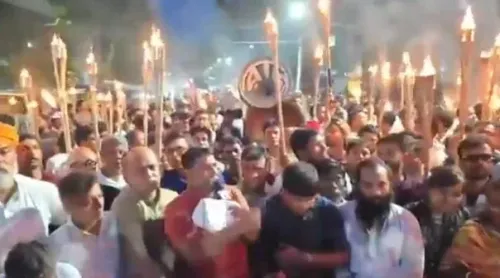
The Bangladesh Hindu Buddhist Christian Unity Council raised grave concern over communal violence and extortion targeting the Hindu minority at a central committee meeting in Dhaka on Friday .
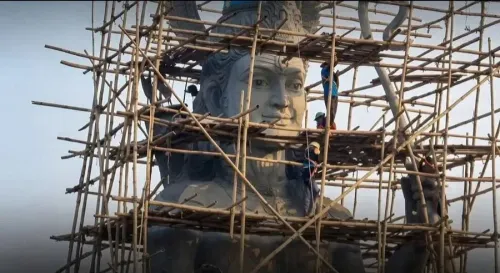
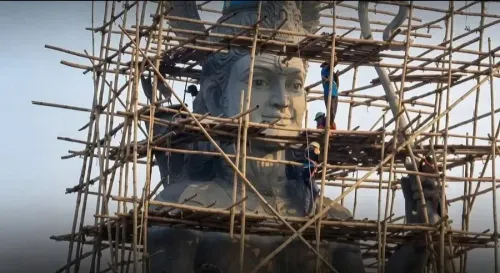
Authorities reportedly ordered the suspension of the world's largest Lord Ram statue at the Sri Sri Radha Govinda and Kali Temple in Palashbari, Gaibandha ; critics allege the move came under Islamist group pressure .
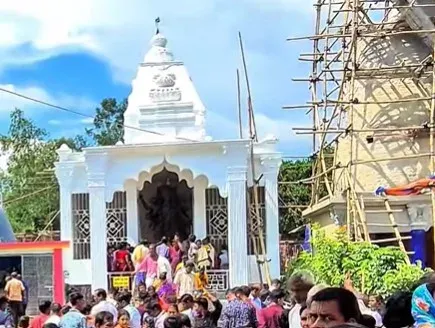
A 'vested group' has also threatened to demolish the Radha-Gobinda Temple in Gaibandha district , the council warned.
The council demanded the Bangladesh government take immediate action and award exemplary punishment to those inciting communal hatred.
Exiled author Taslima Nasreen posted on X , questioning why a single Hindu temple faces opposition in a country with several hundred thousand mosques .
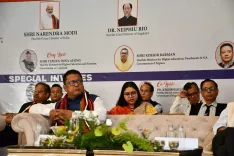
The Bangladesh Hindu Buddhist Christian Unity Council, a prominent minority rights organisation, has raised grave concern over escalating communal violence and extortion targeting the Hindu minority community across Bangladesh, warning that unchecked incidents risk fracturing the country's communal fabric. The alarm was sounded at a central committee meeting held on Friday in Dhaka.
Key Developments
At the centre of the latest flashpoint is the Sri Sri Radha Govinda and Kali Temple in Palashbari upazila of Gaibandha district, where authorities have reportedly ordered the suspension of construction of what was planned to be the world's largest statue of Lord Ram. The suspension was announced by temple advisor Shyamal Kumar Mahant at a press conference held at the temple auditorium on Thursday evening.
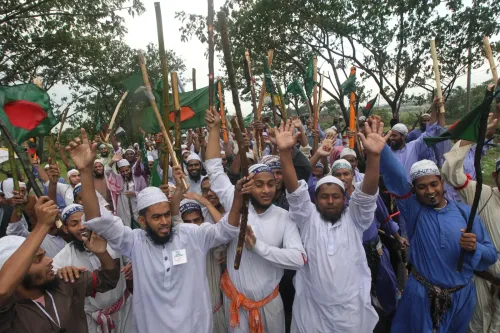
Critics allege the suspension came under pressure from Islamist groups opposed to the project. Separately, the council condemned continued threats by what it described as a 'vested group' to demolish the Radha-Gobinda Temple in Gaibandha, warning such actions could seriously undermine communal harmony nationwide.
What the Rights Body Demanded
The Unity Council's central committee meeting issued a firm call to action, urging the Bangladesh government, administration, civil society, and political leaders at both local and national levels to take immediate and effective steps to end the violence and extortion.
'The meeting further demanded that those responsible for inciting communal hatred and provocation be brought to justice and awarded exemplary punishment,' the organisation stated.
Taslima Nasreen's Criticism
Exiled Bangladeshi author and human rights activist Taslima Nasreen sharply criticised the threats and hostile rhetoric surrounding the Ram statue project. Posting on social media platform X, Nasreen questioned the selective opposition: 'There are several hundred thousand mosques in Bangladesh, and new mosques continue to be built across the country. So why is there so much opposition to the construction of a single Ram temple or a statue of Lord Rama? If religious freedom is truly for everyone, then it should apply equally to minorities, not only to the majority.'
She added: 'The threats, incitement, and hateful rhetoric directed against the Ram temple currently under construction in Palashbari, Gaibandha, are deeply concerning. No individual or group acquires the right to demolish another community's place of worship simply because they dislike it. In a state governed by the rule of law, religious disagreements are not resolved through violence or barbarism.'
Broader Context
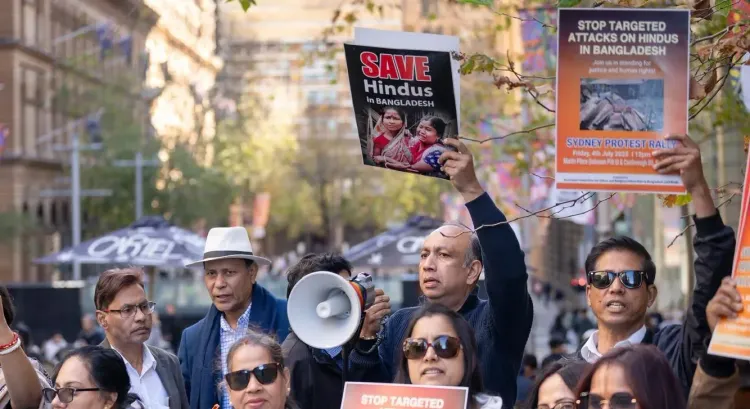
The incidents are part of a pattern of reported communal tensions in Bangladesh that have drawn recurring criticism from minority rights advocates. Hindu, Buddhist, and Christian communities have periodically flagged concerns about property seizures, temple desecrations, and mob threats — particularly in the aftermath of political transitions. This is not the first time the Unity Council has been compelled to petition the Bangladesh government over minority safety; similar appeals have been made following previous episodes of communal unrest.
With the Ram statue suspension drawing international attention and Nasreen's remarks amplifying the debate, pressure is mounting on Dhaka to demonstrate that constitutional guarantees of religious freedom extend meaningfully to minority communities. How the government responds in the coming days will be closely watched by rights groups both within Bangladesh and abroad.
Point of View
Which is a harder argument for any government to deflect. The real accountability question is whether Dhaka will treat the suspension as a law-and-order matter or quietly let it stand as a political concession.
NationPress
19 Sept 2026
Frequently Asked Questions
What is the Bangladesh Hindu Buddhist Christian Unity Council?
It is a minority human rights organisation in Bangladesh that works against religious discrimination and advocates for the rights of Hindu, Buddhist, and Christian communities. The council has repeatedly petitioned the Bangladesh government over communal violence and minority safety.
Why was the Ram statue construction suspended in Gaibandha?
Authorities reportedly ordered the suspension of the planned world's largest Lord Ram statue at the Sri Sri Radha Govinda and Kali Temple in Palashbari upazila, Gaibandha. Critics allege the suspension came under pressure from Islamist groups opposed to the project, though official reasons have not been fully detailed.
What did Taslima Nasreen say about the Ram temple controversy?
Exiled Bangladeshi author Taslima Nasreen posted on X questioning why a single Hindu temple faces opposition in a country where several hundred thousand mosques exist and new ones continue to be built. She argued that religious freedom must apply equally to minorities and that religious disagreements cannot be resolved through violence or threats.
What action has the Unity Council demanded from the Bangladesh government?
The council has urged the Bangladesh government, administration, civil society, and political leaders to take immediate and effective measures to end communal violence and extortion. It also demanded that those responsible for inciting communal hatred be brought to justice and given exemplary punishment.
Is this an isolated incident or part of a broader pattern?
According to minority rights advocates, the incidents are part of a recurring pattern of communal tensions in Bangladesh, with Hindu, Buddhist, and Christian communities periodically reporting property seizures, temple threats, and mob violence — particularly during periods of political transition.