Bangladesh rights body condemns threats to Lord Ram's idol at Gaibandha temple
Synopsis
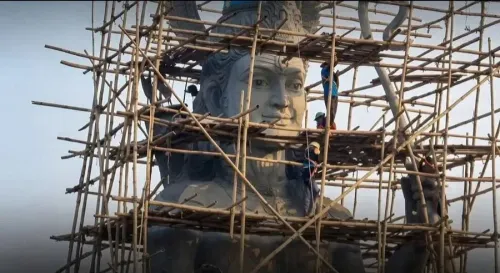
A minority rights body in Bangladesh has condemned threats and desecration targeting Lord Ram's idol at the Radha-Gobinda Temple in Gaibandha — even as construction of what was to be the world's largest Ram statue at the same complex was suspended, reportedly under pressure from Islamist groups. The dual flashpoint has raised urgent questions about the safety of religious minorities in Bangladesh.
Key Takeaways
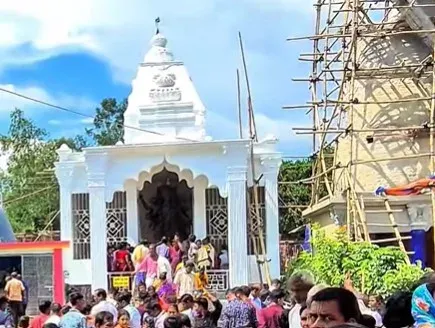
The Bangladesh Hindu Buddhist Christian Unity Council condemned the desecration of Lord Ram's image and threats to the idol at Radha-Gobinda Temple , Palashbari , Gaibandha , on 15 June 2025 .
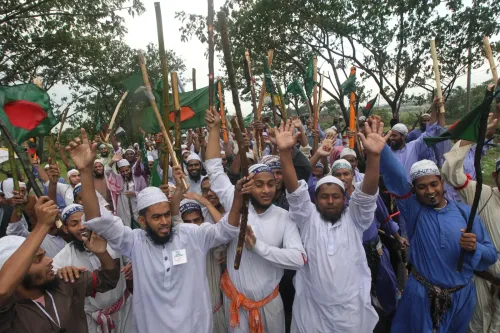
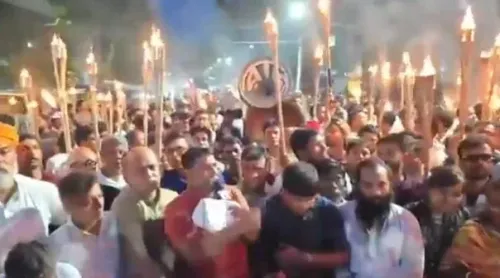
A communal group allegedly disrespected Lord Ram's image during a procession, with threats to demolish the idol reported over 'several days.' The council demanded the immediate arrest of those responsible and called on the Bangladesh government to act firmly against communal forces.
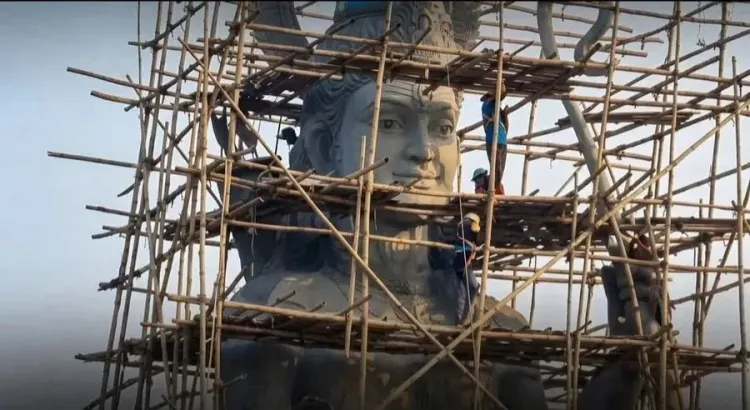
Construction of what was planned as the world's largest statue of Lord Rama at the same temple complex was suspended, reportedly under pressure from Islamist groups.
Bangladeshi newspaper editor Salah Uddin Shoaib Choudhury posted on X flagging the suspension amid 'massive protests of local jihadist and Islamist groups.'
The Bangladesh Hindu Buddhist Christian Unity Council on 15 June 2025 strongly condemned the desecration of an image of Lord Rama and threats made against the idol at the Radha-Gobinda Temple in Palashbari upazila of Gaibandha district, Bangladesh. The rights body warned that such provocations carry the potential to trigger widespread communal violence.
What Happened at Palashbari
According to the council, a communal group organised a procession during which Lord Ram's image was allegedly disrespected, hurting the religious sentiments of the Hindu community. Council members stated that 'over the past several days, a well-known communal force has been threatening to demolish and destroy the idol of Lord Sri Ramachandra in Palashbari.'
The body further noted that 'through various campaigns and tags, it has been deliberately spreading hatred against minority communities in Dhaka and across the country' — activities it described as carrying the potential to 'escalate into widespread communal violence at any moment.'
Council's Demands from the Government
The Bangladesh Hindu Buddhist Christian Unity Council called on the Bangladesh government to take 'immediate and effective measures' to curb communal forces and maintain social stability at both local and national levels. It demanded the 'immediate arrest and exemplary punishment' of those involved in the desecration and acts of religious insult.
The council also appealed to 'secular citizens, civil society organisations, and democratic political parties' to build collective resistance against what it called divisive and communal activities. The rights group emphasised that such inflammatory actions are 'undesirable and unacceptable' in a democratic and pluralistic society.
Backdrop: Suspension of World's Largest Ram Idol Project
This comes amid a separate but connected controversy. Bangladesh authorities had earlier ordered the suspension of construction of what was planned to be the world's largest statue of Lord Rama at the Sri Sri Radha Govinda and Kali Temple in Palashbari upazila, according to local media reports. Temple advisor Shyamal Kumar Mahant announced the halt at a press conference held at the temple auditorium last week.
Critics have alleged that the suspension came under pressure from Islamist groups opposed to the project. The decision has drawn sharp reactions from minority rights observers across the region.
Media and Civil Society Voices
Salah Uddin Shoaib Choudhury, editor of the Bangladeshi newspaper Blitz, expressed grave concern over the developments. In a post on X, Choudhury wrote: 'Amid massive protests of local jihadist and Islamist groups, authorities of the ongoing Sanatan Complex in Gaibandha district in Bangladesh have announced suspending all activities and stop building the idol of Lord Ram.'
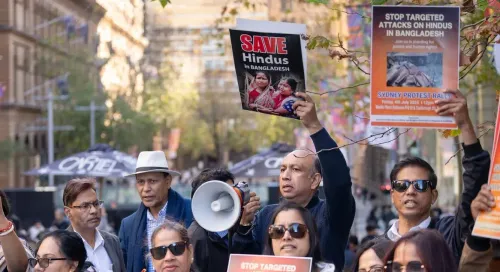
The situation in Gaibandha is being closely watched by minority rights groups across South Asia, with observers urging the Bangladesh government to act decisively to protect religious minorities and prevent further escalation.
Point of View
It signals a failure of the state's protective function well before any violence occurs. The Bangladesh government's response — or lack of one — will be watched closely by minority communities and regional observers alike.
NationPress
24 Sept 2026
Frequently Asked Questions
What happened at the Radha-Gobinda Temple in Gaibandha, Bangladesh?
A communal group allegedly desecrated an image of Lord Rama and made threats to demolish the idol at the Radha-Gobinda Temple in Palashbari upazila, Gaibandha district. The Bangladesh Hindu Buddhist Christian Unity Council condemned the incident on 15 June 2025, warning it could spark communal violence.
What has the Bangladesh Hindu Buddhist Christian Unity Council demanded?
The council demanded the immediate arrest and exemplary punishment of those responsible for the desecration and religious insult. It also called on the Bangladesh government to take firm measures against communal forces to maintain social stability and protect minority communities.
Why was the construction of the world's largest Lord Ram statue suspended in Bangladesh?
Bangladesh authorities ordered the suspension of construction of what was planned to be the world's largest statue of Lord Rama at the Sri Sri Radha Govinda and Kali Temple in Palashbari. Critics allege the halt came under pressure from Islamist groups opposed to the project, though the official reason was not detailed in available reports.
Who is Salah Uddin Shoaib Choudhury and what did he say?
Salah Uddin Shoaib Choudhury is the editor of the Bangladeshi newspaper Blitz. He posted on X expressing concern that authorities had suspended all construction activities at the Sanatan Complex in Gaibandha amid protests by what he described as 'local jihadist and Islamist groups.'
How does this incident fit the broader picture for minorities in Bangladesh?
The Gaibandha incidents are part of a wider pattern of reported pressure on Hindu minority religious sites and communities in Bangladesh. Rights groups have flagged recurring incidents of temple desecration and communal threats, calling for stronger state intervention to protect pluralism and prevent violence.