Bangladesh Hindu protests erupt over Lord Ram image desecration in Gaibandha
Synopsis
Thousands of Hindus marched through Dhaka with torches chanting 'Jai Shri Ram' after an Islamist group allegedly desecrated a portrait of Lord Ram in Gaibandha — the same district where authorities have suspended construction of what was to be the world's tallest Ram statue. The Bangladesh Hindu Buddhist Christian Unity Council has demanded immediate arrests, and protesters have vowed to take demonstrations nationwide.
Key Takeaways
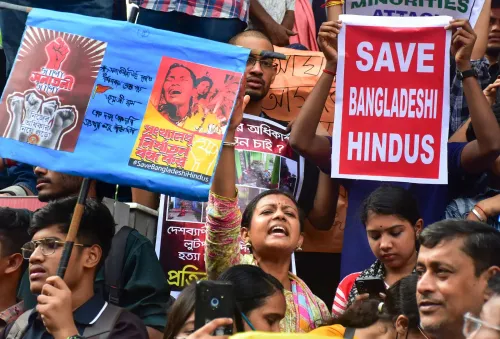
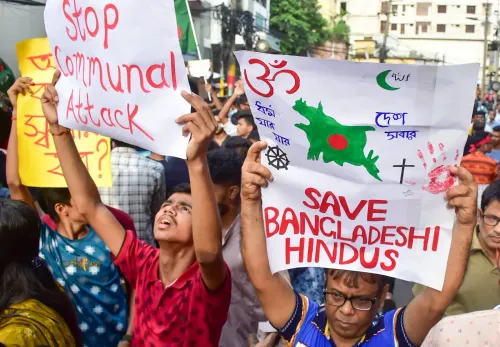
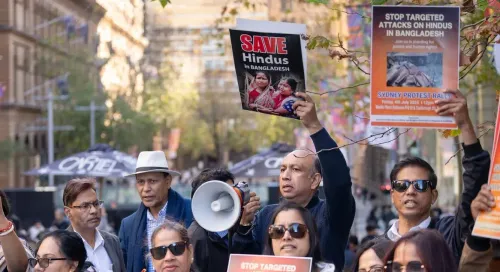
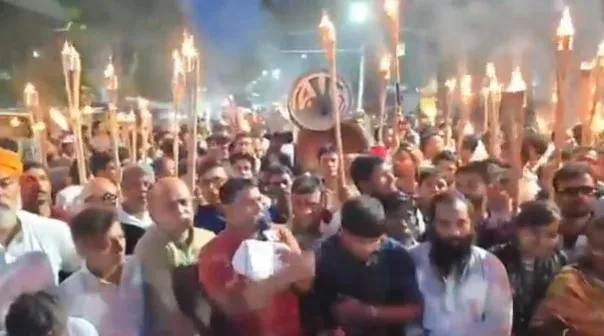
Thousands of Hindus marched in Dhaka on 20 June , carrying torches and chanting 'Jai Shri Ram' over the alleged desecration of Lord Ram's image in Gaibandha district .
An Islamist group allegedly struck a portrait of Lord Ram with shoes during a protest opposing the proposed statue at the Sri Sri Radha Govinda and Kali Temple in Palashbari upazila .
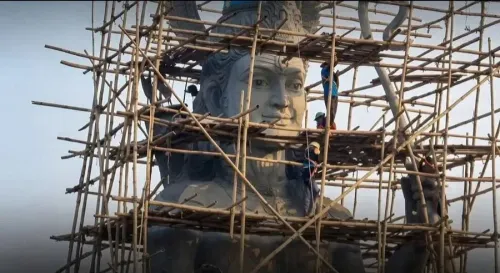
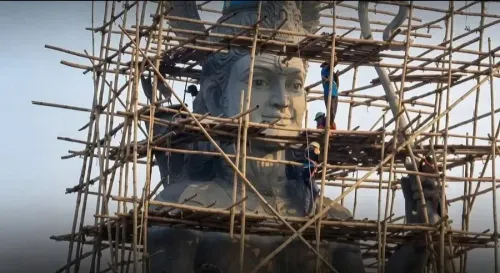
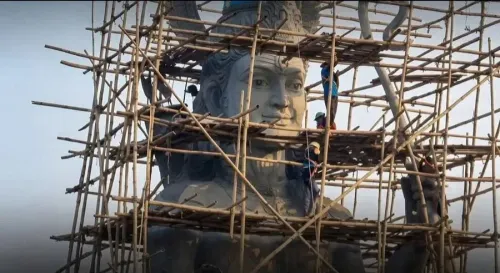
Bangladeshi authorities have suspended construction of what was projected to be the world's tallest statue of Lord Ram ; critics allege the halt came under Islamist pressure.
The Bangladesh Hindu Buddhist Christian Unity Council has demanded immediate government action and exemplary punishment for those responsible.
Dhaka University students also organised a separate torchlight procession earlier in the week to protest the incident.
Protesters have declared plans to expand demonstrations nationwide until arrests are made.
Thousands of Hindus took to the streets of Dhaka on Friday, 20 June, carrying torches and chanting 'Jai Shri Ram' in protest against the alleged desecration of an image of Lord Ram by a radical Islamist group in the Gaibandha district of Bangladesh, according to local media reports. The demonstrations follow the suspension of construction of what was to be the world's tallest statue of Lord Ram at the Sri Sri Radha Govinda and Kali Temple in Palashbari upazila, adding fresh fuel to communal tensions in the country.
What Triggered the Protests
The unrest intensified after an Islamist group allegedly desecrated a portrait of Lord Ram during a demonstration opposing the proposed statue in Gaibandha district, under the Rangpur division. Protesters allege that the image was struck with shoes — an act widely regarded as deeply offensive to the Hindu community. Earlier in the week, students from Dhaka University organised a torchlight procession and rally to condemn the incident and demand immediate arrests.
Construction Suspended Amid Pressure
Bangladeshi authorities ordered a halt to the construction of what was projected to be the world's largest statue of Lord Ram, a decision announced by temple advisor Shyamal Kumar Mahant at a press conference held at the temple auditorium. Critics allege the suspension was made under pressure from Islamist groups opposed to the project, though no official explanation citing such pressure has been confirmed. The construction remains on hold as of the time of reporting.
Voices From the Ground
Ram Prasad Saha Topu, social welfare secretary of the Jagannath Hall Students' Union, addressed protesters and described Lord Ram as one of Hinduism's most revered deities. The Daily Star, Bangladesh's leading English-language newspaper, quoted him as saying: 'Recently, one extremist group spread rumors involving Lord Ram, and then another extremist group hit the image of our revered deity with shoes. These acts have hurt the religious sentiments of the Hindu community.' He added: 'We want people of all religions and communities to live in harmony. But a certain group is trying to create division among us, and that force must be resisted.'
Salah Uddin Shoaib Choudhury, editor of the Bangladeshi newspaper Blitz, posted on social media platform X that Hindus in Bangladesh had 'for the first time vowed to fight back,' describing the torch marches as a direct response to what he called 'the recent notoriety of Islamists' against the Sanatan Complex in Gaibandha.
Institutional Response and Demands
The Bangladesh Hindu Buddhist Christian Unity Council strongly condemned both the desecration of Lord Ram's image and threats made against the idol at the Radha-Gobinda Temple in Palashbari upazila. The council called on the Bangladeshi government to take 'immediate and effective measures' to curb communal forces and demanded the arrest and exemplary punishment of those responsible. Protesters across multiple cities have similarly declared their intent to expand demonstrations nationwide until action is taken.
Broader Context
This comes amid a pattern of reported incidents targeting religious minorities in Bangladesh that have drawn condemnation from Hindu organisations both domestically and internationally. The Gaibandha episode is among the most visible flashpoints in recent months, with the combination of a stalled temple project and alleged desecration sharpening community grievances. How the Bangladeshi government responds to the Unity Council's demands is expected to determine whether the protests escalate further.
Point of View
A perception that emboldens rather than de-escalates communal actors. What is notable here is the scale of organised Hindu pushback, described by observers as unusually assertive. The Bangladeshi government now faces a credibility test: act on the Unity Council's demands with visible enforcement, or risk a cycle where desecration incidents go unpunished and protests grow larger.
NationPress
19 Sept 2026
Frequently Asked Questions
What happened to the Lord Ram statue in Gaibandha, Bangladesh?
Bangladeshi authorities ordered the suspension of construction of what was to be the world's tallest statue of Lord Ram at the Sri Sri Radha Govinda and Kali Temple in Palashbari upazila, Gaibandha district. Temple advisor Shyamal Kumar Mahant announced the halt at a press conference; critics allege it was made under pressure from Islamist groups opposed to the project.
Why are Hindus protesting in Bangladesh?
Protests erupted after an Islamist group allegedly desecrated a portrait of Lord Ram — reportedly striking the image with shoes — during a demonstration against the proposed statue in Gaibandha. The act is widely regarded as deeply offensive to the Hindu community, prompting torch marches in Dhaka and other cities.
What has the Bangladesh Hindu Buddhist Christian Unity Council demanded?
The council strongly condemned the desecration and threats against the idol at the Radha-Gobinda Temple in Palashbari upazila, calling on the Bangladeshi government to take immediate and effective measures against communal forces. It demanded the arrest and exemplary punishment of all those involved in the desecration.
Who is Ram Prasad Saha Topu and what did he say?
Ram Prasad Saha Topu is the social welfare secretary of the Jagannath Hall Students' Union at Dhaka University. He addressed protesters and, as quoted by The Daily Star, condemned the alleged desecration, calling for communal harmony while urging resistance against groups 'trying to create division.'
How widespread are the protests in Bangladesh?
Demonstrations have been reported in Dhaka, including a torchlight procession by Dhaka University students and a larger torch march by thousands of Hindus on 20 June. Protesters have declared their intent to expand the movement nationwide until those responsible are arrested and punished.