India urges Bangladesh to curb extremists, protect Hindu minorities
Synopsis
India publicly called on Bangladesh to rein in extremists and protect Hindus — unusually direct language from New Delhi — after radical groups allegedly desecrated images of Lord Ram and forced a halt to the construction of what would have been Bangladesh's tallest Ram statue. Thousands of Hindus have since marched through Dhaka with torches, vowing to fight back.
Key Takeaways
India's MEA spokesperson Randhir Jaiswal on 23 June called on Bangladesh to 'curb extremists' and 'guarantee the safety of the minority community.' Protests erupted across Bangladesh after radical Islamist groups allegedly desecrated an image of Lord Ram during demonstrations in Gaibandha district .
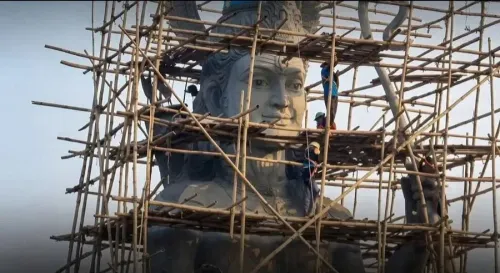
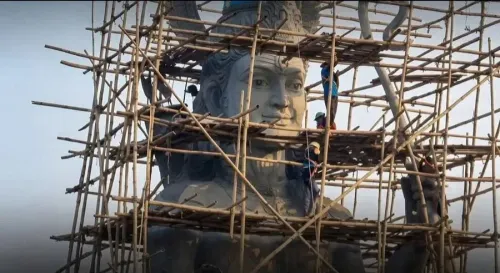
Bangladeshi authorities suspended construction of a Lord Ram statue at the Sri Sri Radha Govinda and Kali Temple in Palashbari upazila ; the suspension was announced on 11 June .
Critics allege the construction halt came under pressure from Islamist groups opposed to the project.
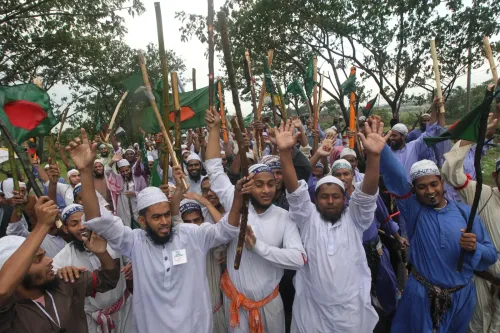
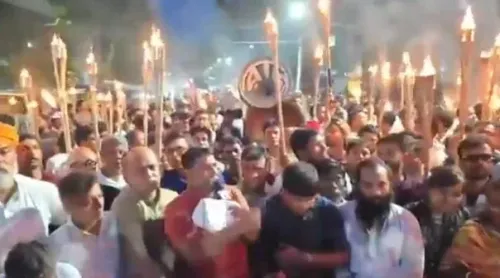
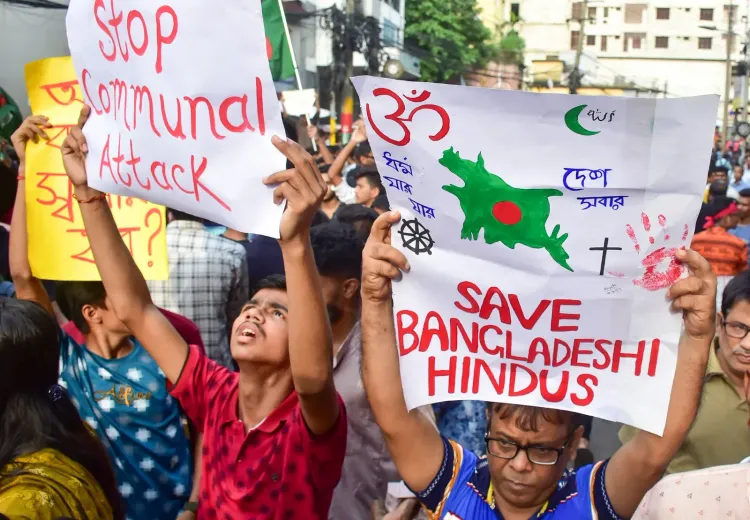
Thousands of Hindus marched through Dhaka last week carrying torches and chanting 'Jai Shri Ram', vowing to spread protests nationwide.
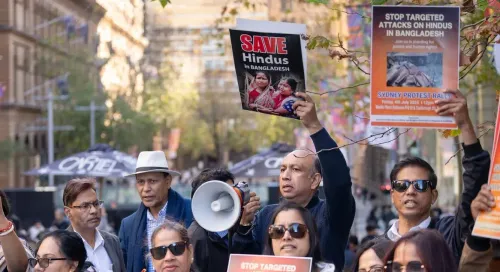
India on Tuesday, 23 June called on the Bangladesh government to take firm action against extremist elements and safeguard the country's Hindu minority community, following reports of desecration of Hindu deities and their images that have triggered widespread protests across Bangladesh.
What India Said
Ministry of External Affairs (MEA) spokesperson Randhir Jaiswal, speaking at a weekly media briefing in New Delhi, stated: 'We have seen reports from Bangladesh regarding acts of desecration involving Hindu deities and their images, which have sparked protests. We expect the Bangladeshi government to curb the extremists there and guarantee the safety of the minority community.'
The statement marks one of the more direct public expressions of concern from New Delhi regarding the treatment of religious minorities in its eastern neighbour, and comes at a time of already strained bilateral relations.
The Trigger: Gaibandha Statue Row
The protests were set off by the alleged desecration of an image of Lord Ram by radical Islamist groups during a demonstration opposing the construction of what was proposed to be the tallest statue of the deity in the Gaibandha district of Bangladesh, according to local media reports.
Bangladeshi authorities had ordered a suspension of the construction of the Lord Ram statue at the Sri Sri Radha Govinda and Kali Temple in Palashbari upazila of Gaibandha district. Temple advisor Shyamal Kumar Mahant announced the suspension during a press conference at the temple auditorium on 11 June. Critics allege the halt came under pressure from Islamist groups opposed to the project.
Hindu Community Takes to the Streets
With construction on hold, thousands of Hindus marched through Dhaka last week carrying torches and chanting 'Jai Shri Ram', demanding action against those reportedly responsible for the desecration. Organisers declared their intent to spread the protests nationwide.
Salah Uddin Shoaib Choudhury, Editor of Bangladeshi newspaper Blitz, posted on X: 'Hindus in Bangladesh roar against Islamists by chanting the Jay Shri Ram slogan! Thousands of Hindus in Bangladesh went into the streets holding torches and chanting the Jay Shri Ram slogan against the recent notoriety of Islamists against the Sanatan Complex in the Gaibandha district under the Rangpur division as well as disrespecting the portraits of Lord Ram. They have declared spreading such protest throughout the country and for the first time vowed to fight back.'
Broader Context and What Comes Next
This is not the first time India has raised concerns over minority safety in Bangladesh. Incidents of communal tension targeting Hindus have drawn periodic diplomatic responses from New Delhi, but Tuesday's statement is notably pointed in its language, explicitly naming 'extremists' and demanding guarantees. Notably, the episode follows a pattern of disputes over religious construction projects becoming flashpoints in a country where Hindus constitute roughly 8% of the population, according to census data.
Whether Dhaka moves to resume construction of the statue or takes visible action against those responsible for the alleged desecration will be closely watched as a signal of how the Bangladesh government intends to manage both domestic Islamist pressure and its relationship with New Delhi.
Point of View
Yet stopping short of a formal diplomatic protest. The Bangladesh government faces a genuine bind: acting against Islamist groups risks political backlash at home, while inaction strains ties with its most important neighbour. What is often missed in coverage of such incidents is the structural vulnerability of Bangladesh's Hindu minority — roughly 8% of the population — who have limited institutional recourse when communal tensions flare. The statue row is a symptom; the deeper question is whether Dhaka has the political will to enforce minority protections against organised religious opposition.
NationPress
22 Sept 2026
Frequently Asked Questions
Why did India issue a statement on Bangladesh's Hindu minority?
India issued the statement on 23 June after reports emerged of the desecration of Hindu deity images by radical Islamist groups in Bangladesh, which triggered widespread protests. The MEA publicly called on Dhaka to act against extremists and ensure minority safety.
What is the Gaibandha Lord Ram statue controversy?
Bangladeshi authorities ordered a suspension of construction of a Lord Ram statue at the Sri Sri Radha Govinda and Kali Temple in Palashbari upazila, Gaibandha district. Critics allege the halt was made under pressure from Islamist groups opposed to the project, and the suspension was announced by temple advisor Shyamal Kumar Mahant on 11 June.
How have Hindus in Bangladesh responded to the desecration?
Thousands of Hindus marched through Dhaka last week carrying torches and chanting 'Jai Shri Ram', demanding accountability for those responsible. Organisers have declared their intent to expand the protests across Bangladesh and, according to reports, have vowed to 'fight back' for the first time.
What did India's MEA spokesperson say exactly?
MEA spokesperson Randhir Jaiswal said at a weekly briefing: 'We have seen reports from Bangladesh regarding acts of desecration involving Hindu deities and their images, which have sparked protests. We expect the Bangladeshi government to curb the extremists there and guarantee the safety of the minority community.'
What happens next in the India-Bangladesh minority row?
Whether Bangladesh resumes construction of the Ram statue or takes action against those responsible for the alleged desecration will be a key indicator of how Dhaka balances domestic Islamist pressure against its bilateral relationship with New Delhi. The situation remains fluid and protests are reportedly set to continue.