Shiv Sena (UBT) rejects merger with Shinde faction, warns 6 defected MPs
Synopsis
Shiv Sena (UBT) has fired a constitutional warning shot at six of its own defected MPs, invoking the Tenth Schedule to block any merger claim before the Lok Sabha Speaker. With Uddhav Thackeray's authorisation on record and the Speaker yet to rule, this is the sharpest formal escalation yet in the two-Sena parliamentary battle.
Key Takeaways
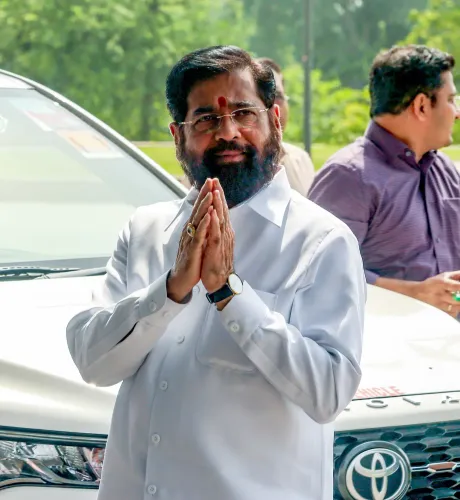
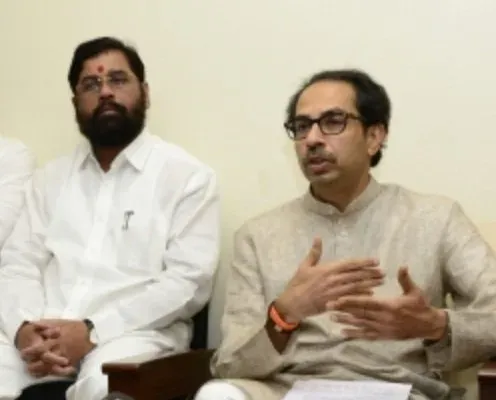
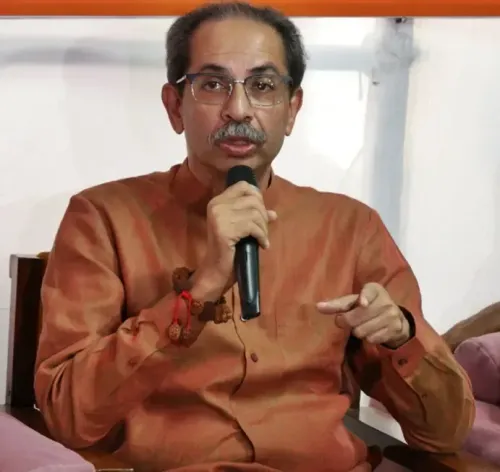
Shiv Sena (UBT) has officially rejected any merger with the Eknath Shinde -led Shiv Sena, as affirmed by party president Uddhav Balasaheb Thackeray .
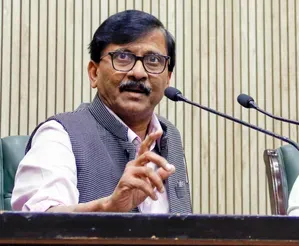
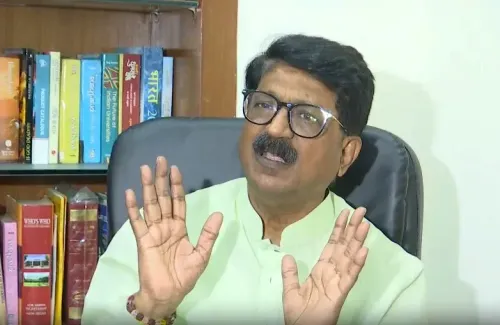
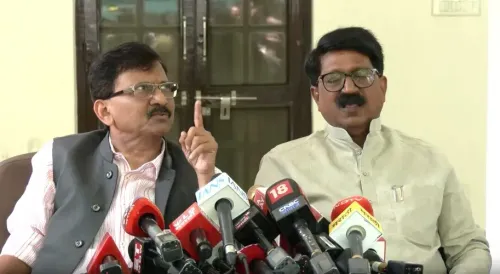
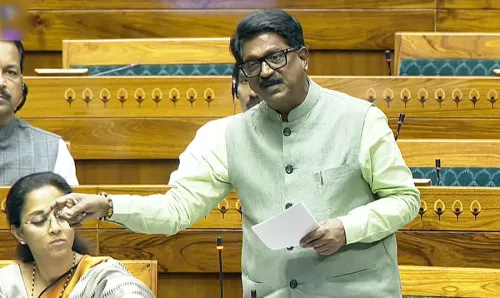
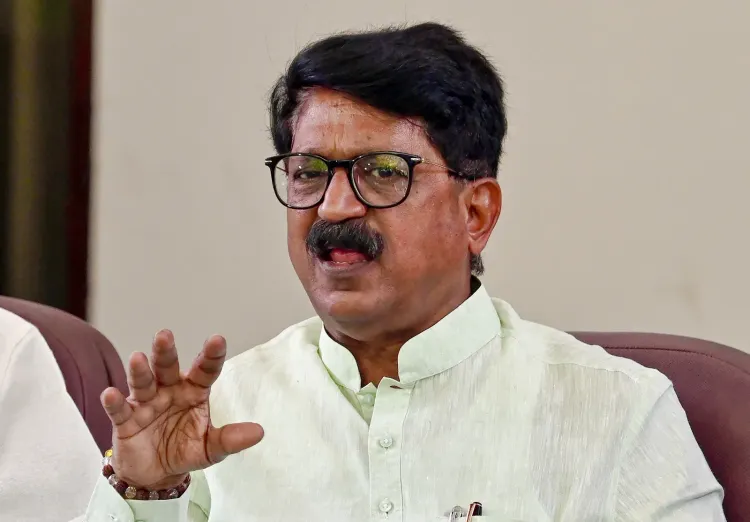
Parliamentary Party leader Arvind Ganpat Sawant issued a formal notice on 14 July to six defected MPs: Omprakash Raje Nimbalkar , Sanjay Dina Patil , Sanjay Jadhav , Nagesh Ashtikar , Sanjay Deshmukh , and Bhausaheb Waghchaure .
The notice invokes Paragraph 4 of the Tenth Schedule , which bars individual legislators from independently effecting a party merger.
Reports indicate the six MPs had approached the Lok Sabha Speaker seeking recognition of a merger — a claim the UBT has formally contested.
The Speaker has not yet passed any order on the merger claims; the party's representations remain on record.
Shiv Sena (Uddhav Balasaheb Thackeray) has categorically ruled out any merger with the Eknath Shinde-led Shiv Sena, with the party's Lok Sabha Parliamentary Party leader Arvind Ganpat Sawant issuing a formal written warning to six MPs who had defected to the Shinde camp. The letter, dated 14 July, also warns against any unsanctioned moves by party legislators and has been forwarded to the Lok Sabha Speaker to place on official record.
The Six MPs Named in the Notice
The formal communication was addressed to Omprakash Raje Nimbalkar, Sanjay Dina Patil, Sanjay Jadhav, Nagesh Ashtikar, Sanjay Deshmukh, and Bhausaheb Waghchaure. All six were elected in the 2024 Lok Sabha elections on the ticket, symbol, mandate, and support of the Shiv Sena (UBT) — in contests fought directly against candidates fielded by the Shinde faction.
What Prompted the Warning
The notice was triggered by public reports suggesting that Nimbalkar, along with the other five MPs, was attempting to portray a 'merger' between the two Sena factions and had approached the Lok Sabha Speaker seeking official recognition for the same. Sawant moved swiftly to counter the narrative, stating in the letter that the original Shiv Sena (UBT) 'has neither initiated, agreed to, nor permitted any merger' with Shinde's Shiv Sena or any other political entity — a position officially affirmed by party president Uddhav Balasaheb Thackeray.
The Constitutional Argument
Sawant's letter leans heavily on constitutional law, specifically Paragraph 4 of the Tenth Schedule of the Constitution of India. Under this provision, individual legislators do not hold the legal authority to independently bring about or effect a merger of a political party. They may only accept or reject a merger initiated by the original parent party. Sawant wrote: 'In the absence of any merger of the original political party, no question of any merger of the legislature party arises. Further, no such merger is permissible or contemplated in law.'
Speaker's Position and Party's Representations
The Shiv Sena (UBT) has already filed representations with the Lok Sabha Speaker, requesting that no demands for a merger or separate group recognition from MPs elected on the UBT symbol be entertained. According to the letter, the Speaker recently granted a hearing to an authorised representative of the Shiv Sena (UBT). As of the date of the letter, the Speaker has not passed any order recognising any claims of a merger.
What Happens Next
This development adds a fresh legal and parliamentary dimension to the long-running split within the Sena, which has already been contested before the Election Commission of India and the Supreme Court. With the Speaker yet to rule on the merger claims, the political and constitutional battle between the two factions is far from over. Any formal recognition of a legislature party merger — or its rejection — could have significant implications for the six MPs' parliamentary standing.
Point of View
Their position as a unified legislature group remains contested. The Speaker's inaction so far is itself a signal. Uddhav Thackeray, having already fought and partly lost the party-symbol battle before the Election Commission, is now using parliamentary procedure as the next line of defence — and on this terrain, the law is more clearly on his side.
NationPress
14 Jul 2026
Frequently Asked Questions
Why has Shiv Sena (UBT) issued a notice to six of its MPs?
Shiv Sena (UBT) issued the notice because the six MPs — elected on the party's 2024 Lok Sabha ticket — reportedly approached the Lok Sabha Speaker seeking recognition of a merger with the Eknath Shinde-led Shiv Sena. The party's parliamentary leader Arvind Ganpat Sawant formally warned them that no such merger has been authorised by the party or its president Uddhav Thackeray.
Can individual MPs legally merge a political party under Indian law?
No. Under Paragraph 4 of the Tenth Schedule of the Constitution of India, individual legislators do not have the authority to independently bring about a merger of a political party. They can only accept or reject a merger initiated by the original parent party.
Has the Lok Sabha Speaker ruled on the merger claim?
As of 14 July, the Lok Sabha Speaker has not passed any order recognising the merger claims. The Speaker did grant a hearing to an authorised representative of the Shiv Sena (UBT), which has filed representations opposing any recognition of a merger or separate group.
Who are the six MPs named in the Shiv Sena (UBT) notice?
The six MPs are Omprakash Raje Nimbalkar, Sanjay Dina Patil, Sanjay Jadhav, Nagesh Ashtikar, Sanjay Deshmukh, and Bhausaheb Waghchaure — all elected in the 2024 Lok Sabha elections on the Shiv Sena (UBT) symbol.
What is the broader context of this Shiv Sena split?
The Shiv Sena split dates to 2022, when Eknath Shinde led a rebellion that brought down the Uddhav Thackeray-led Maharashtra government. The two factions have since contested the original party name and symbol before the Election Commission and the Supreme Court. This latest dispute opens a new parliamentary front in that ongoing battle.