Shiv Sena(UBT) petitions Lok Sabha Speaker to block fresh split bid
Synopsis
Shiv Sena (UBT) has gone to the Lok Sabha Speaker with a pre-emptive legal strike, invoking the Anti-Defection Law and a 2023 Supreme Court ruling to shut down a reported bid to split its nine-MP parliamentary group. With up to seven MPs allegedly in play and ₹15 crore defection offers claimed, the Thackeray camp is fighting to survive in Parliament.
Key Takeaways
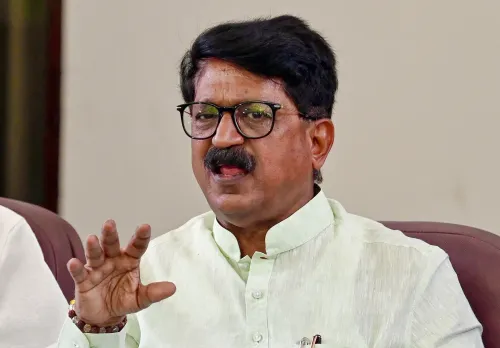
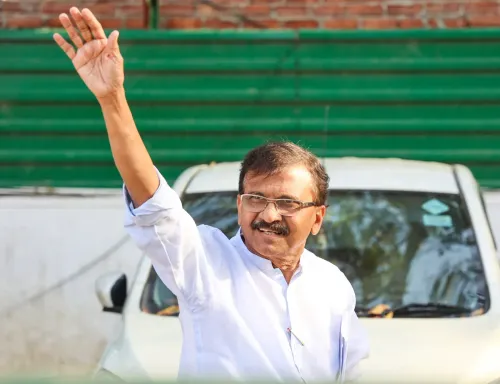
Arvind Sawant , Shiv Sena (UBT)'s Lok Sabha leader, filed a four-page petition before Speaker Om Birla on 16 June .
The petition seeks to block any split or merger attempt by dissident UBT MPs, amid reports dubbed 'Operation Tiger' .
Up to seven of the party's nine Lok Sabha MPs are reportedly considering aligning with the Eknath Shinde faction.
Sawant cited the Constitution (Ninety-first Amendment) Act, 2003 and the Supreme Court's Subhash Desai (2023) ruling to argue any standalone split triggers immediate disqualification.
Senior MP Sanjay Raut has alleged that defecting MPs were offered up to ₹15 crore each — a charge the Shinde camp denies.
The Speaker's office has not yet publicly responded to the petition.
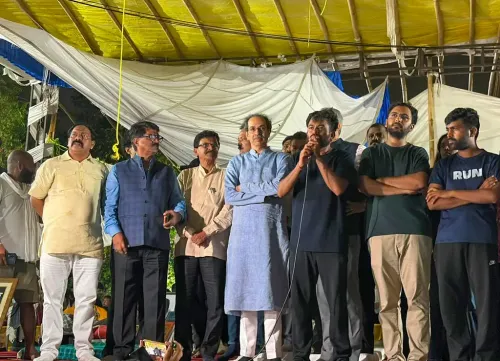
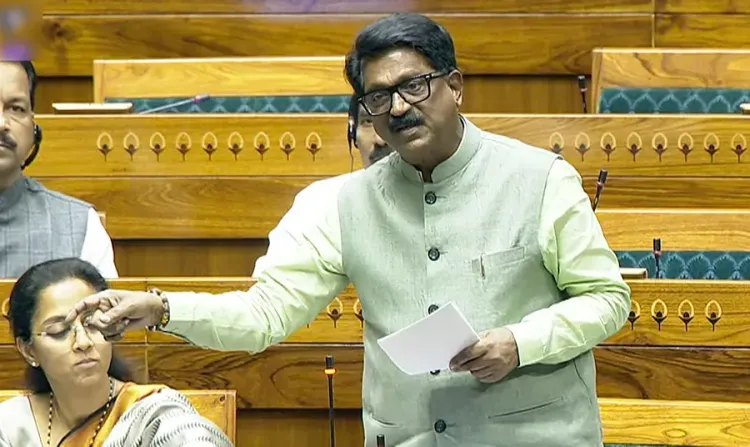
Shiv Sena (Uddhav Balasaheb Thackeray) leader in the Lok Sabha, Arvind Sawant, has filed a formal petition before Speaker Om Birla seeking his intervention to prevent any attempt by dissident party MPs to engineer a fresh split or merger in the Lower House. The four-page letter, dated 16 June, was submitted amid swirling media reports about what has been dubbed 'Operation Tiger' — an alleged backroom effort to peel away as many as seven of the party's nine Lok Sabha MPs toward the rival Eknath Shinde-led faction or other political forces.
What Sawant's Petition Demands
Sawant explicitly flagged the reported backroom manoeuvres in his letter. 'There are reports appearing in the media that certain Members of Parliament elected on the symbol of the Shiv Sena (Uddhav Balasaheb Thackeray) have either approached, or are contemplating approaching, your office seeking recognition as a separate group or a merger with another political party within the Lok Sabha,' he wrote.
The petition requests the Speaker to formally record the representation, refuse any separate recognition, status, privilege, or facility to any purported breakaway faction, and ensure that no decision is taken on any such request without first granting the principal Shiv Sena (UBT) leadership a fair hearing.
The Constitutional Argument
A substantial portion of Sawant's petition is anchored in constitutional law and judicial precedent. He noted that following the deletion of Paragraph 3 of the Tenth Schedule via the Constitution (Ninety-first Amendment) Act, 2003, the law no longer recognises splinter groups within a legislature as a defence against disqualification — effectively closing the 'split' escape route.
Citing the landmark Supreme Court judgment in 'Subhash Desai vs. Principal Secretary, Governor of Maharashtra and Ors.' (2023), Sawant argued that the power to appoint a whip, a leader, or issue binding directives flows exclusively from the parent political party, not the legislative group.
On the frequently cited two-thirds threshold, Sawant clarified that Paragraph 4 of the Tenth Schedule requires two conditions to be met conjunctively: a merger of the original political party itself, and the support of at least two-thirds of the legislative members. 'Without an actual merger of the organisational Shiv Sena (UBT), any standalone action by the MPs would constitute a voluntary relinquishment of membership, triggering immediate disqualification under Paragraph 2 of the Anti-Defection Law,' he stated.
Why Tensions Are Running High
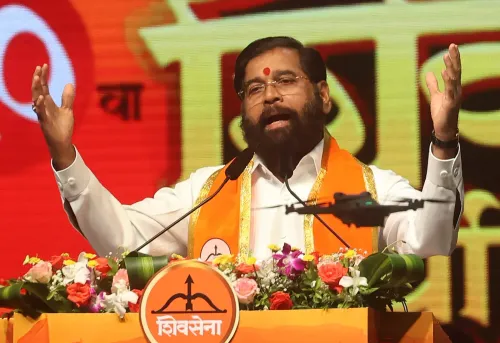
The petition arrives at a politically charged moment. Multiple UBT MPs reportedly arrived in New Delhi simultaneously with Deputy Chief Minister and Shiv Sena chief Eknath Shinde, intensifying speculation about coordinated defection moves. Senior UBT MP Sanjay Raut has alleged that opposition lawmakers were being offered sums of up to ₹15 crore each to switch sides — a charge the Shinde faction has publicly dismissed.
The Shinde Camp's Response and What Comes Next
The Shinde faction has denied engineering any defections, but the filing of Sawant's comprehensive legal letter signals that the Thackeray camp is preparing for a full-scale constitutional battle to protect its parliamentary presence. The Speaker's office has not publicly responded to the petition as yet.
The episode is the latest chapter in the ongoing fragmentation of the original Shiv Sena, which formally split in 2022 when Shinde led a rebellion that toppled the Maha Vikas Aghadi government. The Election Commission of India (ECI) subsequently awarded the party name and symbol to the Shinde faction. With the Thackeray group's parliamentary numbers already thin, any further erosion would sharply diminish its leverage in the Lower House.
Point of View
While sound, depends entirely on the Speaker's willingness to act swiftly and impartially, a standard that has been uneven in past defection cases. The real vulnerability for Shiv Sena (UBT) is numerical: with only nine MPs, it cannot afford to lose even two without slipping below the threshold for a recognised parliamentary group. What looks like a legal battle is, at its core, a race against political arithmetic.
NationPress
16 Sept 2026
Frequently Asked Questions
Why did Shiv Sena (UBT) petition the Lok Sabha Speaker?
Shiv Sena (UBT) leader Arvind Sawant petitioned Speaker Om Birla on 16 June to pre-empt a reported attempt by dissident party MPs to split the parliamentary group or merge with a rival faction. The petition cites the Anti-Defection Law and a 2023 Supreme Court ruling to argue such a move would lead to immediate disqualification.
What is 'Operation Tiger' in the context of Shiv Sena (UBT)?
'Operation Tiger' is the name given in media reports to an alleged backroom effort to persuade up to seven of Shiv Sena (UBT)'s nine Lok Sabha MPs to defect to the Eknath Shinde-led Shiv Sena faction or other political forces. The Shinde camp has publicly denied engineering any such defections.
Can Shiv Sena (UBT) MPs legally split and avoid disqualification?
Under the current Anti-Defection Law, a split is no longer a valid defence against disqualification. The Constitution (Ninety-first Amendment) Act, 2003 deleted Paragraph 3 of the Tenth Schedule, which previously protected splinter groups. A merger requires both the original party to merge and at least two-thirds of legislative members to support it — conditions that cannot be met by MPs acting alone.
What has Sanjay Raut alleged about the defection bids?
Senior Shiv Sena (UBT) MP Sanjay Raut has alleged that opposition lawmakers were being offered up to ₹15 crore each to switch sides. The Shinde faction has dismissed these allegations.
What happens next after the petition to the Speaker?
The Lok Sabha Speaker's office has not publicly responded to the petition as yet. If any UBT MP approaches the Speaker seeking separate recognition or merger, Sawant's petition requests that the Shiv Sena (UBT) leadership be given a fair hearing before any decision is made.