Eknath Shinde vows more defections as Operation Tiger 2.0 looms in Maharashtra
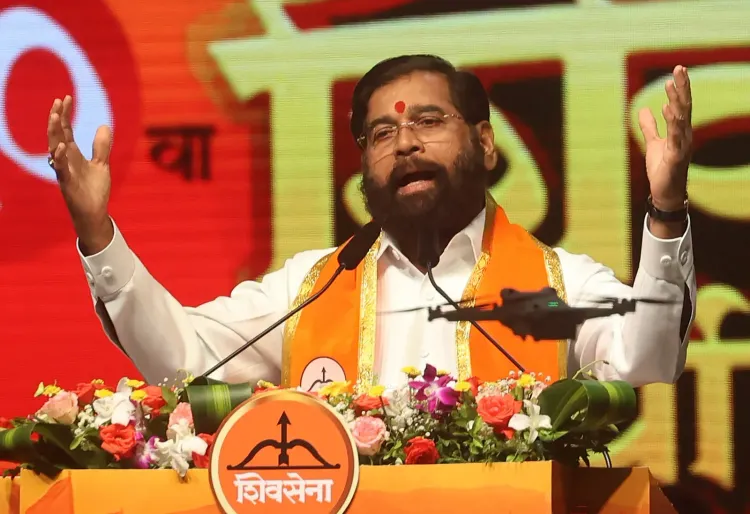
Synopsis
Eknath Shinde's 'picture abhi baki hai' warning is not just political theatre — it is a calculated move to freeze the UBT camp, assert dominance within the Mahayuti coalition, and reframe mass defections as an inevitable realignment. But with patronage queues growing and voter fatigue a real risk, Operation Tiger 2.0 could cut both ways.
Key Takeaways
Eknath Shinde declared on 13 July that Operation Tiger is ongoing, warning of more political crossovers ahead.
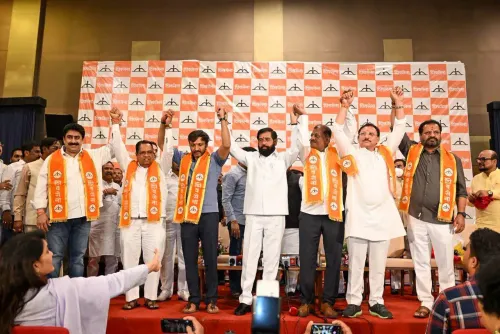
Six of nine Shiv Sena (UBT) Lok Sabha MPs have already defected to the Shinde camp, clearing the two-thirds anti-defection threshold under the Tenth Schedule .
The threat of Operation Tiger 2.0 is aimed at UBT MLAs and municipal corporators in Mumbai , Thane , and the Marathwada belt.
Within the Mahayuti alliance, the ongoing operation reinforces Shinde's leverage against BJP and CM Devendra Fadnavis in seat-sharing talks.
Political observers warn that prolonged defection politics risks internal rebellion among 2022 loyalists and could trigger grassroots voter backlash.
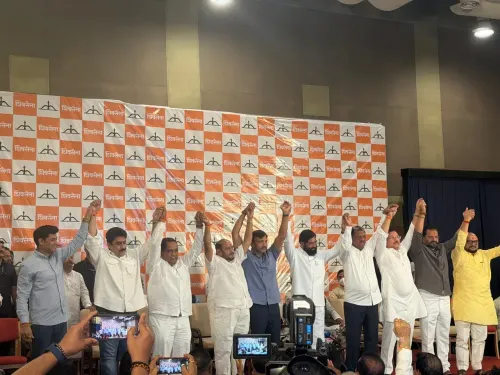
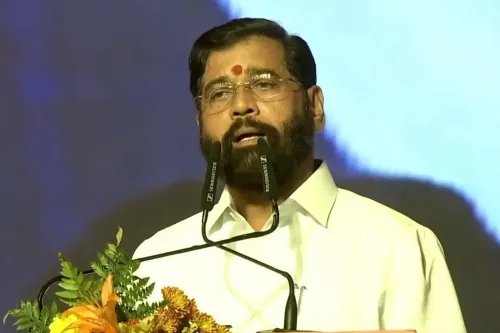
Maharashtra Deputy Chief Minister and Shiv Sena chief Eknath Shinde has signalled that his campaign to consolidate the party's legacy — dubbed Operation Tiger — is far from over, warning that 'picture abhi baki hai' (the movie is not over) and that more political crossovers are imminent. The declaration, made on 13 July, marks a sharper, more aggressive phase in the ongoing battle for the mantle of the late Balasaheb Thackeray and deepens the fault lines within Maharashtra's fractured political landscape.
Operation Tiger: What Has Happened So Far
The Shinde camp has already engineered the defection of six out of nine Lok Sabha MPs from the rival Shiv Sena (UBT) faction led by Uddhav Thackeray. That number is politically significant: it clears the two-thirds threshold required under the Tenth Schedule of the Constitution to avoid anti-defection penalties, giving the crossovers a degree of legal insulation. By invoking the Bollywood phrase in public, Shinde is deliberately amplifying psychological pressure on the remaining UBT cadre — signalling that the defection pipeline remains open and active.
The Strategic Logic Behind the Threat
Political analysts note that keeping the spectre of Operation Tiger 2.0 alive serves a dual purpose. Externally, it prevents the UBT camp from stabilising or mounting effective counter-strategies. Internally, within the ruling Mahayuti alliance — which also includes Chief Minister Devendra Fadnavis and the Bharatiya Janata Party (BJP) — it reinforces Shinde's position as an indispensable electoral force during complex seat-sharing negotiations.
The Shinde faction is reportedly signalling to remaining UBT MLAs and municipal corporators — particularly in Mumbai, Thane, and the Marathwada belt — that the doors for crossover remain open. This creates a sense of political isolation among those who stay back and challenges the emotional sympathy wave that the UBT camp has relied on since the 2022 split. By framing the realignment as organic and expanding rather than a one-time act of mutiny, Shinde's faction seeks to project itself as the natural, stable home for regional party workers.
Structural Risks of a Prolonged Operation
Political observers, however, caution that an elongated Operation Tiger carries distinct vulnerabilities. A party can absorb only a finite number of incoming leaders before it runs short of institutional rewards — cabinet berths, party tickets, and state corporation chairmanships. Shinde's original 2022 loyalists, who have waited in line for patronage, could turn restive if new entrants are favoured over them.
There is also the risk of voter fatigue. Observers note that while elite-level defections generate headlines, a prolonged spectacle of leaders switching sides can breed cynicism at the grassroots. If the dominant narrative shifts from 'protecting Balasaheb's legacy' to 'unending political engineering,' it could quietly consolidate opposition sentiment at the ballot box — particularly among voters who make their choice in the privacy of the voting booth.
What Comes Next
Shinde's public assertion that the 'picture is still rolling' reflects his reading that political momentum is currently on his side. Yet analysts argue that the true test will not be measured in the number of leaders who cross over in Delhi or Mumbai, but in whether this institutional migration can be converted into a transferable, organic vote bank at the grassroots level. The credits, as political observers put it, have not rolled yet.
Point of View
Demonstrated capacity to dismantle the opposition is a bargaining chip. Yet the strategy has a ceiling: institutional rewards are finite, and the 2022 loyalists who delivered the original rebellion are watching how many new entrants jump the queue. More critically, Maharashtra's electorate has seen this film before. If the defection narrative outlasts its novelty, the sympathy vote that Shinde is trying to neutralise may quietly harden into something the ballot box reveals only after the credits roll.
NationPress
12 Oct 2026
Frequently Asked Questions
What is Operation Tiger in Maharashtra politics?
Operation Tiger is the name given to Eknath Shinde's campaign to engineer defections from the rival Shiv Sena (UBT) faction led by Uddhav Thackeray. So far, six of nine UBT Lok Sabha MPs have crossed over to the Shinde camp, clearing the two-thirds threshold needed to avoid anti-defection penalties under the Tenth Schedule of the Constitution.
What did Eknath Shinde mean by 'picture abhi baki hai'?
Shinde used the popular Bollywood phrase — meaning 'the movie is not over' — to signal that Operation Tiger has not concluded and more defections from the UBT camp are expected. The statement is widely read as both a psychological warning to remaining UBT leaders and a show of strength within the Mahayuti ruling alliance.
Which regions are being targeted in Operation Tiger 2.0?
According to political observers, the Shinde faction is signalling to UBT MLAs and municipal corporators in Mumbai, Thane, and the Marathwada belt that the doors for crossover remain open, aiming to create a sense of political isolation among those who stay with the UBT camp.
What are the risks of prolonging Operation Tiger?
Political observers caution that an extended defection drive could exhaust the supply of institutional rewards — cabinet posts, party tickets, and corporation chairs — triggering resentment among Shinde's original 2022 loyalists. A prolonged spectacle of leaders switching sides also risks voter fatigue and could quietly consolidate anti-establishment sentiment at the grassroots level.
How does Operation Tiger affect the Mahayuti alliance?
By continuously demonstrating the ability to pull in opposition leaders, Shinde strengthens his bargaining position in seat-sharing negotiations within the Mahayuti coalition, which also includes Chief Minister Devendra Fadnavis and the BJP. The operation helps him assert parity with the BJP's organisational strength ahead of future elections.