Six UBT MPs join Shinde's Shiv Sena in 'Operation Tiger' split
Synopsis
In a meticulously planned move branded 'Operation Tiger,' six of Uddhav Thackeray's nine Lok Sabha MPs defected to Eknath Shinde's Shiv Sena on 22 June, exploiting the anti-defection law's two-thirds threshold to switch sides without disqualification. UBT is now down to three MPs in Parliament — a collapse that could define the faction's viability heading into the next electoral cycle.
Key Takeaways
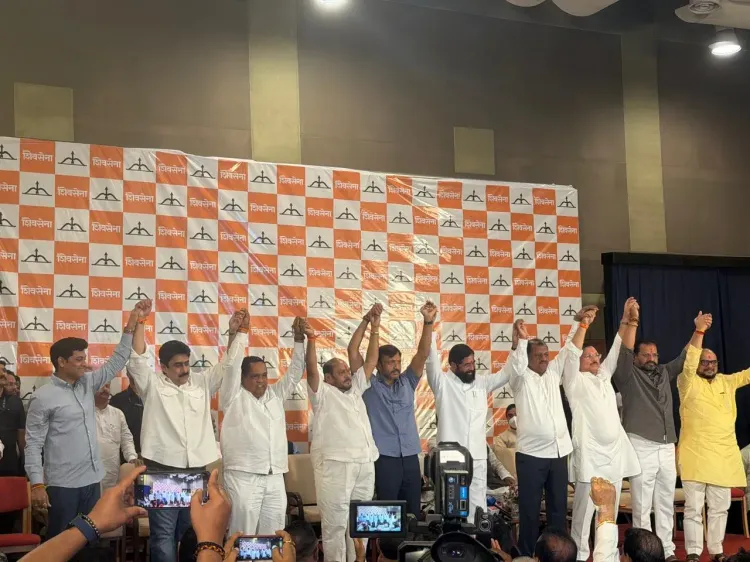
Six UBT Lok Sabha MPs formally joined the Eknath Shinde -led Shiv Sena on 22 June in a move called 'Operation Tiger' .
UBT's Lok Sabha strength drops from nine to three ; Shinde's tally rises from seven to thirteen .
The rebels wrote to Lok Sabha Speaker Om Birla seeking recognition as a separate group, meeting the anti-defection law's two-thirds threshold.
Defectors cited loss of state development funding and strained relations with senior UBT leaders including Sanjay Raut .
Omraje Nimbalkar's switch was linked to an assurance from Union Home Minister Amit Shah that the CBI would appeal a murder acquittal involving his father's case.
Uddhav Thackeray launched a damage-control tour of rebels' constituencies in Yavatmal , Washim , and Hingoli .
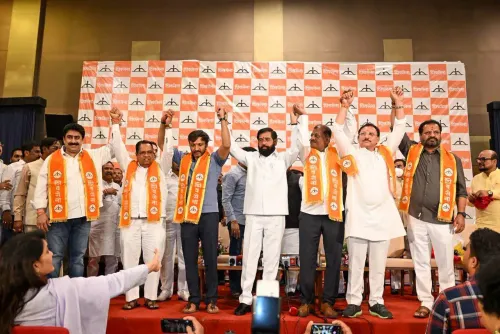
Six Lok Sabha MPs from Uddhav Thackeray's Shiv Sena (UBT) formally defected to the Eknath Shinde-led Shiv Sena on Monday, 22 June, in a move the Shinde camp dubbed 'Operation Tiger' — a calculated split that reshapes Maharashtra's parliamentary arithmetic and deepens the fracture within the original Shiv Sena. The defection reduces UBT's Lok Sabha strength from nine to three, while Shinde's tally climbs from seven to thirteen.
The Six Rebels and Who They Are
The MPs who crossed over are Omprakash Bhupalsinh alias Omraje Nimbalkar (Dharashiv/Osmanabad), Nagesh Bapurao Patil Ashtikar (Hingoli), Sanjay Haribhau Jadhav (Parbhani), Sanjay Uttamrao Deshmukh (Yavatmal-Washim), Bhausaheb Rajaram Wakchaure (Shirdi), and Sanjay Dina Patil (Mumbai North East). The three MPs who remain with Thackeray are Arvind Sawant (Mumbai South), Anil Desai (Mumbai South Central), and Rajabhau Waje (Nashik).
How the Split Was Engineered
The cracks surfaced when all six rebels skipped a critical UBT parliamentary party meeting in Delhi. They subsequently wrote to Lok Sabha Speaker Om Birla seeking recognition as a separate group. By consolidating as a bloc of six — representing exactly two-thirds of the nine-member UBT Lok Sabha contingent — they met the constitutional threshold under the anti-defection law, shielding themselves from disqualification.
Notably, this is the second major rupture within the Shiv Sena family in three years, following Shinde's own rebellion against Thackeray in 2022 that toppled the Maha Vikas Aghadi government.
What the Rebels Said
Nagesh Ashtikar and Omraje Nimbalkar cited a common grievance: sitting in the Opposition for two years had cut off their constituencies from state development funding. They argued the ₹5 crore MPLAD scheme was insufficient and that the absence of state patronage crippled their grassroots reach. Ashtikar, speaking via a Facebook Live session, said he bore no personal ill-will toward Thackeray but criticised what he described as 'harsh, abusive language' and a breakdown of trust from senior leaders, including Sanjay Raut, after the Delhi meeting was skipped.
Nimbalkar's move followed a sessions court acquitting the accused in the murder of his father, Pawanraje Nimbalkar. He stated that Deputy Chief Minister Eknath Shinde and Chief Minister Devendra Fadnavis facilitated a meeting with Union Home Minister Amit Shah, who reportedly assured him the CBI would appeal the verdict on merit.
Thackeray's Response and Damage Control
Uddhav Thackeray launched a statewide outreach campaign immediately after the defections became public, beginning with visits to the rebels' home constituencies in Yavatmal, Washim, and Hingoli. He accused the defectors of 'selling themselves after increasing their value post-election,' framing the move as opportunism rather than ideological realignment.
What This Means for Maharashtra's Political Landscape
The absorption of six MPs who won on grassroots anti-incumbency bolsters the Shinde faction's claim to being the rightful inheritor of Balasaheb Thackeray's legacy. It also reinforces the Mahayuti alliance's dominance in Maharashtra, consolidating the Bharatiya Janata Party (BJP)–Shinde Sena–Nationalist Congress Party (NCP) bloc's grip on both state government and parliamentary representation. With UBT now holding just three Lok Sabha seats, its leverage in national Opposition politics is significantly diminished. All eyes are now on whether the Election Commission and the Speaker will formalise the group's recognition, and whether Thackeray can arrest further erosion ahead of the next electoral cycle.
Point of View
Legally proofed against disqualification, and sweetened with tangible state patronage assurances. The rebels' stated grievance about development funds is credible but also convenient: it frames a political calculation as constituency duty. What mainstream coverage underplays is the Nimbalkar detail — a CBI appeal assurance in a murder case, reportedly brokered through the Home Minister, is a significant allegation that deserves scrutiny independent of the political storyline. For Thackeray, the arithmetic is brutal: three MPs cannot anchor a national Opposition role, and his outreach tour to the rebels' home turf signals he knows it.
NationPress
21 Sept 2026
Frequently Asked Questions
What is 'Operation Tiger' in Maharashtra politics?
'Operation Tiger' is the name given by the Eknath Shinde-led Shiv Sena to the engineered defection of six Lok Sabha MPs from Uddhav Thackeray's Shiv Sena (UBT) on 22 June. The operation reduced UBT's parliamentary strength from nine to three seats while boosting Shinde's tally to thirteen.
How did the rebel MPs avoid disqualification under the anti-defection law?
The six rebels constituted exactly two-thirds of the nine-member UBT Lok Sabha group, meeting the constitutional threshold required for a valid split under the anti-defection law. By formally writing to Lok Sabha Speaker Om Birla as a bloc of six, they sought recognition as a separate group without triggering disqualification proceedings.
Why did the six UBT MPs defect to the Shinde faction?
The rebels cited two years in the Opposition cutting off their constituencies from state development funding and the ₹5 crore MPLAD scheme being insufficient for grassroots work. Some also pointed to a breakdown of trust with senior UBT leaders following their absence from a parliamentary party meeting in Delhi.
Who are the three MPs who remained with Uddhav Thackeray?
The three MPs who stayed with the UBT faction are Arvind Sawant (Mumbai South), Anil Desai (Mumbai South Central), and Rajabhau Waje (Nashik). Together they now form UBT's entire Lok Sabha presence.
What has Uddhav Thackeray done in response to the defections?
Thackeray launched a statewide outreach campaign starting from the rebels' home constituencies in Yavatmal, Washim, and Hingoli. He publicly accused the defectors of 'selling themselves after increasing their value post-election,' framing the move as opportunism.