Shiv Sena (UBT) defection fears mount as 5 of 9 Lok Sabha MPs skip Matoshree meet
Synopsis
Only 4 of Shiv Sena (UBT)'s 9 Lok Sabha MPs showed up in person at Uddhav Thackeray's emergency Matoshree meeting — and the five who dialled in from a distance may be telling the real story. With 'Operation Tiger' reportedly live, Shinde needs just six MPs to legally annihilate the UBT's parliamentary existence. The hybrid attendance is not just bad optics; it may be a dry run for a permanent exit.
Key Takeaways
Only 4 of 9 Shiv Sena (UBT) Lok Sabha MPs attended Uddhav Thackeray's Matoshree meeting in person on Sunday, 15 June ; the remaining 5 joined via video or phone. 'Operation Tiger' — a reported bid by Eknath Shinde to engineer a second Sena split — is cited as the backdrop for the emergency meeting.
Under the Tenth Schedule , winning over just 6 of UBT's 9 MPs would give Shinde a legally valid two-thirds breakaway majority, bypassing the anti-defection law.
Parbhani MP Sanjay Jadhav publicly noted last month that 'economic calculations are important during polls,' signalling financial pressure on opposition legislators.
Recent meetings between UBT MPs and Shinde-camp figures — including visits to the CM's residence and a meeting with Shrikant Shinde — have heightened defection fears within Matoshree.
The Supreme Court is still deliberating on the validity of the original 2022 Shiv Sena split , adding a constitutional dimension to the political standoff.
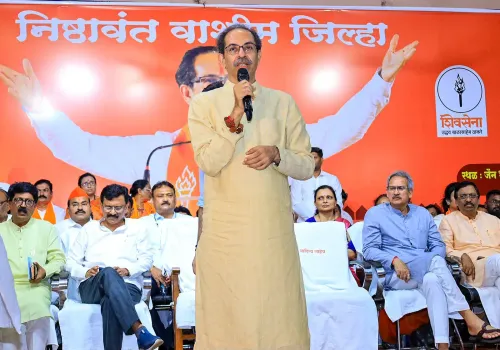
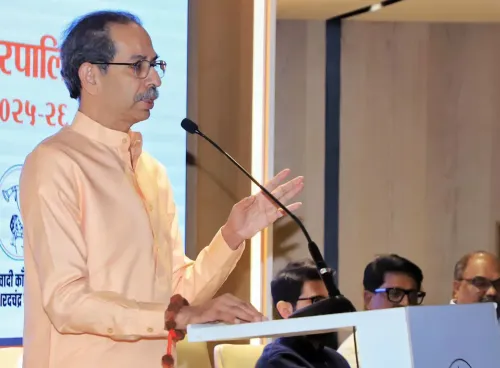
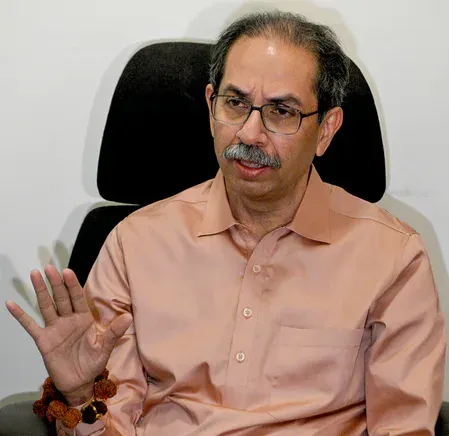
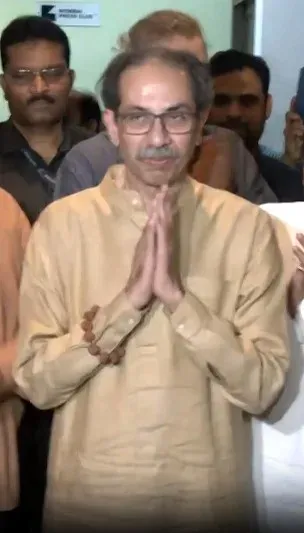
Shiv Sena (UBT) chief Uddhav Thackeray convened an emergency meeting at his Mumbai residence 'Matoshree' on Sunday, 15 June, but only 4 of the party's 9 Lok Sabha MPs attended in person — a 'hybrid' turnout that has reignited speculation about imminent defections and deepened anxieties within the Thackeray camp.
The Hybrid Meeting and What It Signals
The remaining 5 MPs joined via video conference or telephone, prompting swift ridicule from the rival Eknath Shinde-led Shiv Sena faction. Shinde Sena spokesperson Sheetal Mhatre said, 'Uddhav Thackeray ran his government via Facebook Lives. Now his MPs are doing the same. This shows their hold over the party.' Party managers offered explanations for each absence: Yavatmal MP Sanjay Deshmukh was occupied with a daughter's wedding preparations, Shirdi MP Bhausaheb Wakchoure had a hospitalised wife, and Hingoli MP Nagesh Patil Ashtikar was tied up with local MLC election duties. Yet insiders say the optics have caused considerable damage.
Notably, the leadership had reportedly instructed all MPs to remain in Mumbai through the weekend, partly to use Aaditya Thackeray's birthday on Saturday as a visible display of unity. The failure of five MPs to appear in person across both days has been read by many within Matoshree as an act of passive defiance.
Operation Tiger: The Threat Behind the Speculation
The emergency meeting was convened against the backdrop of whisper campaigns surrounding 'Operation Tiger' — a reported coordinated effort by Deputy Chief Minister Eknath Shinde to engineer a second major split in the Sena legacy. The constitutional arithmetic is stark: under the Tenth Schedule of the Indian Constitution, a breakaway faction requires a two-thirds majority to bypass the anti-defection law. If Shinde were to win over just 6 of the UBT's 9 MPs, he would legally hollow out Thackeray's parliamentary standing, reducing the UBT faction to a legislative rump. It would also deliver a severe psychological blow as the Supreme Court continues to deliberate on the validity of the original 2022 split.
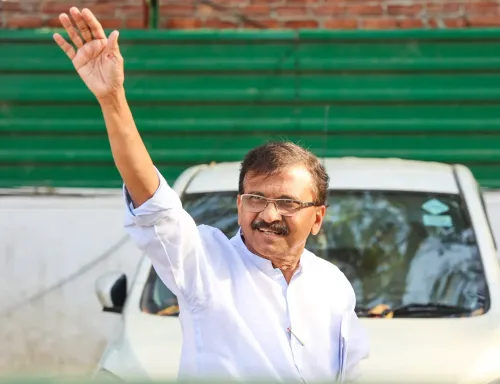
Shiv Sena (UBT) MP Sanjay Raut dismissed the defection rumours and threatened a counter-move he called 'Operation Wolf' — a bid to poach Shinde legislators. However, insiders concede that the ruling alliance currently holds significantly greater financial and political leverage.
Triple Pressures Squeezing UBT Lawmakers
Analysts point to three structural pressures bearing down on Thackeray's MPs. First, being in opposition is a costly position, especially with crucial municipal and state assembly elections approaching. Parbhani MP Sanjay Jadhav raised eyebrows last month when he candidly remarked, 'Economic calculations are important during polls... it is impossible to say what will happen next.' Second, as a constituent of the Maha Vikas Aghadi (MVA) coalition alongside Congress and Sharad Pawar's NCP, the UBT faction faces territorial concessions — MPs fear that ceding assembly segments or municipal wards to allies could permanently erode their core vote banks. Third, despite Thackeray becoming more accessible since 2022, a persistent grievance among rural and semi-urban MPs holds that the party's inner circle remains heavily dominated by Mumbai-centric leaders.
Political Footprints Raising Alarm
Recent movements by UBT legislators have compounded anxiety at Matoshree. MP Ashtikar was reportedly spotted visiting Chief Minister Shinde's official residence. Nashik MP Rajabhau Waje held a quiet meeting with Shinde's son, Shrikant Shinde. And Shirdi MP Wakchoure met with State Industries Minister Uday Samant. Each visit, taken individually, is explicable; taken together, they form a pattern that the UBT leadership cannot ignore.
What Comes Next
Political observers note that Thackeray's immediate challenge is to shift from defensive damage control to active grievance redressal — delivering credible financial backing and territorial protection for his regional MPs within the MVA framework. If Matoshree cannot provide those assurances, the 'hybrid' attendance at party meetings may, as observers warn, solidify into permanent physical exits. 'Operation Tiger' is reportedly far from abandoned; it is, by most accounts, waiting for Maharashtra's political temperature to reach a tipping point.
Point of View
Shinde can say five stayed away. But the constitutional math is unforgiving: six MPs is all it takes to legally erase the UBT's parliamentary existence under the Tenth Schedule. What is striking is how openly some UBT legislators are signalling their discomfort — Jadhav's 'economic calculations' remark was not a slip, it was a message. Thackeray's post-2022 reinvention as an accessible, grassroots leader has not resolved the deeper structural problem: the MVA coalition forces territorial concessions that directly threaten the local fiefdoms his MPs depend on for survival. Until that contradiction is resolved, no amount of emergency meetings — hybrid or otherwise — will hold the floor together.
NationPress
20 Sept 2026
Frequently Asked Questions
What happened at Uddhav Thackeray's Matoshree meeting on 15 June?
Shiv Sena (UBT) chief Uddhav Thackeray convened an emergency meeting of the party's Lok Sabha MPs at his Mumbai residence Matoshree on Sunday, 15 June. Only 4 of the party's 9 MPs attended in person, while 5 participated via video conference or phone, triggering speculation about possible defections.
What is 'Operation Tiger' in Maharashtra politics?
'Operation Tiger' reportedly refers to a coordinated effort by Eknath Shinde and his allies to engineer a second major split in the Shiv Sena (UBT) by wooing its Lok Sabha MPs. Under the Tenth Schedule of the Constitution, Shinde needs just six of UBT's nine MPs to form a legally valid two-thirds breakaway faction, which would shield defectors from disqualification under anti-defection rules.
Why are Shiv Sena (UBT) MPs under financial and political pressure?
UBT MPs face a triple bind: operating in opposition is expensive ahead of upcoming municipal and state assembly elections; the MVA coalition requires territorial concessions that erode local vote banks; and a perception persists that the party's inner circle is dominated by Mumbai-centric leaders, sidelining rural and semi-urban representatives.
What did Sanjay Raut say about the defection rumours?
Shiv Sena (UBT) MP Sanjay Raut dismissed the defection rumours and threatened a counter-move called 'Operation Wolf,' aimed at poaching legislators from the Shinde camp. However, insiders acknowledge that the ruling MahaYuti alliance holds considerably more financial and political leverage at present.
How does the 2022 Shiv Sena split relate to the current situation?
The Supreme Court is still deliberating on the constitutional validity of the 2022 split in which Eknath Shinde broke away from Uddhav Thackeray's Shiv Sena. A fresh round of defections engineered through 'Operation Tiger' would compound the UBT faction's legal and political vulnerabilities while strengthening Shinde's claim as the legitimate successor to the Sena's legacy.