IAEA Chief Warns of Ongoing Nuclear Threats in Iran Amid Strikes
Synopsis
Despite military strikes on Iran's nuclear sites, the core risks of enriched uranium and Iran's capability to rebuild its nuclear program remain. IAEA's Rafael Grossi highlights the need for renewed inspections and diplomacy to address these critical concerns.
Key Takeaways
Military strikes have damaged Iran's nuclear facilities, but risks remain.
Enriched uranium stockpiles and potential for rebuilding are ongoing concerns.
IAEA urges for renewed inspections and transparency.
Diplomacy is deemed essential for addressing nuclear threats.
Operational challenges exist in managing enriched uranium.
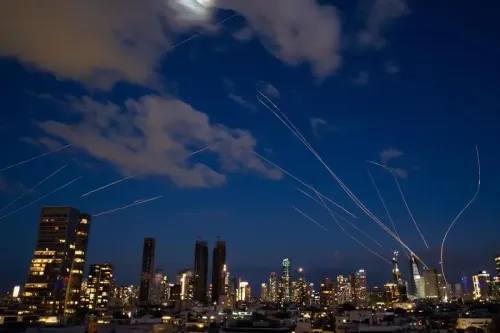
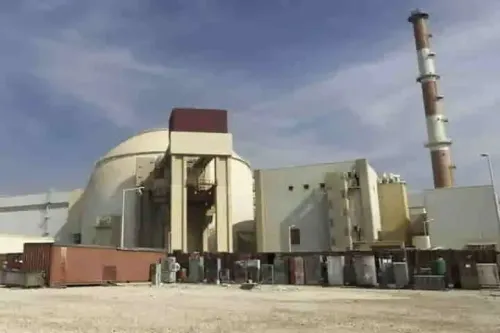
Washington, March 22 (NationPress) Despite significant military strikes against Iran's nuclear facilities, the fundamental threats persist, including substantial stockpiles of enriched uranium and the country's capability to reestablish its nuclear program, according to the UN's nuclear monitoring agency.
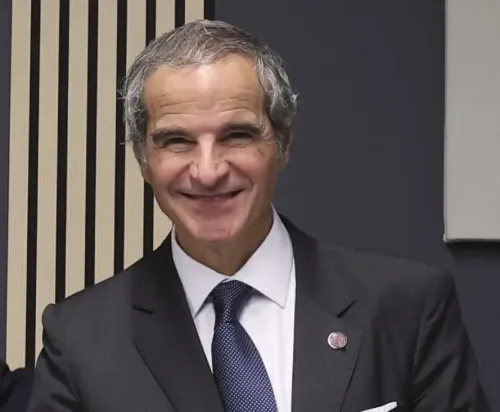
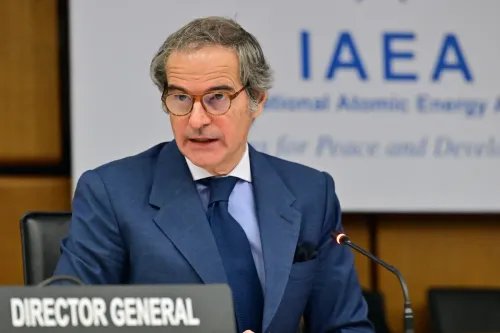
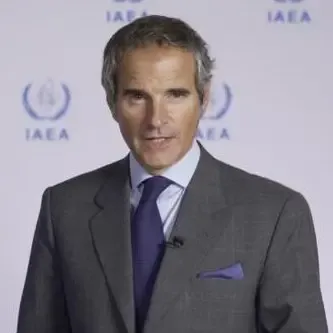
In an interview on CBS's "Face the Nation," IAEA Director-General Rafael Grossi stated that the ongoing hostilities have "substantially hindered the program,” yet cautioned that crucial components are likely to endure.
“It is undeniable that this has considerably curtailed the program,” Grossi remarked. However, he noted that “we will still face several critical issues” once the conflict draws to a close.
Grossi highlighted Iran’s stockpile of uranium enriched to 60% as a significant worry. “That will largely remain intact, mostly — under the rubble,” he commented.
He further indicated that some machinery and infrastructure might still be operational. “We will only be able to determine that when our inspectors return,” he stated.
The IAEA chief emphasized that military action cannot erase technical expertise. “Knowledge is not something you can simply unlearn,” he mentioned, emphasizing that Iran possesses the industrial and scientific foundation necessary to rebuild.
He pointed out that centrifuge technology, vital for uranium enrichment, can be restored. Iran currently has “the most advanced, rapid, and efficient machines available, and they have the know-how to manufacture them,” he stated.
Grossi reiterated that the agency continues to hold unresolved concerns. “There are numerous unanswered questions, concerning facts that need addressing,” he expressed.
He called for renewed inspections and greater transparency. “If there’s nothing to hide, then show us,” he urged.
Regarding current activities, Grossi noted that there is no significant rebuilding effort observable amid the ongoing conflict. “We do not see major operations, which is understandable, given the military campaign,” he commented. Yet, he added that “much has still persisted.”
He stressed the importance of diplomacy moving forward. “We must return to the negotiating table; it’s essential,” he stated.
Grossi also confirmed that diplomatic discussions occurred prior to the war, but no consensus was reached. “There were talks, but no agreement was finalized,” he noted.
On military proposals to eliminate enriched uranium, Grossi cautioned about practical difficulties. He described the material as “highly contaminated uranium hexafluoride at 60%,” making it “extremely challenging to manage.”
Point of View
The ongoing situation in Iran presents significant geopolitical challenges. The IAEA's findings underscore the necessity for diplomatic engagement and thorough inspections to mitigate nuclear risks. It is essential that all parties prioritize transparency and dialogue to ensure global security.
NationPress
22 Sept 2026
Frequently Asked Questions
What are the main concerns regarding Iran's nuclear program?
The primary concerns include Iran's stockpiles of enriched uranium, the capability to rebuild its nuclear program, and the unresolved issues that remain despite military actions.
What did the IAEA chief say about military actions against Iran?
IAEA Director-General Rafael Grossi stated that military actions have significantly rolled back Iran's nuclear program but cautioned that key elements will survive.
Why is diplomacy emphasized by the IAEA?
Grossi emphasized diplomacy as essential for addressing ongoing nuclear risks and ensuring transparency in Iran's operations.
What is the status of inspections in Iran according to the IAEA?
Grossi noted that inspections are crucial and called for renewed access to ascertain the current state of Iran's nuclear capabilities.
What challenges are associated with handling enriched uranium?
Grossi described the enriched uranium as highly contaminated and difficult to manage, indicating significant operational challenges for any military action.