10 killed in Balochistan highway crash as activists slam Pakistan's road neglect
Synopsis
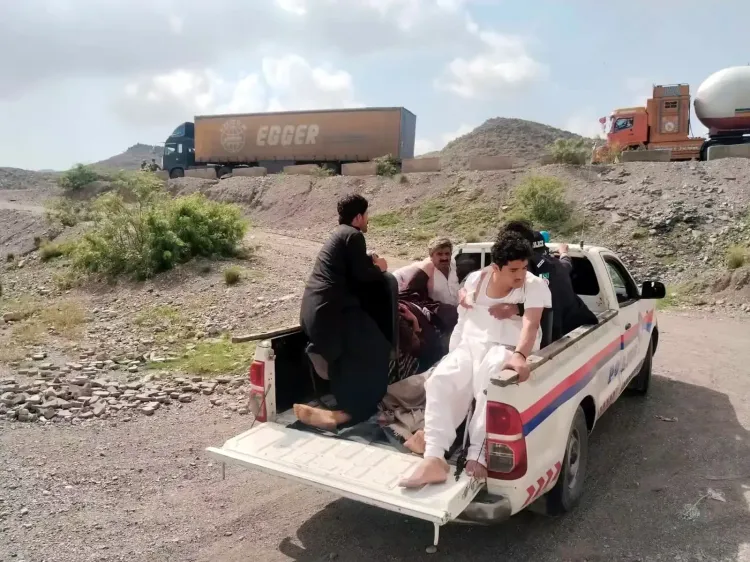
Ten people are dead after a Turbat-to-Karachi passenger coach slammed into an LPG tanker on the Makran Coastal Highway, sparking a fire that consumed both vehicles. The crash has reignited longstanding accusations that Pakistan's federal and provincial governments have left Balochistan's decades-old single-lane highways dangerously unupgraded — even as the province's resources reportedly funded motorways elsewhere.
Key Takeaways
At least 10 people killed and 27 injured after a coach-LPG tanker collision near Basol on the Makran Coastal Highway on 20 November 2026 .
The fire engulfed both vehicles; the total passenger count and exact cause remain unknown, according to reports.
Sammi Deen Baloch (BYC) accused the Pakistani government of negligence, citing single-lane highways unchanged for decades and poor traffic enforcement.
Naseem Baloch (BNM) alleged the tragedy reflects systemic institutional neglect of Balochistan's people.
Critics argue resources from Rekodek, Saindak, Sui gas and CPEC have benefited other provinces while Balochistan's road network remains hazardous.
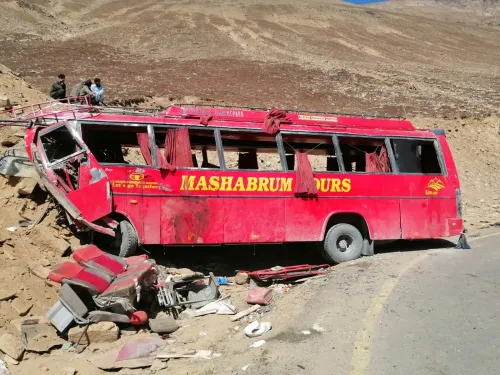
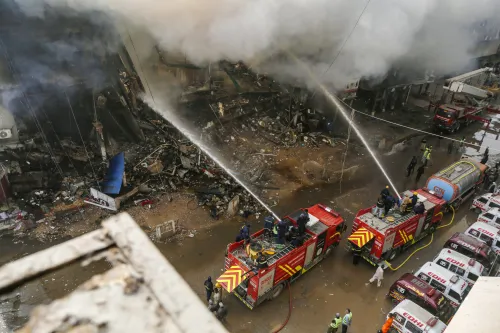
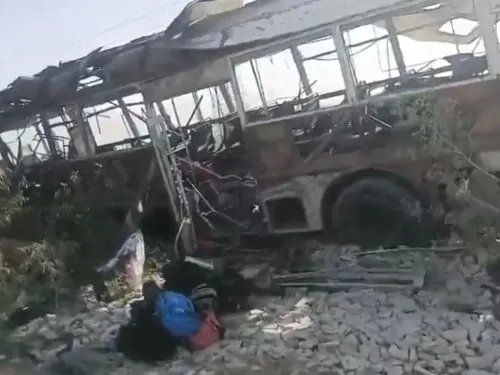
At least 10 people were killed and 27 others injured on 20 November 2026 after a passenger coach travelling from Turbat to Karachi collided with an LPG tanker on the Makran Coastal Highway in Balochistan, triggering a fire that engulfed both vehicles. The crash occurred near Basol, on the stretch between Pasni and Ormara, according to local media reports.
What Happened at the Crash Site
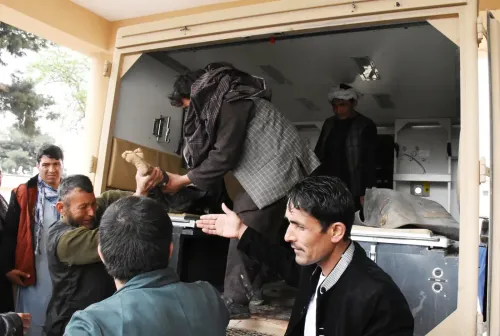
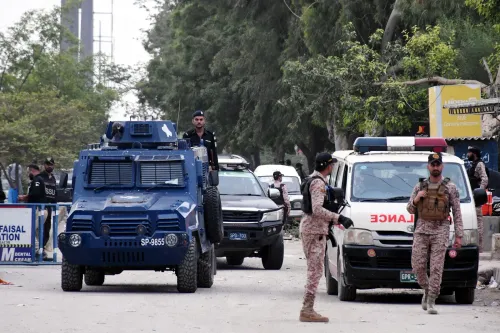
The passenger coach, carrying an as-yet-undetermined number of travellers, struck a tanker loaded with liquefied petroleum gas (LPG), causing a blaze that consumed both vehicles. Police, rescue personnel, and firefighters from the Ormara Municipal Committee rushed to the scene shortly after the collision. The injured were transported to nearby hospitals for treatment. The exact cause of the accident remains unknown, according to reports from The Balochistan Post.
Rights Activists Accuse Government of Negligence
Sammi Deen Baloch, a member of the human rights organisation Baloch Yakjehti Committee (BYC), voiced sharp criticism of the Pakistani government in a post on X, holding it accountable for what she described as a pattern of preventable tragedies on Balochistan's roads.
'The continuing deaths on Balochistan's deadly highways, whether on the Quetta–Karachi Highway or the Karachi–Turbat route, are a clear example of government negligence and indifference to the public's needs. Poor traffic management, a lack of enforcement of laws, unsafe travel arrangements, and single-lane highways that have remained unchanged for decades are among the major causes of these accidents,' she wrote.
Sammi further alleged that Balochistan's vast natural resources — including Rekodek, Saindak, and Sui gas — had funded infrastructure development in other provinces while the province's own highways remained dangerously inadequate. 'The government that sold Gwadar for billions in the name of CPEC could not even take basic steps such as converting these highways in Balochistan from single-lane to double-lane roads and making travel safe for the public,' she added. She noted that road fatalities in the province have become a near-daily occurrence.
BNM Chairman Calls Tragedies Systemic, Not Accidental
Naseem Baloch, Chairman of the Baloch National Movement (BNM), also condemned the incident in a post on X, framing it within what he alleged is a broader pattern of institutional neglect. 'It is heartbreaking that even travelling on our own highways has become a matter of life and death. These tragedies are not merely accidents,' he said, calling for freedom, dignity, security, and justice for the people of Balochistan.
A Recurring Crisis on Balochistan's Roads
This crash is the latest in a series of deadly road accidents on Balochistan's highway network, particularly on the Makran Coastal Highway and the Quetta–Karachi route. Critics argue that the province's single-lane highways — built decades ago — have not kept pace with traffic volumes, leaving commuters acutely vulnerable to high-speed collisions. The involvement of an LPG tanker in Thursday's crash compounded the death toll through fire, underscoring what safety advocates describe as inadequate hazardous-cargo regulation. As investigations continue, pressure is mounting on the Balochistan government to accelerate highway upgrades and enforce stricter traffic laws.
Point of View
Yet its arterial roads remain single-lane, poorly patrolled, and structurally unaltered for decades. The fact that an LPG tanker and a passenger coach share the same narrow corridor without adequate separation or hazardous-cargo protocols reflects a failure of both infrastructure policy and regulatory enforcement. Activists are right to draw the connection to resource extraction: when CPEC investment and mineral royalties do not translate into basic road safety for the province's own residents, the accountability deficit is as much political as it is administrative.
NationPress
20 Nov 2026
Frequently Asked Questions
What happened on the Makran Coastal Highway on 20 November?
A passenger coach travelling from Turbat to Karachi collided with an LPG tanker near Basol, between Pasni and Ormara, triggering a fire that engulfed both vehicles. At least 10 people were killed and 27 others were injured, according to local media reports.
What is the Makran Coastal Highway and why is it considered dangerous?
The Makran Coastal Highway is a key road corridor in Balochistan connecting Karachi to Turbat and running along the province's southern coastline. Rights activists and safety advocates argue it remains a single-lane road built decades ago, with poor traffic enforcement and no adequate separation for heavy vehicles carrying hazardous cargo.
What did rights activists say about the crash?
Sammi Deen Baloch of the Baloch Yakjehti Committee accused the Pakistani government of negligence, citing inadequate road infrastructure, absent traffic law enforcement, and the failure to convert single-lane highways to dual carriageways. Naseem Baloch of the Baloch National Movement alleged the tragedy reflects broader institutional neglect of Balochistan's people.
How does resource extraction relate to Balochistan's road safety problem?
Activists allege that revenues from Balochistan's natural resources — including Rekodek, Saindak, and Sui gas fields, as well as CPEC-linked Gwadar development — have funded motorways and infrastructure in other Pakistani provinces while Balochistan's own highway network has remained largely unchanged. These are allegations made by rights groups; the government has not formally responded to this specific charge.
What is the Baloch Yakjehti Committee (BYC)?
The Baloch Yakjehti Committee is a human rights organisation operating in Balochistan that campaigns on issues including enforced disappearances, custodial deaths, and public infrastructure neglect. Its member Sammi Deen Baloch is a prominent activist who frequently raises concerns about governance failures in the province.