Baghlan highway crash kills 5, injures 20 in head-on bus-tanker collision
Synopsis
A head-on collision between a passenger bus and an oil tanker on Afghanistan's Salang Highway in Baghlan province has killed five people and injured 20 more — the latest in a series of fatal crashes across the country's north that have claimed at least 18 lives in under five weeks, highlighting a deepening road safety crisis.
Key Takeaways
Five commuters killed and 20 injured in a head-on bus-tanker collision on the Salang Highway in Baghlan province on 30 October .
The crash was attributed to driver negligence ; an investigation is underway.
On 24 October , a separate vehicle overturn in Badakhshan killed four and injured eight .
On 23 September , eight died and four were injured in a road accident in Takhar province .
On 22 September , one was killed and nine injured when a minibus plunged into a ravine in Laghman province .
At least 18 people have died in Afghan road accidents over the past five weeks across multiple northern provinces.
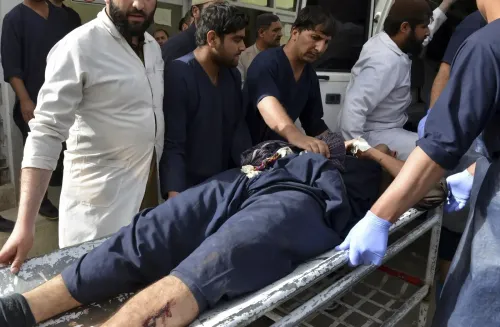
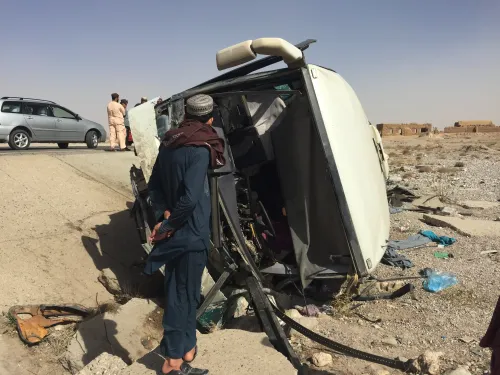
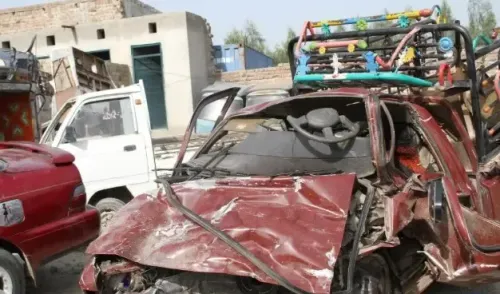
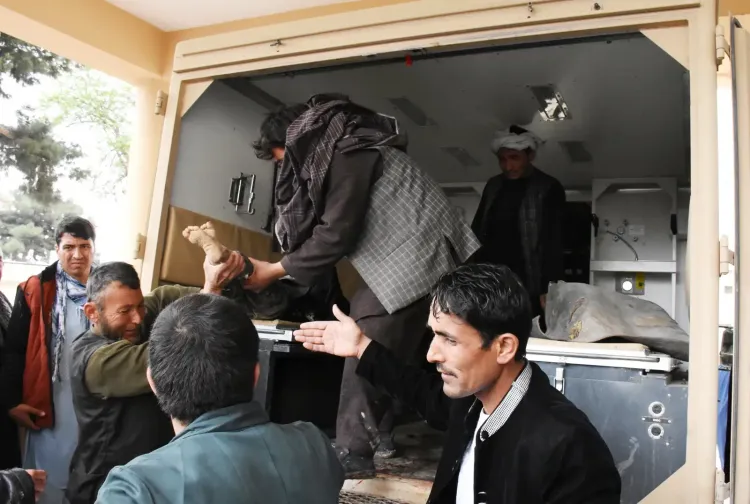
A passenger bus and an oil tanker collided head-on in Afghanistan's northern Baghlan province early on Friday, 30 October, killing five commuters and injuring 20 others, some of them critically, according to the official Bakhtar News Agency. The deadly crash took place on the Salang Highway and has been attributed to driver negligence.
What Happened on the Salang Highway
The collision occurred in the early hours of Friday morning on the Salang Highway, one of Afghanistan's most strategically critical road corridors connecting Kabul to the northern provinces. All 20 injured were transported to nearby health centres for treatment, authorities confirmed. An investigation into the incident is currently underway, though no further details have been disclosed by Bakhtar News Agency.
A Pattern of Deadly Road Accidents Across Afghanistan
The Baghlan crash is the latest in a series of fatal road accidents that have claimed lives across Afghanistan in recent weeks. On 24 October, at least four people were killed and eight others injured when a passenger vehicle overturned in the remote northern province of Badakhshan. The vehicle was travelling from the Kofab and Yaftal districts of the province, according to local media. Authorities did not disclose the cause of that crash.
Before that, on 23 September, eight commuters were killed and four others injured in a road accident in Takhar province. The vehicle veered off the road and overturned in the Gazestan region, Kalafgan district. Naqibullah Masroor, the provincial police spokesman, confirmed the fatalities and said the injured were taken to Takhar's provincial hospital.
A day earlier, on 22 September, one traveller was killed and nine others injured after a minibus plunged into a ravine in eastern Laghman province's Padpakh district. Mohammad Yunus Yusufzai, spokesperson for the provincial police, confirmed the incident, adding that the injured were transferred to a hospital in the provincial capital, Mehtarlam.
Why Road Accidents Are So Frequent in Afghanistan
Afghanistan's road network is severely underdeveloped, particularly in its northern and northeastern provinces. Badakhshan, for instance, is characterised by rugged mountain terrain and limited infrastructure — conditions that routinely contribute to fatal accidents. Highways such as the Salang are critical arteries yet remain prone to collisions due to poor road conditions, overloaded vehicles, and, as authorities frequently note, driver negligence.
The cumulative toll from just the past five weeks — at least 18 dead and over 50 injured across four separate incidents — underlines what analysts and aid organisations have repeatedly flagged as a structural road safety crisis in the country.
What Comes Next
Investigations into the Baghlan collision are ongoing, with no timeline given for findings. The frequency of such incidents is likely to renew calls from humanitarian organisations for investment in road safety infrastructure, though sustained international engagement in Afghanistan's civil development remains limited under the current political administration.
Point of View
Yet it remains a death corridor. With humanitarian funding to Afghanistan contracting and no credible domestic road safety authority functioning at scale, the pattern of driver-negligence verdicts after each crash is less a finding than a deflection. The real accountability question is structural: who is responsible for ensuring Afghan roads are safe enough to use?
NationPress
30 Oct 2026
Frequently Asked Questions
What happened in the Baghlan road accident on 30 October?
A passenger bus and an oil tanker collided head-on on the Salang Highway in Afghanistan's Baghlan province early on 30 October, killing five commuters and injuring 20 others, some critically. The crash has been attributed to driver negligence, and an investigation is underway.
Where exactly did the Baghlan crash occur?
The collision took place on the Salang Highway in northern Baghlan province, one of Afghanistan's key road corridors linking Kabul to the northern regions of the country.
How many people have died in Afghan road accidents recently?
At least 18 people have been killed across four separate road accidents in Afghanistan in under five weeks — in Baghlan (5 dead), Badakhshan (4 dead), Takhar (8 dead), and Laghman (1 dead) — between late September and 30 October 2026.
Why are road accidents so common in northern Afghanistan?
Northern and northeastern Afghanistan are characterised by rugged mountain terrain, limited road infrastructure, overloaded vehicles, and poor maintenance. Provinces like Badakhshan have especially inadequate road networks, and highways such as the Salang remain hazardous despite their strategic importance.
What is the Salang Highway?
The Salang Highway is a critical road corridor in Afghanistan that connects Kabul to the country's northern provinces, passing through the Hindu Kush mountain range via the Salang Pass. It is one of the most important but also most accident-prone routes in the country.