CM Samrat Choudhary backs PM Modi's animal husbandry push for Bihar farmers
Synopsis
Bihar CM Samrat Choudhary amplified PM Modi's vision on X, framing healthy livestock, higher milk output and cattle-dung utilisation as pillars of rural income growth — linking animal husbandry directly to the PM-KISAN farmer welfare framework.
Key Takeaways
Bihar Chief Minister Samrat Choudhary quoted PM Modi on X on 30 October 2026 , promoting animal husbandry as a rural income tool.
PM Modi's stated goal covers three fronts: livestock health , increased milk production , and full utilisation of cattle dung .
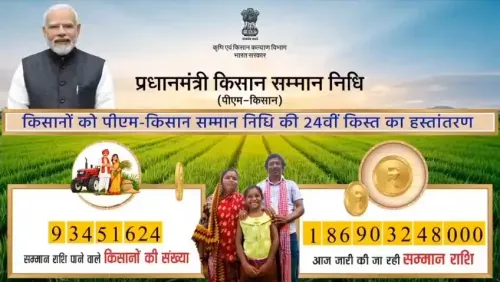
The push is tagged under #PMKisanSammanNidhi , signalling intended integration with the ₹6,000-a-year direct benefit scheme for farmers.
The Rashtriya Gokul Mission (launched 2014 ) and PM-KISAN (launched 2018-19 ) form the twin policy pillars behind this vision.
Bihar , with a large rural and dairy-dependent population, is a key target state for this livestock-income strategy.
Gobar-based enterprise — biogas, organic fertiliser — is being positioned as a productive asset, not a waste byproduct.
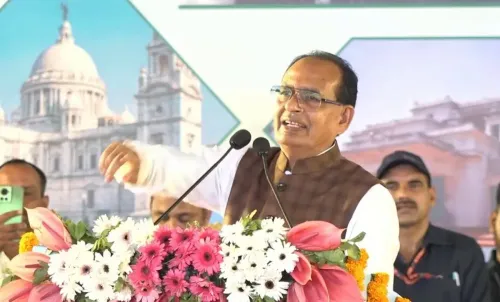
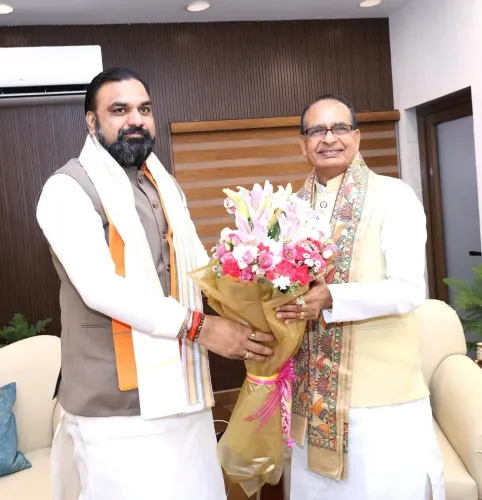
Animal husbandry is no longer just a village tradition — it is becoming a measurable income engine, and Bihar Chief Minister Samrat Choudhary wants every farmer in the state to know it. On Friday, 30 October 2026, Choudhary took to X to amplify Prime Minister Narendra Modi's vision for livestock development, quoting him directly under the twin banners of #PMKisanSammanNidhi and #PMKisan.
The quoted statement, attributed to Prime Minister Modi, lays out a three-part agenda with deliberate clarity: 'पशु स्वस्थ हों, दूध उत्पादन बढ़े और गोबर का भी पूरा उपयोग हो' — healthy livestock, higher milk output, and full utilisation of cattle dung. The PM's framing is explicit: animal husbandry must be treated not as cultural heritage alone but as a 'means to raise farmer income and make villages prosperous.'
From subsistence to supplementary income: the policy shift
The backdrop here is a decade-long effort to rewire how rural India thinks about cattle. The Rashtriya Gokul Mission, launched in 2014, set the foundation — improving indigenous breed genetics and dairy productivity across states. Then came PM-KISAN in 2018-19, delivering ₹6,000 annually in direct benefit transfers to landholding farmer families, creating a floor of income support that livestock earnings can build upon.
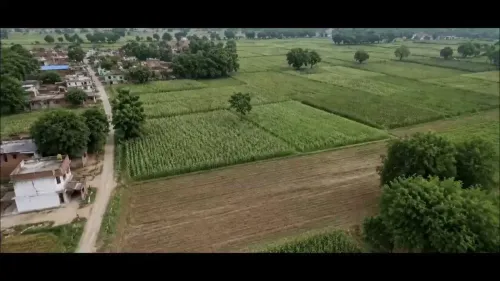
Together, the two pillars sketch an architecture: stabilise farm income at the base, then diversify it upward through dairy and dung-based enterprise. Bihar, with its vast rural population heavily dependent on agriculture and livestock rearing, sits squarely at the centre of that ambition.
Gobar as an asset, not a byproduct
The explicit mention of gobar — cattle dung — is worth pausing on. It signals a push toward biogas, organic fertiliser, and gobar-based rural enterprise pilots that have been gaining traction across BJP-governed states. Treating dung as a productive input rather than waste is central to making small livestock holdings economically viable, particularly for marginal farmers who may own one or two animals.
For Bihar's dairy farmers and smallholders, the signal from Patna is clear: the state intends to align its livestock programmes with the broader PM-KISAN beneficiary architecture, potentially integrating animal health, milk production incentives, and dung-enterprise pilots into a single rural income push.
The villages that treat their cattle as capital — not just companions — may well be the ones that move first.
Point of View
The BJP is attempting to weave livestock development into an already-trusted income-support narrative. The gobar utilisation emphasis is particularly telling: it reframes a cultural asset as an economic one, which is both a policy bet and a messaging strategy for Bihar's vast smallholder base. Watch whether the state follows this rhetoric with concrete scheme integration or beneficiary-list linkages in the months ahead.
NationPress
30 Oct 2026
Frequently Asked Questions
What is PM-KISAN and how does it relate to animal husbandry?
PM-KISAN provides ₹6,000 annually in direct transfers to landholding farmer families since 2018-19. The Bihar government is signalling intent to align livestock development programmes with this beneficiary base to supplement farm incomes further.
What did Bihar CM Samrat Choudhary say about animal husbandry?
Choudhary quoted PM Modi stating the goal is healthy livestock, higher milk production, and full use of cattle dung — framing animal husbandry as a means to raise farmer income and make villages prosperous, not merely a tradition.
What is the Rashtriya Gokul Mission?
The Rashtriya Gokul Mission was launched in 2014 to improve indigenous cattle breeds and enhance dairy productivity across India. It forms the foundation of the central government's livestock development policy.
How can gobar (cattle dung) increase farmer income?
Cattle dung can be converted into biogas for energy and sold as organic fertiliser, turning a byproduct into a revenue stream for small livestock holders — a model being encouraged under current government policy.
Why is Bihar important for India's animal husbandry push?
Bihar has a large rural population heavily dependent on agriculture and livestock rearing, making it a key state for policies that integrate dairy and dung-based enterprise with existing farmer income support frameworks.