Pakistan-Afghanistan border clashes: Heavy firing in Paktika's Angoor Ada, civilians flee
Synopsis
Pakistani and Afghan forces traded artillery and heavy-weapons fire in Paktika's Angoor Ada on 28 October, killing at least one Pakistani civilian and forcing residents to flee. The clash — the second in under two weeks at the same border stretch — comes as Taliban spokesperson Zabihullah Mujahid publicly accused Islamabad of sabotaging peace talks, sharpening a bilateral crisis with no resolution in sight.
Key Takeaways
Heavy cross-border clashes erupted in Angoor Ada, Barmal district, Paktika province on 28 October 2026 , with fighting continuing after midday.
One Pakistani civilian was killed and five family members were injured when a mortar landed on their home, according to Pakistani media.
Pakistani forces reportedly retaliated using small arms, heavy weapons, and artillery against multiple Afghan Taliban border posts and mortar positions.
Similar clashes had taken place in the same area on 19–20 October 2026 , indicating a pattern of escalation.
Taliban spokesperson Zabihullah Mujahid accused Pakistan on 12 October 2026 of sabotaging negotiation processes and pursuing a 'failed policy'.
Pakistan accuses the Taliban of sheltering the TTP ; the Taliban rejects the charge, deepening the diplomatic standoff.
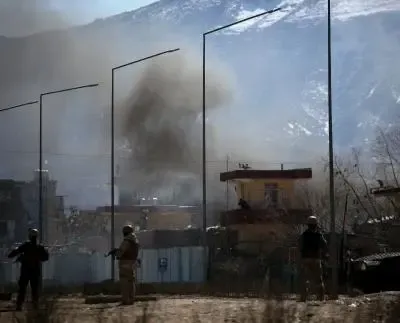
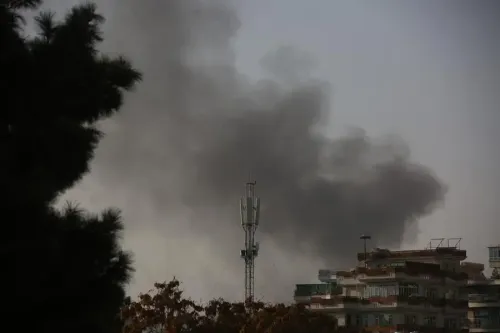
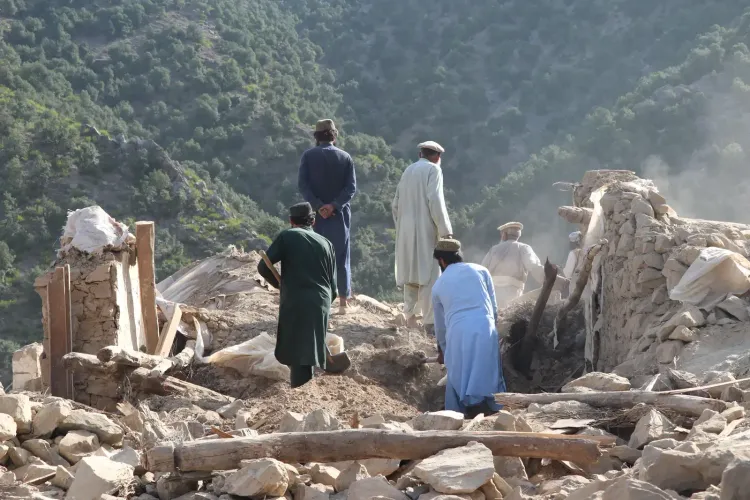
Heavy clashes broke out between Pakistani and Afghan forces in the Angoor Ada area of Barmal district, Paktika province, on Tuesday, 28 October 2026, with residents reportedly fleeing their homes amid sustained cross-border firing. The fighting erupted after midday near the border and continued intensely, according to Afghanistan's Khaama Press news agency.
What Happened on the Ground
Pakistani media reports claimed that Afghan security forces opened fire on Pakistan Army border posts and residential areas in the Angoor Adda border zone. According to a report in Pakistan's Dawn newspaper, Pakistani officials alleged the firing originated from Afghan posts and employed sniper, small arms, and heavy weapons. Pakistani forces reportedly carried out retaliatory action, engaging multiple Afghan Taliban border posts, mortar positions, and defensive bunkers with small arms, heavy weapons, and artillery.
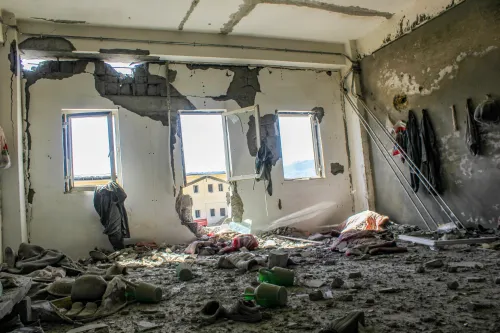
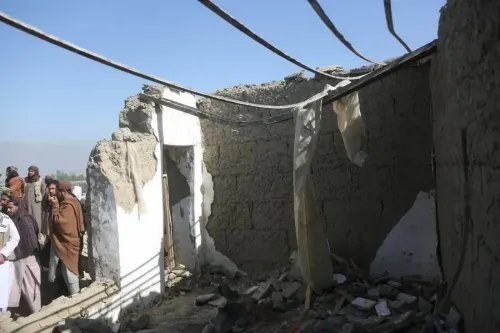
At least one local resident was killed and five members of a family were injured when a mortar round struck their home on the Pakistani side, according to Pakistani media. No casualty figures from the Afghan side have been confirmed.
A Pattern of Recurring Clashes
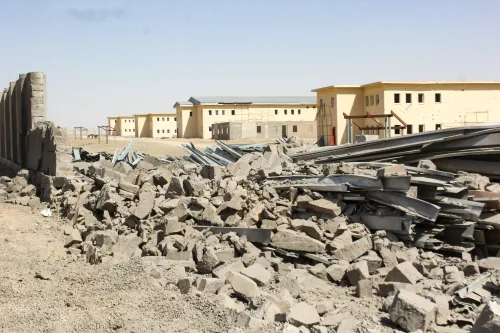
The latest incident is not isolated. Similar clashes had erupted in the same Barmal and Angoor Ada areas as recently as 19–20 October 2026, when heavy weapons were reportedly used. This escalating pattern underscores the fragility of the Pakistan-Afghanistan frontier, where border demarcation disputes and counter-terrorism tensions have long intersected. The Durand Line — never formally recognised by successive Afghan governments — remains a source of persistent friction.
Taliban's Sharpening Rhetoric Against Pakistan
Tensions on the ground have mirrored deteriorating diplomatic relations. On 12 October 2026, Taliban spokesperson Zabihullah Mujahid accused Pakistani authorities of attempting to sabotage ongoing negotiation processes. In a statement shared on X, Mujahid said: 'Blaming Afghanistan for its own failures by Pakistani officials is no solution to any problem. The political, security, social, and economic challenges facing Pakistan are a matter of serious concern and have negative implications for the entire region.' He further said that 'Pakistani authorities' baseless accusations, attempts to sabotage negotiation processes, and the excessive focus of senior officials on propaganda rather than finding solutions constitute a failed policy.'
Mujahid urged Islamabad to take constructive steps to address its domestic challenges and respect the rights of its politicians and people.
The TTP Dispute at the Core
Pakistan has repeatedly accused the Taliban of failing to prevent armed groups — particularly the Tehrik-i-Taliban Pakistan (TTP) — from using Afghan soil to launch attacks across the border. The Taliban administration has consistently rejected these allegations. The unresolved TTP question has become the central flashpoint in bilateral ties, with Islamabad holding Kabul accountable for militant sanctuaries and the Taliban insisting it will not act as a proxy for Pakistani security interests.
Civilian Impact and What Comes Next
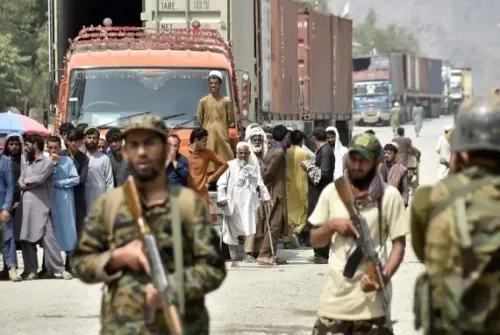
Residents in the Angoor Ada area reportedly abandoned their homes during the clashes, raising fresh concerns over civilian displacement and casualties in one of Afghanistan's more remote border provinces. With ties already at a low point and no diplomatic breakthrough in sight, observers warn that recurring skirmishes risk hardening into a more sustained military confrontation. Both governments will face pressure — domestically and regionally — to either de-escalate or justify further action.
Point of View
But framing every bilateral interaction around it has trapped Islamabad in a reactive posture — one that the Taliban has learned to deflect with ease. Mujahid's October 12 statement was not a diplomatic communiqué; it was a public repudiation, and Islamabad's inability to respond beyond artillery fire reveals the limits of its leverage. What is missing from mainstream coverage is the civilian cost accumulating on both sides of an unrecognised line — people who have no say in a dispute that periodically turns their homes into collateral damage.
NationPress
28 Oct 2026
Frequently Asked Questions
What triggered the Pakistan-Afghanistan border clashes on 28 October 2026?
Heavy clashes erupted in the Angoor Ada area of Barmal district, Paktika province, after Afghan security forces allegedly opened fire on Pakistani border posts and residential areas, according to Pakistani media citing officials. Pakistani forces retaliated using small and heavy arms, including artillery, targeting Afghan Taliban border posts and mortar positions.
Were there civilian casualties in the Angoor Ada clashes?
Yes, according to Pakistani media reports. One local resident was killed and five members of a family were injured when a mortar round struck their home on the Pakistani side. Residents in the Angoor Ada area reportedly fled their homes amid the fighting.
Is this the first clash at this border location?
No. Similar heavy-weapons clashes had taken place in the same Barmal and Angoor Ada area on 19–20 October 2026, indicating a pattern of recurring border skirmishes in this stretch of Paktika province.
What has the Taliban said about its relationship with Pakistan?
Taliban spokesperson Zabihullah Mujahid, in a statement shared on X on 12 October 2026, accused Pakistani authorities of trying to sabotage negotiation processes and focusing on 'propaganda rather than finding solutions,' calling it a 'failed policy.' He urged Islamabad to take constructive steps and respect the rights of its own people.
What is the root cause of Pakistan-Afghanistan border tensions?
Pakistan has repeatedly accused the Taliban of failing to prevent the Tehrik-i-Taliban Pakistan (TTP) from operating on Afghan soil and launching cross-border attacks. The Taliban rejects these claims. The broader dispute is compounded by Afghanistan's non-recognition of the Durand Line as a legitimate international border, creating a structural source of friction that outlasts any single incident.