Is Pakistan's Conflict with Afghanistan a Distraction from Governmental Failures?
Synopsis
As tensions flare between Pakistan and Afghanistan, critics argue that the conflict serves as a strategic distraction from the government's failures. This analysis explores the implications of military actions and rising public dissent.
Key Takeaways
Escalating conflict serves as a distraction from government failures.
Public dissent against military leadership is growing.
Recent attacks have exposed serious security lapses.
Social media plays a crucial role in mobilizing public opinion.
Narratives around military actions are under scrutiny.
Kabul, March 13 (NationPress) As tensions between Pakistan and Afghanistan continue to rise, numerous observers have labeled this ongoing conflict as a calculated maneuver by the nation's struggling military leadership. The intent is to stir unrest in the region, thereby distracting the populace from the government's critical shortcomings, as reported.
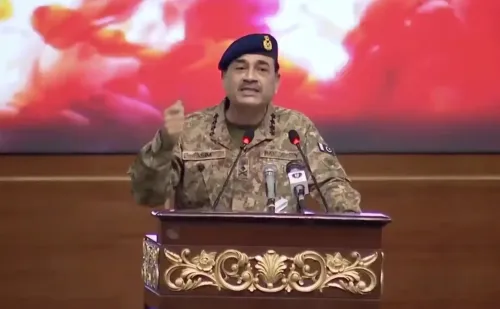
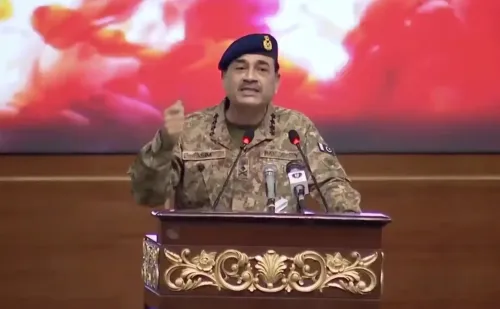
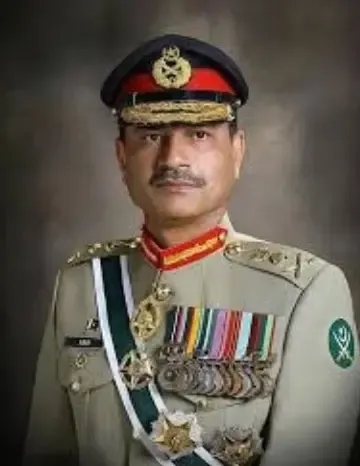
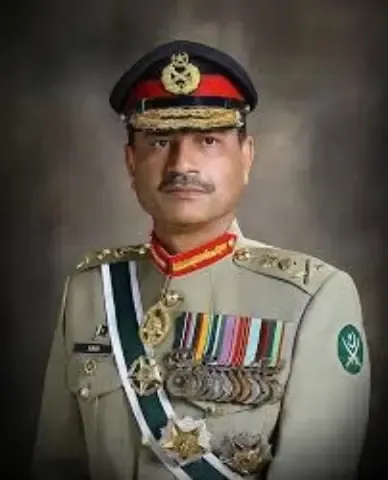
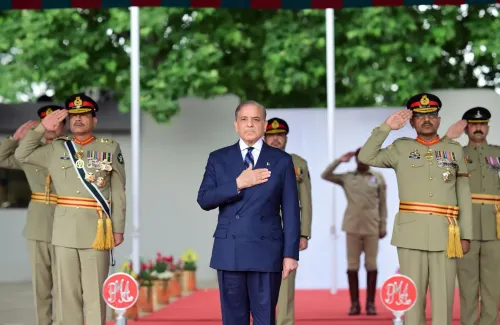
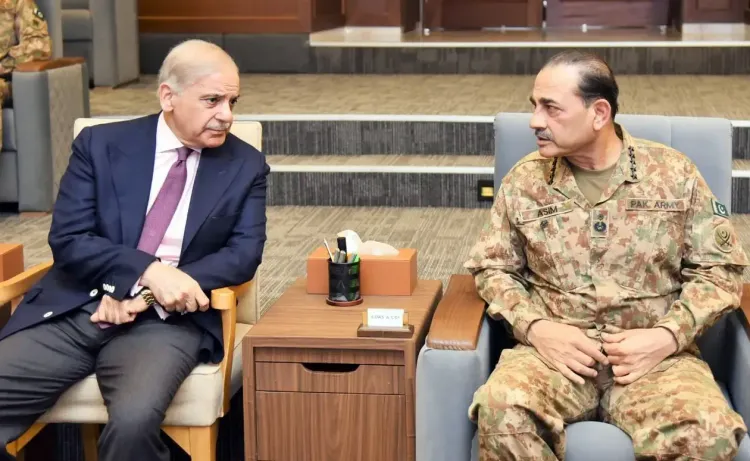
The discontent towards Pakistan's Army Chief, Asim Munir, is becoming increasingly pronounced. Following the tragic deaths of civilians during protests in Pakistan-occupied Gilgit Baltistan (PoGB), chants of “Murdabad” have been aimed at both Prime Minister Shehbaz Sharif and Munir, as highlighted by an article from Khaama Press, a prominent Afghan news outlet.
On social media platforms, hashtags like 'Resign Asim Munir,' 'Pakistan under military fascism,' and 'Boycott military businesses' frequently trend, capturing user accounts of crackdowns and the suppression of free speech. In Afghanistan, public outrage over the Pakistani airstrikes has been similarly intense, with protests erupting across various provinces, condemning what many interpret as state-sponsored terrorism against innocent civilians.
The military's performance over the previous two years has been notably inadequate, and the escalating conflict with Afghanistan has exacerbated what critics assert is a systematic approach to create instability, intended to shift focus away from the government's deeper failures.
February was marked as one of the bloodiest months in Pakistan's recent timeline due to the ineffectiveness of the national security framework. A suicide bombing at a Shia Mosque on February 6 resulted in 36 fatalities and left 170 others injured. This incident followed a terrorist attack in Bajaur that claimed the lives of 11 soldiers, along with further bombings in the Bannu area of Khyber Pakhtunkhwa.
These occurrences exemplify a continuing trend of security lapses under Munir's command. Instead of confronting these challenges, the military opted for its timeworn strategy—manufacturing an external crisis to evade accountability for internal issues, as the report elaborated.
Reports suggest that Pakistani officials were forewarned about an impending threat but failed to take preventive action. Critics contend that the ongoing security crisis stems from the military establishment's longstanding allegiance to jihadist groups. While Munir has attempted to rebrand certain militant factions, he concurrently promotes incendiary, racially charged rhetoric indicative of his ideological biases.
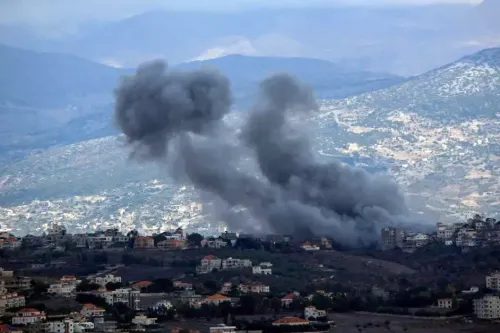
On February 21, the Pakistan Air Force executed strikes across Afghanistan's Nangarhar, Paktika, and Khost provinces, claiming to target Tehreek-e-Taliban Pakistan (TTP) and Islamic State Khorasan Province (ISKP) camps. However, these actions were perceived not as precise counterterrorism efforts, but rather as a display of military might aimed at a domestic audience.
The current hostilities illustrate a shift in Pakistan's strategy towards more assertive military operations in Afghanistan. Analysts have been hesitant to openly acknowledge that these strikes were a response to the military's inability to address its domestic failures. Following a bombing in Islamabad, scrutiny intensified regarding intelligence failures and the army's focus on managing civilian affairs rather than combating terrorism. Through these airstrikes, the military crafted a narrative portraying Pakistan as the victim fighting against terrorism based in Afghanistan, rather than addressing its shortcomings as a security state struggling to protect its citizens, particularly those worshipping just 11 miles from the Army's headquarters in Rawalpindi.
Point of View
The unfolding conflict between Pakistan and Afghanistan raises significant concerns about military accountability and government transparency. The focus should remain on addressing domestic issues rather than diverting attention through external conflicts.
NationPress
14 Sept 2026
Frequently Asked Questions
What is the main reason for the conflict between Pakistan and Afghanistan?
Critics believe that the conflict serves as a distraction from the Pakistani government's internal failures and the military's poor performance.
How has the public reacted to the military leadership in Pakistan?
There is growing opposition against Army Chief Asim Munir, with protests and social media campaigns calling for accountability.
What incidents have highlighted security failures in Pakistan?
Recent tragic incidents include a suicide bombing in a Shia Mosque and multiple terrorist attacks that resulted in numerous casualties.
What role does social media play in the public's response?
Social media is a platform for organizing protests and spreading awareness about military actions and governmental failures.
What narratives are being constructed regarding the military's actions?
The military is framing its operations in Afghanistan as counterterrorism efforts, while critics argue they are a means to evade accountability for domestic issues.