Is Asim Munir's Ultimatum to the Taliban a Sign of Pakistan's Failing Afghan Policy?

Synopsis
As tensions rise, is Asim Munir's ultimatum to the Taliban a reflection of Pakistan's failing Afghan policy? Discover how the relationship between these neighboring countries has reached a critical juncture, revealing deeper geopolitical implications and the shifting dynamics of power in the region.
Key Takeaways
Pakistan's relationship with Afghanistan is at a historic low.
Asim Munir's warning represents a shift in diplomatic strategy.
The Taliban's response indicates their desire for autonomy.
Pakistan's previous strategies have failed to exert influence.
The geopolitical dynamics in the region are rapidly changing.
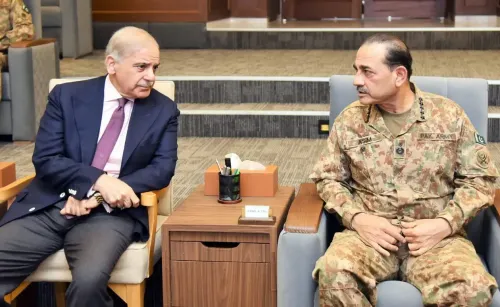
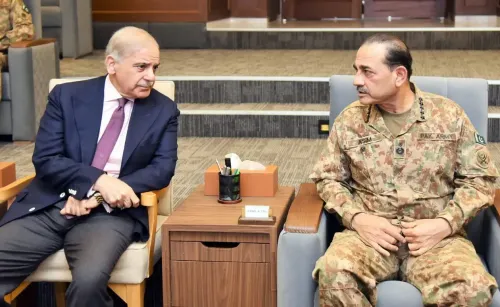
Islamabad, Dec 29 (NationPress) The relationship between Pakistan and Afghanistan has significantly deteriorated, hitting a historic low due to ongoing blame games, frequent border conflicts, and a rising sense of strategic frustration in both Islamabad and Rawalpindi. The recent warning issued by Pakistan Army Chief Field Marshal Asim Munir to the Taliban—demanding that Kabul decide between its relationship with Pakistan and its supposed support for the Tehreek-e-Taliban Pakistan (TTP)—illustrates the shortcomings of Islamabad's Afghan policy, according to a report.
"The statement, made at the National Ulema Conference in Islamabad attended by religious leaders from various backgrounds, was significant not only for its content but also for what it reveals about Pakistan’s faltering Afghan policy. It is rare for a Pakistani military leader to address the Taliban in Kabul with such open threats," wrote author and columnist Arun Anand in a report for Blitz.
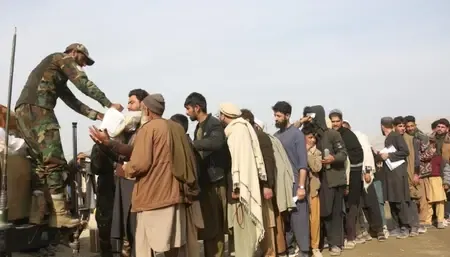
"This warning, effectively an ultimatum, indicates that Pakistan’s long-held strategy of influencing Kabul through ideological ties, diplomatic negotiations, sporadic cross-border strikes, and increased deportation of Afghan refugees has failed. With no success in securing cooperation from the Afghan Taliban, Pakistan appears to be resorting to threats, now backed by religious leaders who otherwise maintain connections with their Afghan counterparts," he added.
Munir's warning was articulated as a matter of national security. He stated that Pakistan could not endure the ongoing presence of TTP fighters in Afghanistan. His remarks reiterated Pakistan's recent stance that the Taliban's continued associations with the TTP would be detrimental to its goodwill. However, such ultimatums rarely signify strength in diplomacy, often indicating an admission of failure, the report noted.
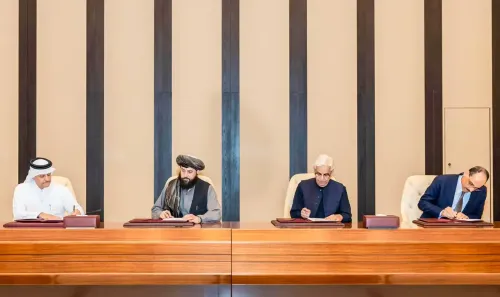
A Blitz report highlighted, "For over three years since the Taliban regained power in Kabul, Pakistan has employed back-channel negotiations, intelligence sharing, religious mediation, and military strikes to compel the Afghan leadership to restrain TTP's activities along the Durand Line. These attempts have largely yielded minimal results as the Afghan Taliban consistently reject Pakistani assertions of TTP's presence on their soil. They maintain that the issue is an internal problem for Pakistan and should not be dragged into their fight with those who share their ideological roots."
Asim Munir’s warning signifies that Pakistan no longer believes it can sway Afghanistan through familiarity or patronage. Notably, Pakistan once viewed the Taliban's return in Afghanistan as a strategic victory, having been among the most enthusiastic supporters during the two-decade US-led conflict in Afghanistan. Following the Taliban's takeover in 2021, many within Pakistan’s military establishment felt vindicated.
In a report for Blitz, Arun Anand commented, "The expectation was clear: a friendly regime in Kabul would provide Pakistan with 'strategic depth', limit India’s influence in Afghanistan, and collaborate closely on security issues, including suppressing anti-Pakistan militant groups. However, that assumption was fundamentally flawed. The Taliban of 2021, who returned to power, were not the same as the Taliban of 1996."
"They came back not as an isolated militia but as rulers seeking international legitimacy, economic survival, and regional balance. Rather than acting as a Pakistani ally, the new Taliban leadership has aimed to assert Afghanistan’s autonomy by strengthening ties with China, Iran, Russia, and even India, while refusing to subordinate its security decisions to Pakistani demands," he concluded.
Point of View
It's imperative to observe that the evolving dynamics between Pakistan and Afghanistan require a nuanced understanding. While the warnings issued by Asim Munir highlight a significant shift, we must remain committed to reporting objectively, considering the broader implications for both nations and their citizens.
NationPress
27 Sept 2026
Frequently Asked Questions
What did Asim Munir warn the Taliban about?
Asim Munir warned the Taliban that they must choose between their relationship with Pakistan and their support for the Tehreek-e-Taliban Pakistan (TTP).
Why has Pakistan's policy towards Afghanistan failed?
Pakistan's policy has failed due to ineffective strategies such as ideological engagement and diplomatic efforts, which did not yield compliance from the Afghan Taliban.
What implications does this warning have for Pakistan?
The warning signals a shift in Pakistan's approach to Afghanistan, indicating their frustration and the potential for increased tensions.
How have the Taliban responded to Pakistan's pressure regarding the TTP?
The Taliban have consistently rejected claims of TTP's presence in Afghanistan, stating it is Pakistan's internal issue.
What does this mean for regional stability?
The deteriorating relationship may lead to increased instability in the region, affecting not only Pakistan and Afghanistan but also their international relations.