Are Pakistan and Afghanistan Ignoring the ISIS-K Threat?
Synopsis
The ongoing presence of ISIS-K fighters along the Durand Line raises serious concerns for regional security, prompting accusations between Pakistan and Afghanistan. This situation is further complicated by each country’s conflicting narratives, impacting cooperation in counterterrorism efforts. Discover the implications of this precarious situation and its threat to stability in the region.
Key Takeaways
ISIS-K poses a significant threat to regional stability along the Durand Line.
Conflicting narratives between Pakistan and Afghanistan hinder cooperation.
Recent killings of key figures highlight the ongoing danger of ISIS-K.
Foreign recruits play a crucial role in ISIS-K's operations.
Unified counterterrorism efforts are essential for regional safety.
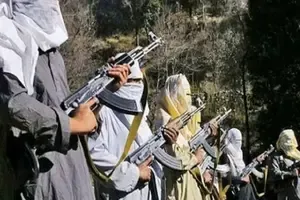
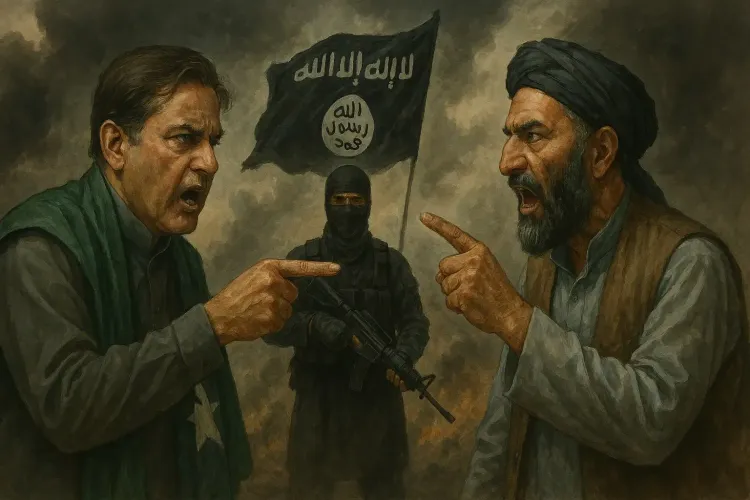
New Delhi, Oct 30 (NationPress) The existence of Islamic State (ISIS-K) militants along the precarious Durand Line that separates Afghanistan and Pakistan presents a significant threat to regional stability, including India. While both governments acknowledge this danger, their narratives often serve their own agendas.
The recent elimination of ISIS-K members and purported leaders has sparked renewed international concern, as both countries assert they are victims of these extremist factions.
The global community, including the United Nations, has expressed alarm over the presence of such groups in the challenging and porous border regions.
The increase in hostilities, marked by intermittent armed clashes and raids, has intensified discussions surrounding the Durand Line. Recent attempts at establishing a lasting ceasefire, mediated by regional players, have collapsed due to both Islamabad and Kabul's unwillingness to compromise on their demands.
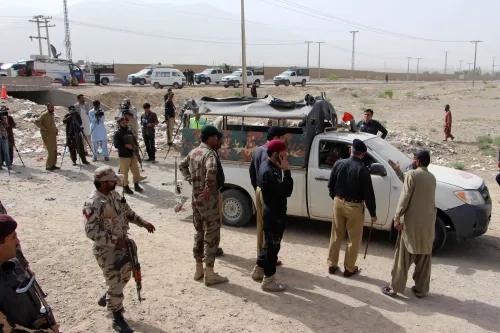
Instead of conducting a unified operation against terrorist threats along the border, both nations are addressing local issues while promoting narratives that align with their political interests. Reports from Afghan news agencies on October 29 indicate the death of Nusrat, also known as Pahlawan Musa and Abu Zar, a significant ISIS-K operative, in Peshawar.
This report claims he was instrumental in orchestrating attacks in Kabul during 2022 and 2023 and led the group's 'Pahlawan' center in Pakistan.
Despite Islamabad's consistent assertions that no groups like ISIS operate within its borders, recent developments imply that ISIS-Khorasan continues to enjoy safe havens and operational networks in Pakistan.
In a related development, Pakistan reported the killing of Asim Baloch, a senior commander of ISIS-K, along with a Tajik associate, in Khuzdar, Balochistan, linking the terror group to the Baloch insurgency.
The reports also highlighted the foreign connections of ISIS-K, especially recruits from Central Asia, who are allegedly attempting to spread terror in Pakistan with support from the Afghan Taliban.
According to these reports, regions within Pakistan, such as Peshawar, Karachi, and Balochistan, are being secretly utilized as operational or transit hubs for ISIS-K.
Asim Baloch was said to have originated from the Mastung district in Balochistan and fled following Pakistani security operations targeting ISIS hideouts. He was gunned down by unidentified assailants in Khuzdar, alongside a Tajik national who had recently joined ISIS-K.
Reports from Kabul stated that the news of Asim Baloch's death emerged just a day after another senior ISIS official, known as Hasan, was also killed in Karachi, further highlighting the group's deep-rooted presence in Pakistan.
These reports suggested that Hasan, originally from Peshawar, facilitated the group’s attacks within Afghanistan. Pakistani sources indicated that these killings are part of a broader crackdown on ISIS-K operatives, focusing on regional law enforcement and counterterrorism.
Afghan media portrayed these deaths as confirmation of the ongoing activity and mobility of ISIS-K leadership and foreign fighters within Pakistan, emphasizing the cross-border threat.
These reports frequently cite military analysts warning about Pakistan’s role or inaction, while Pakistani narratives emphasize local security sources and investigative reporting.
The divergence in national narratives complicates cooperation and intelligence sharing, hindering both sides' ability to create a unified counterterrorism strategy. The ongoing presence of ISIS-K leadership or facilitators in Pakistan poses a persistent danger not only to Afghanistan but also threatens the overall stability of the region.
Moreover, the reported involvement of foreign recruits highlights ISIS-K’s transnational recruitment and operational capacities extending throughout Central and South Asia.
Point of View
It is essential to maintain a balanced view on the situation between Pakistan and Afghanistan. While accusations are exchanged regarding the presence of ISIS-K, the focus must be on fostering dialogue and cooperation in combating the shared threat of terrorism. A unified approach is necessary for regional stability.
NationPress
23 Sept 2026
Frequently Asked Questions
Why is the Durand Line significant?
The Durand Line serves as a border between Afghanistan and Pakistan, and has long been a point of contention and conflict, especially concerning security and terrorism.
How does the presence of ISIS-K affect regional stability?
The presence of ISIS-K increases tensions between Afghanistan and Pakistan and poses a threat to regional security, impacting neighboring countries like India.
What is being done to combat ISIS-K?
Efforts to combat ISIS-K include military operations and intelligence sharing, although differing narratives between Pakistan and Afghanistan complicate joint actions.
How does foreign recruitment play a role in ISIS-K's operations?
Foreign recruitment strengthens ISIS-K's operational capabilities, providing them with resources and fighters from Central and South Asia, which extends their reach and influence.