Is the Pakistan Army Undermining the Civilian Government Again?
Synopsis
The current political landscape in Pakistan reveals a troubling trend where the military seems to exert control over the civilian government, particularly targeting Imran Khan's PTI party. This article delves into the historical context and the ongoing crackdown on political dissent, raising significant concerns about democracy and governance in the country.
Key Takeaways
The military in Pakistan has historically overstepped its role in governance.
Legal and extralegal pressures are being applied against political dissent.
Imran Khan's PTI faces significant challenges from the military establishment.
Concerns about due process and civil liberties are mounting.
The future of democracy in Pakistan hangs in the balance.
New Delhi, Jan 2 (NationPress) The ongoing actions against Imran Khan and his Pakistan Tehreek-e-Insaf (PTI) party may officially appear to be the work of the civilian government, yet the prolonged operation reveals a meticulously orchestrated plan; a campaign of legal, security, and institutional pressure crafted by the dominant military.
The Pakistani military has consistently overshadowed elected governments via coups, constitutional manipulations, and intelligence-driven political strategies.
Currently, the military's focus is on Imran Khan and his political faction, which has faced arrests, trials, and limitations on activities. Pakistan's historical narrative includes complete military takeovers (1958, 1977, 1999) alongside phases of significant military influence over politics, governance, and foreign policy.
The military's arsenal comprises government removals, party structure manipulations, intelligence operations against adversaries, and both legal and extralegal pressures on media and civil society.
Institutional mechanisms such as appointments, promotions, and security policy control have been employed to cement this influence throughout various administrations. Interventions have occurred not just through direct coups, assembly dismissals, or states of emergency, but also through legal and administrative constraints on parties and intelligence-led political maneuvers.
The dismissal of provincial and federal governments by the Governor-General in the early 1950s established a precedent for the unconstitutional removal of civilian authority and hindered party development.
In October 1958, the military ousted civilian leaders, with General Ayub Khan taking power, enforcing martial law, suspending normal political operations, and imposing a controlled political framework that restricted parties' influence.
He was succeeded by General Yahya Khan in 1969, who dismantled existing political structures and delayed elections, contributing to the 1971 crisis and the division of East Pakistan.
In another instance, General Zia ul-Haq deposed Prime Minister Zulfikar Ali Bhutto in July 1977, imposed martial law, prohibited political activities for extended durations, and utilized legal and constitutional alterations to undermine party structures and civil freedoms.
Throughout the 1990s, successive civilian administrations faced dismissals under constitutional provisions instigated by presidents and governors, often with military and intelligence establishments exerting significant influence behind the scenes; party fragmentation and co-optation were prevalent.
General Pervez Musharraf seized control in October 1999, and his ousting of an elected government remains fresh in public memory. He suspended parts of the constitution, enacted emergency measures, and judicial reforms, impeding constitutional safeguards. He dismissed judges, restricting party activities and media freedoms.
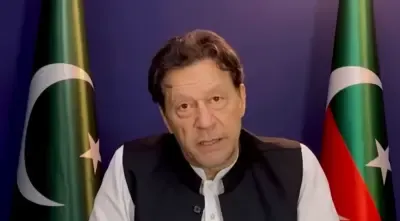
Recently, following Imran Khan's ouster in April 2022, relations between PTI and the security establishment have severely deteriorated.
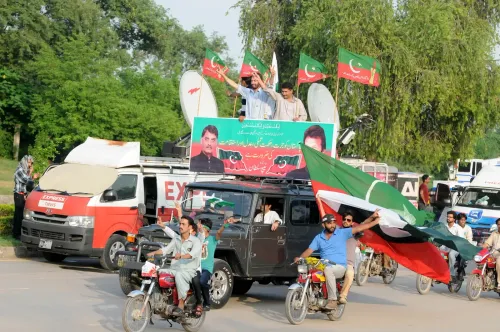
After extensive protests in May 2023, authorities initiated a widespread crackdown. Thousands of PTI supporters were arrested, military courts and anti-terror legislation were employed against demonstrators, and party offices faced raids.
Imran Khan was arrested in August 2023 and has since dealt with multiple criminal convictions and sentences across various cases, including notable corruption rulings set for 2025. Courts have issued lengthy prison terms; military and anti-terror tribunals have prosecuted PTI affiliates, while journalists and commentators associated with the movement have encountered harsh sentences, even in their absence.
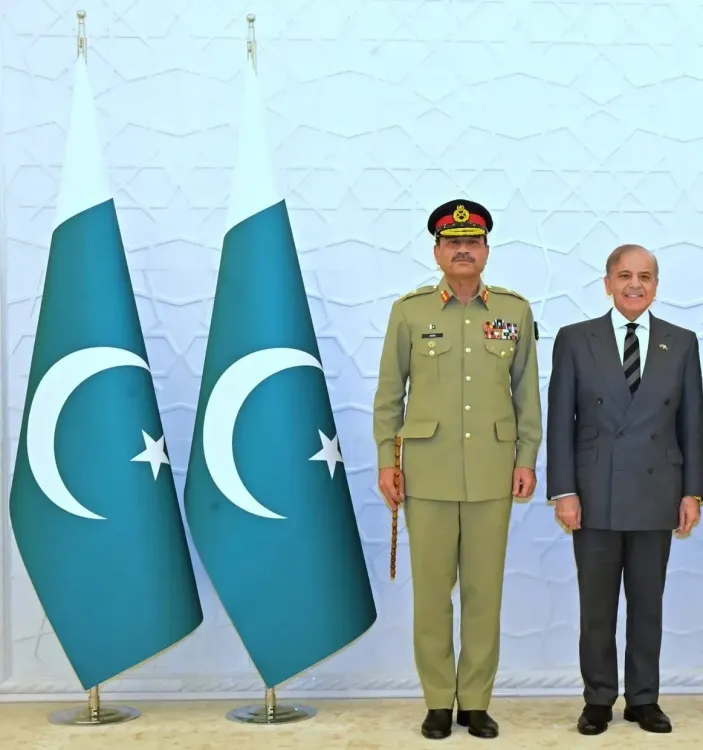
The campaign against PTI merged legal prosecution, administrative bans, and security operations to dismantle the party's organizational strength and dissuade mass mobilization. The application of military courts and anti-terror statutes for civilian trials has raised alarm among rights organizations regarding due process and the militarization of law enforcement. Concurrently, the military's public stance—frantically attempting to present itself as a defender of state institutions—has been bolstered by confrontational incidents with India and notable promotions indicating institutional consolidation.
During the unrest in May 2023, assaults on military facilities triggered sweeping prosecutions and military trials for alleged offenders. Imran Khan's numerous convictions and the 2025 Toshakhana-II sentence epitomize the legal pressure faced by PTI's leadership.
In the meantime, journalists and social media personalities tied to PTI have been penalized in high-profile instances, suppressing dissenting opinions.
Point of View
It is imperative to recognize the challenges facing Pakistan's democratic institutions. The military's intervention in civilian affairs, particularly against political leaders like Imran Khan, raises serious questions about governance and civil liberties. Upholding democracy should remain our collective priority, ensuring that the voices of the electorate are heard and respected.
NationPress
24 Sept 2026
Frequently Asked Questions
What actions have been taken against Imran Khan?
Imran Khan has faced multiple arrests, legal challenges, and significant pressure on his political party, PTI, from the military and civilian authorities.
How has the military influenced Pakistani politics historically?
The military has a long history of intervening in politics through coups, constitutional manipulations, and direct influence over government operations, affecting the democratic process.
What are the implications of military courts for civilians?
The use of military courts for civilian trials raises serious concerns regarding due process and the rights of individuals, leading to criticisms from human rights organizations.
Why is there concern about the treatment of PTI supporters?
The treatment of PTI supporters, including arrests and trials, indicates a broader crackdown on political dissent, which poses a threat to democratic freedoms.
What does the future hold for democracy in Pakistan?
The ongoing military influence suggests a precarious future for democracy in Pakistan, making it crucial for citizens and leaders to advocate for a return to civilian governance.