Why Can't Pakistan's Military Tolerate the Removal of Imran Khan?
Synopsis
As Pakistan's political-military situation worsens, the potential elimination of Imran Khan could trigger a nationwide crisis. With deep public mistrust and concerns over Punjab's reaction, the military faces significant challenges in navigating this unstable landscape.
Key Takeaways
Imran Khan's potential elimination could spark nationwide unrest.
Punjab's public sentiment is critical to military decisions.
Historical precedents affect current military strategies.
Public trust remains a vital element in Pakistan's political climate.
Imran Khan's broad support complicates his political situation.
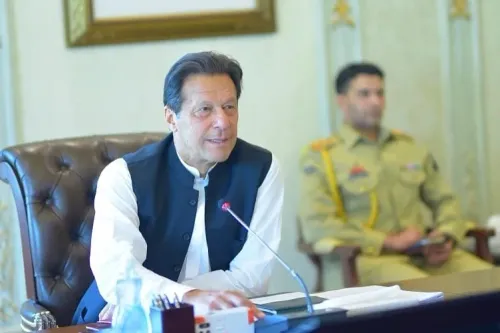
New Delhi, Dec 7 (NationPress) As the political-military landscape in Pakistan continues to unravel amidst ongoing security challenges from Afghanistan, Balochistan, and various non-state actors, coupled with significant political turmoil, numerous reports and analysts assert that Pakistan cannot risk the political fallout of eliminating former Prime Minister Imran Khan. This is in light of persistent speculation regarding his safety while in custody, which has stoked nationwide anxiety.
A report by The Diplomat indicates that the rampant rumors surrounding Imran Khan’s purported demise underscore the profound public distrust that characterizes Pakistan's current political environment.
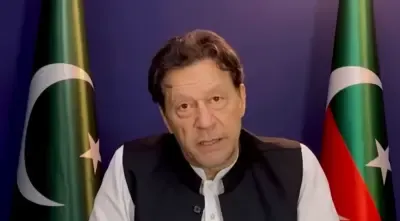
Officials have rebuffed these claims as fabricated misinformation; however, the prevailing atmosphere of suspicion mirrors the intense polarization surrounding the chief of Pakistan Tehreek-e-Insaf (PTI).
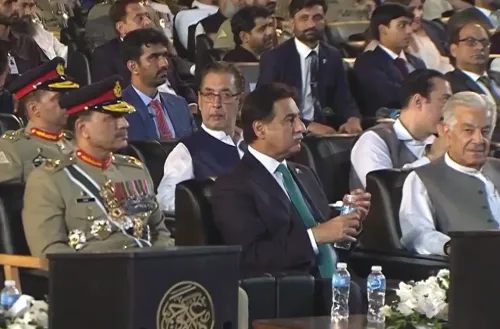
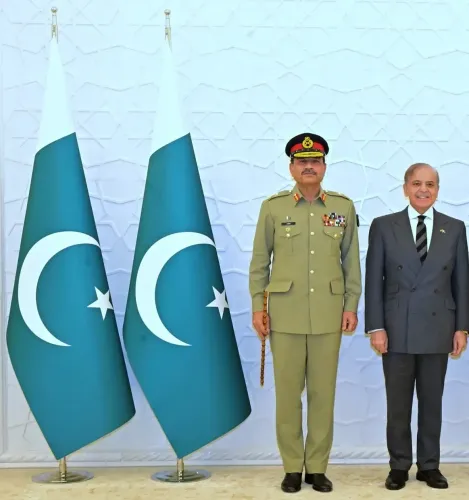
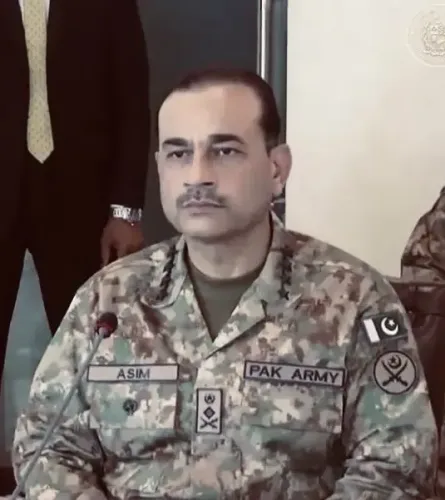
According to the report, Army Chief Field Marshal General Asim Munir is acutely aware of the disastrous repercussions that could ensue if such an action were taken.
Reflecting on Pakistan's recent history, it highlights how the military has faced the repercussions of high-stakes decisions, from General Pervez Musharraf's assassination of Baloch leader Nawab Akbar Bugti in 2006 to the Lal Masjid siege in 2007. These events continue to influence public resentment and insurgency dynamics.
Significantly, the analysis identifies Punjab as a crucial factor.
Punjab, being Pakistan's largest province, serves as its political core and the principal source for military recruitment.
The report stresses that the military cannot afford the backlash of permitting a Punjabi leader to perish in custody, referencing the case of former Prime Minister Nawaz Sharif, who was released on medical grounds in 2019 due to concerns about public outrage in the province.
While the state previously managed the fallout from Zulfikar Ali Bhutto's execution and Benazir Bhutto's assassination without triggering lasting unrest in Punjab, the circumstances surrounding Imran Khan present a different reality.
Even though he is ethnically Pashtun, Khan is entrenched in Punjab and enjoys broad support, especially among the tech-savvy youth.
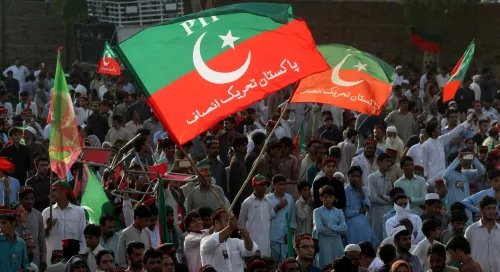
His apprehension in May 2023 incited unprecedented assaults on military installations—an outburst of fury that the report characterizes as unimaginable in prior periods.
Eliminating Imran Khan, it cautions, could potentially create a martyr with nationwide resonance, igniting political turmoil at a time when Pakistan's economy is already precarious.
Point of View
It is crucial to understand that the military's decision-making is heavily influenced by public sentiment and historical precedents. The potential fallout from the removal of a significant political figure like Imran Khan could have far-reaching consequences for Pakistan's stability. It is imperative that we remain vigilant and informed about these developments for the sake of the nation's future.
NationPress
20 Sept 2026
Frequently Asked Questions
What are the potential consequences of eliminating Imran Khan?
Eliminating Imran Khan could lead to widespread unrest, particularly in Punjab, where public sentiment is volatile. It could create a martyr out of Khan, igniting nationwide protests and political instability.
How does Punjab influence Pakistan's military decisions?
Punjab is Pakistan's largest province and serves as the political heartland and major recruitment source for the military. Any actions that provoke backlash in Punjab are taken very seriously by military officials.
What historical events shape the military's current approach?
Past incidents like the assassination of Nawab Akbar Bugti and the Lal Masjid siege have shown the military the consequences of high-risk decisions, leading to public resentment and insurgency.
Why is public trust a significant factor in Pakistan's politics?
Public trust is crucial because it directly affects stability and governance. The rampant distrust surrounding political figures can lead to unrest, making it essential for the military to navigate carefully.
How does Imran Khan's support base impact his political standing?
Imran Khan's support spans across ethnic lines, especially among young, digitally active citizens in Punjab. This cross-provincial appeal amplifies his significance in the political landscape.