Are Political and Ethnic Tensions Repeating in Pakistan?
Synopsis
Political instability in Pakistan is a recurring theme, with former Prime Ministers facing imprisonment and allegations. The current situation surrounding Imran Khan mirrors a historical pattern of political turmoil and military influence, raising questions about the future of democracy in the region.
Key Takeaways
Pakistan's Prime Ministers face significant challenges in completing their terms due to political and military dynamics.
Imran Khan's situation echoes historical patterns of political turmoil.
The military's influence remains a critical factor in Pakistani politics.
Ethnic tensions, particularly involving Pashtuns , play a role in the current political landscape.
Public mobilization and distrust are rising amidst these political crises.
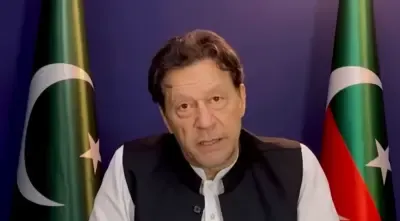
New Delhi, Dec 2 (NationPress) Whether through destiny or political maneuvering, or due to the influence of an incumbent military chief, Pakistan’s Prime Ministers have consistently struggled to complete their terms, including the current enigmatic case of Imran Khan.
This predicament was also shared by the imprisoned and rumored deceased former Premier, Shahid Khaqan Abbasi, who faced arrest on corruption charges in July 2019 under Imran Khan’s administration.
Abbasi was accused of granting a Liquefied Natural Gas (LNG) import contract in 2013 that purportedly inflicted financial damage on the government. His arrest coincided with Imran Khan’s “accountability drive” targeting opposition leaders, particularly from the Pakistan Muslim League-Nawaz.
This action was widely perceived as a public, legally contentious, and politically charged maneuver. The government, however, framed it as part of a crackdown on opposition figures, branding it as accountability, while critics labeled it as persecution.
By twist of fate or political design, Pakistan is witnessing a reenactment with altered players. Alongside Khan and Abbasi, at least three other former Prime Ministers have been imprisoned at different times: Zulfikar Ali Bhutto, his daughter Benazir, and Nawaz Sharif. The allegations have varied from political murder and graft to procurement irregularities and contempt or security-related issues. The repercussions have differed, ranging from execution, exile, disqualification, or cycles of release and re-arrest.
This recurring theme has earned the title of “one of the riskiest jobs in the world” for the office of Pakistan’s Prime Minister. The current episode is marked by Khan’s alleged near-total isolation and denied visits since last month, allegedly despite a court ruling for weekly access.
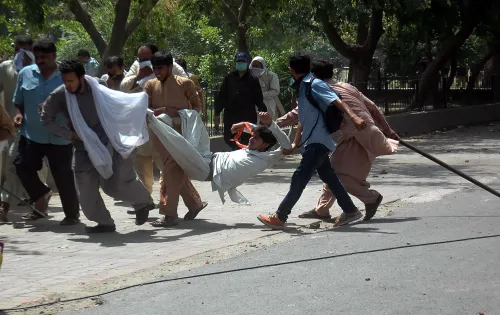
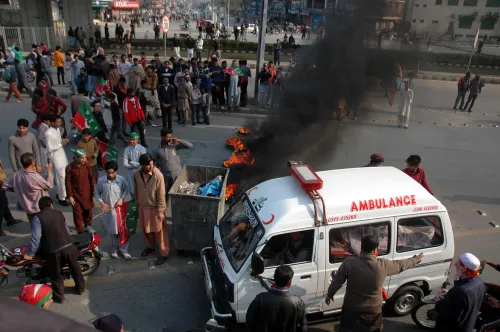
The authorities’ rejections of death rumors and declarations regarding his health contrast with his family's claims that something “irreversible” may be hidden. This has heightened public distrust and mobilization, prompting Pakistan to declare a red alert, sealing roads, banning gatherings, and focusing on the capital, Islamabad, and the nearby military town of Rawalpindi.
While the former is where the court is hearing Imran Khan’s case, the latter is home to the prison where he is being held. Rawalpindi’s backing has been vital for civilian administrations in Islamabad.
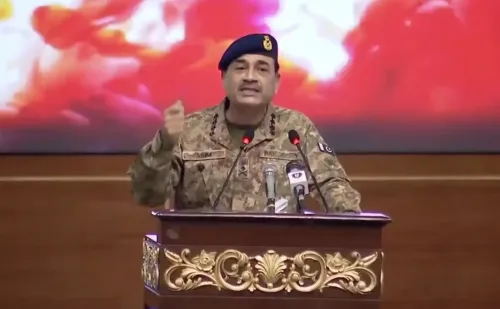
Zulfikar Ali Bhutto was detained following General Zia-ul-Haq’s coup in 1977, Nawaz Sharif was imprisoned during the coup led by General Pervez Musharraf in 1999, and now, Imran Khan’s detention is also being linked to his rivalry with General Asim Munir.
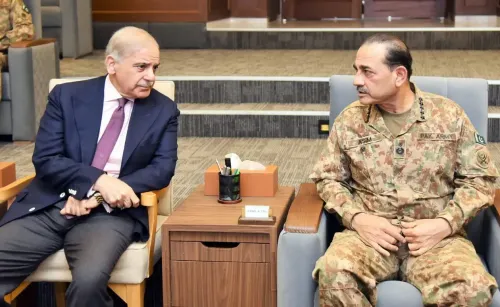
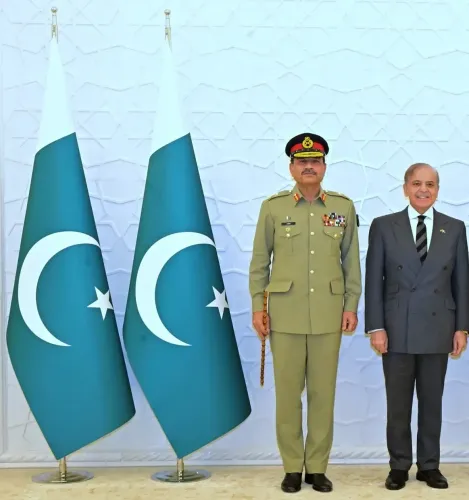
The current Prime Minister, Shehbaz Sharif, seems to favor maintaining a good relationship with Munir. However, Imran Khan had initiated his political ascent by suggesting some control over the military through protests against “generals.”
Eventually, a fallout resulted in a clash, with his supporters attacking military facilities and even vandalizing a general's residence. The military leadership then decided to retaliate, leading to Imran Khan's arrest.
Moreover, Khan’s personal rivalry with Munir reflects the nation’s ethnic and political discord. Munir, as the military chief, symbolizes the military establishment's dominance. In contrast, Khan, as a populist leader, has challenged this authority by rallying mass support, especially among Pashtuns and the urban middle class.
In 2019, Munir was removed from his position as the head of the Inter Services Intelligence (ISI)—a role often viewed as more significant than that of the army chief—under Imran Khan's rule.
The former Premier reportedly attempted to obstruct Munir’s advancement within the military, while Munir perceived Khan as undermining military supremacy. Many protesters also claim that Khan’s current challenges stem from the Punjabi-led military’s “oppression of a Pashtun leader.”
Historically, Pakistan’s military and bureaucracy have been dominated by Punjabis, leaving Pashtuns, represented symbolically by Khan, feeling marginalized.
As discontent and suspicion simmer, the nation—already grappling with economic hardships—is revisiting the volatile discussion surrounding the recurring fate of elected Prime Ministers at the mercy of military authority.
Point of View
It is vital to approach the ongoing political tensions in Pakistan with an unbiased perspective. The historical context of political instability and military influence needs careful examination to understand the implications for the nation’s future.
NationPress
16 Oct 2026
Frequently Asked Questions
Why have Pakistan's Prime Ministers struggled to complete their terms?
Political instability, military influence, and corruption allegations have historically hindered Prime Ministers in Pakistan from serving their full terms.
Who are some notable Prime Ministers that faced imprisonment?
Notable Prime Ministers include Zulfikar Ali Bhutto , Benazir Bhutto , Nawaz Sharif , and the current Imran Khan .
What is the significance of Imran Khan's current situation?
Imran Khan's current situation reflects ongoing political and military tensions, raising concerns about the future of democracy in Pakistan.