Does Democracy Have a Place in Pakistan?
Synopsis
India emphasizes the incompatibility of democracy and Pakistan amid political turmoil. With Imran Khan in prison facing severe charges, his party pleads for his family's visitation rights while highlighting his health concerns.
Key Takeaways
India asserts that democracy is incompatible with Pakistan.
Imran Khan has been imprisoned under serious charges.
Political instability continues to rise in Pakistan.
Health concerns for Imran Khan are escalating.
Calls for family visitation rights are growing.
New Delhi, Dec 8 (NationPress) - On Monday, India asserted that democracy and Pakistan are incompatible, emphasizing the ongoing political turmoil and persistent uncertainty in the neighboring nation, particularly in light of concerns regarding the health of former Prime Minister Imran Khan.
During a weekly press briefing, MEA spokesperson Randhir Jaiswal was asked about the situation surrounding the detention of Imran Khan and the protests occurring within Pakistan. He remarked, "We monitor every development in Pakistan closely. However, regarding democracy, it's evident that you believe ‘democracy in Pakistan is weakening and its foundations are eroding’. The fact remains that democracy and Pakistan do not coexist. It’s perhaps best to limit our discussions on this topic."
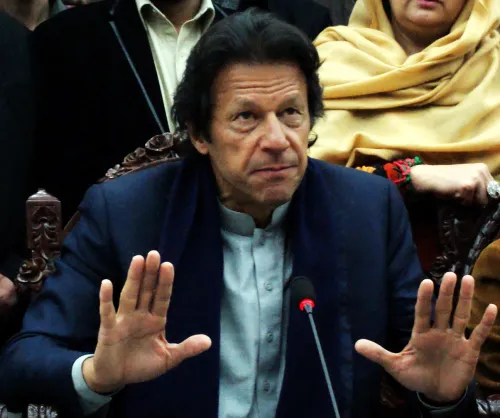
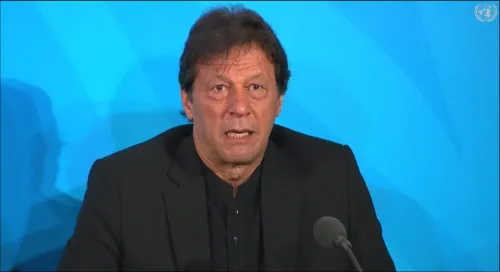
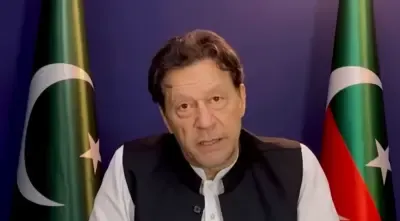
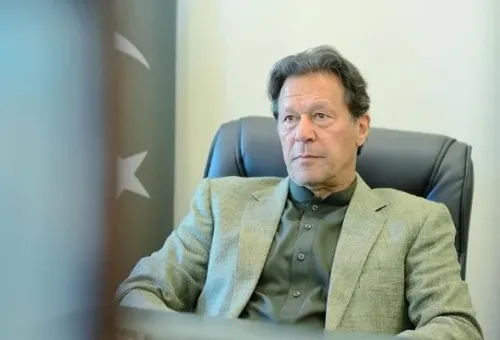
This statement was made amidst escalating political strife in Pakistan. Khan has been imprisoned since August 2023 and is facing multiple charges, including corruption and terrorism, following his removal from office via a no-confidence vote in 2022. His party, the Pakistan Tehreek-e-Insaf (PTI), has been advocating for the authorities to allow family members and party affiliates to visit him in Adiala Jail in Rawalpindi.
Recently, Khan submitted a request to the Islamabad High Court, seeking approval for medical assessments at the Shaukat Khanum Hospital. His petition demanded that the court mandate monthly medical evaluations for him at the hospital and ensure full access for medical teams to conduct examinations based on his medical history and current health status, as reported by The News International.
In his plea, Imran Khan requested that a copy of his medical report be shared with his family and submitted to the court. He stated that he is experiencing various medical issues and has been wrongfully convicted as part of a political vendetta orchestrated by the federal government.
On December 3, Imran Khan labeled Pakistan's Army Chief, Field Marshal Asim Munir, as a “mentally ill person,” accusing him of undermining the constitution of Pakistan.
In a message posted on X, Khan asserted, "Asim Munir is a mentally ill individual whose moral decay has entirely obliterated the constitution and the law in Pakistan, leaving the basic human rights of every Pakistani unprotected. My wife and I have been imprisoned on fabricated charges under the directives of Asim Munir and are enduring severe mental torture. I have been isolated in a cell, confined to solitary confinement, and have not interacted with anyone for four weeks, being kept entirely uninformed of the outside world, with even basic necessities as outlined by the prison manual denied to me."
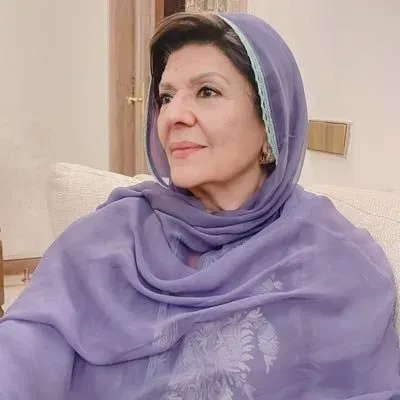
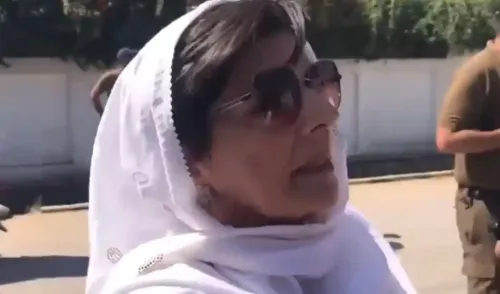
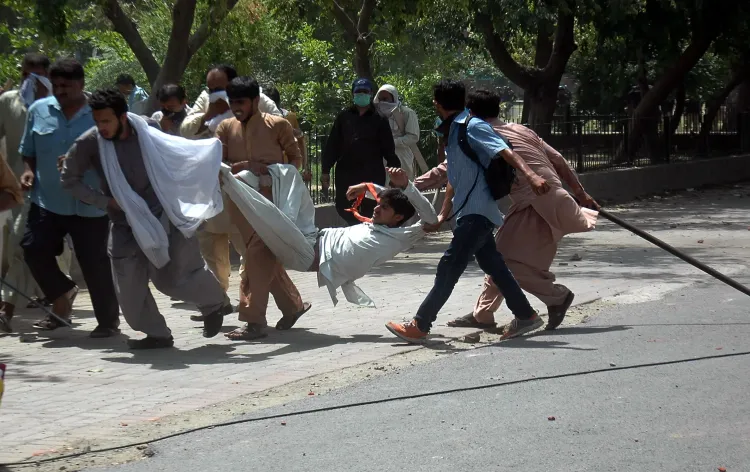
Khan further stated, "Despite the High Court's orders, my meetings with political colleagues have been prohibited, and now, meetings with my lawyers and family members have also been barred. According to any human rights charter, mental torture is classified as 'torture' and is considered a more egregious offense than physical torture. My sister, Noreen Niazi, was dragged into the street merely for exercising her rightful claim to visit me."
On December 2, Khan's sister, Uzma Khanum, reported that while his health is “fine,” he continues to endure mental suffering.
After visiting Khan at Adiala Jail, Uzma Khanum told reporters, "Imran Khan’s health is stable. However, he expressed his anger over the mental torture he is undergoing. He remains confined to his room for most of the day, with limited time to step outside, and has no communication with anyone."
Her comments came after authorities at Adiala Jail permitted Khanum to meet her brother after multiple refusals to allow family members and party leaders to visit him.
Point of View
It is crucial to recognize the ongoing political instability in Pakistan and how it reflects the larger issues of governance and human rights. The situation surrounding Imran Khan raises significant questions about democracy's viability in the region. Our commitment remains with the nation and its principles.
NationPress
8 Oct 2026
Frequently Asked Questions
Why is Imran Khan in prison?
Imran Khan is imprisoned due to multiple charges, including corruption and terrorism, following his ouster from power in 2022.
What is the current political situation in Pakistan?
Pakistan is experiencing significant political turmoil, with ongoing protests and uncertainty regarding its democratic processes.
What health issues is Imran Khan facing?
Khan is reportedly suffering from various medical issues and has requested medical evaluations while in prison.
What has been the response from India regarding Pakistan's democracy?
India has stated that democracy and Pakistan do not coexist, highlighting the ongoing political instability in the country.
What are the implications of the current crisis in Pakistan?
The crisis could lead to significant changes in governance and human rights practices in Pakistan, with potential regional impacts.