Pakistan risks losing EU duty-free GSP+ access over human rights failures
Synopsis
Pakistan's most valuable trade arrangement — EU GSP+ duty-free access worth 7.5 billion euros in 2024 exports — is under serious threat, with the National Assembly's own finance committee chairman contradicting the government's reassurances. The EU's latest monitoring report documents regression on human rights, enforced disappearances, and press freedom, raising the prospect of a devastating tariff shock for Pakistan's export-dependent economy.
Key Takeaways
Syed Naveed Qamar , Chairman of Pakistan's National Assembly Standing Committee on Finance , warned that the country's GSP+ status is 'in the doldrums' due to human rights issues.
Pakistan recorded 7.5 billion euros in exports to the EU under preferential GSP+ tariffs in 2024 , making it the scheme's top beneficiary .
The EU's fifth GSP monitoring report found Pakistan regressed on human rights during the 2023–2025 period, with positive change described as limited.
The current scheme runs until December 2028 ; Pakistan is preparing an application for the new scheme from January 2029 .
Revised EU GSP rules from 2027 will require stronger accountability on enforced disappearances, torture, capital punishment, and freedom of expression.
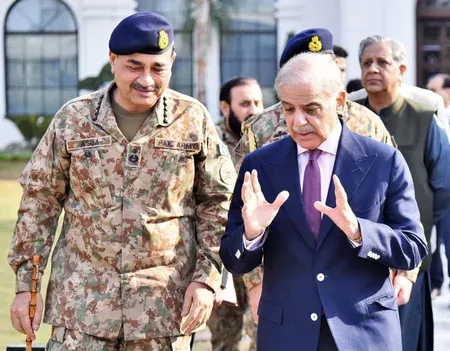
Pakistan faces a credible risk of losing its duty-free access to the European Union (EU) market under the Generalised Scheme of Preferences Plus (GSP+), with a senior parliamentary official warning that deteriorating human rights conditions could jeopardise the country's most critical trade lifeline. Syed Naveed Qamar, Chairman of the National Assembly Standing Committee on Finance and a former finance and commerce minister, sounded the alarm while chairing the committee, even as the government separately insisted no immediate threat existed.
The Warning From Parliament
'We are getting signals that the GSP+ status is in the doldrums because of human rights issues,' Qamar said during the committee session. His remarks stand in sharp contrast to the government's public reassurances, exposing a disconnect between official messaging and ground-level parliamentary assessment. The statement was reported by the Karachi-based Express Tribune.
What the EU Monitoring Report Found
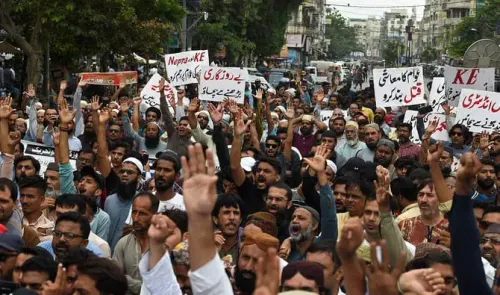
The latest EU monitoring report on the GSP+ scheme — the fifth of its kind — documented widespread human rights and fundamental rights violations, a weakening judicial system, and curbs on freedom of expression across beneficiary countries, including Pakistan. It specifically noted that Pakistan has regressed in several areas during the 2023–2025 monitoring period, with positive change described as limited. The report called for amendments or repeal of laws on blasphemy, cybercrime (including PECA), defamation, counterterrorism, and sedition. Notably, it underlined the need for robust steps to reverse negative trends on enforced disappearances and freedom of expression.
What Is at Stake for Pakistan
Pakistan was the top beneficiary of the EU's GSP+ trade scheme in 2024, recording 7.5 billion euros in exports to the bloc under preferential tariffs. The current scheme runs until December 2028. Minister of State for Finance and Revenue Bilal Kayani told the committee that a deputy prime minister-led committee is already preparing an application to qualify for the new scheme from January 2029. Critics, however, argue that the application process is meaningless unless underlying human rights concerns are addressed substantively.
EU's Revised Priorities From 2027
Under revised GSP rules taking effect from 2027, the EU has outlined key priorities for future engagement: accountability for human rights violations, intensified efforts against torture, reforms in prison conditions and capital punishment, and reversing negative developments on enforced disappearances and freedom of expression. These benchmarks represent a significantly raised bar for Pakistan's continued preferential access.
The Broader Economic Context
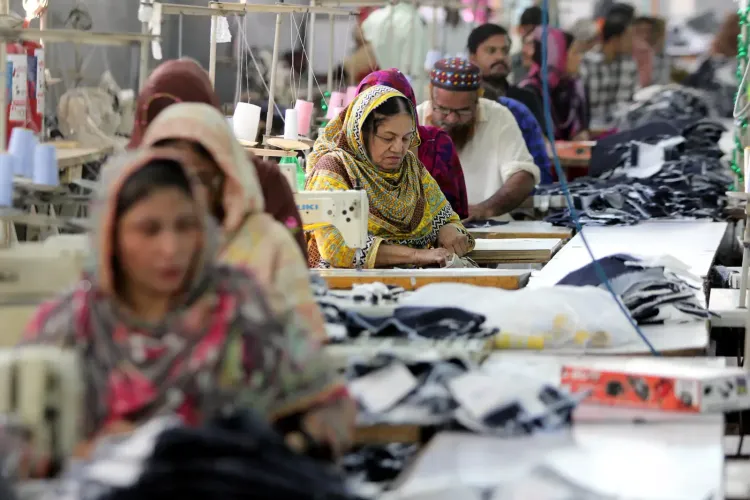
The GSP+ trade status is structurally vital for Pakistan, which has been unable to achieve meaningful export diversification or growth despite decades of tariff protection and fiscal incentives for exporters. Loss of preferential access would directly expose Pakistani goods — particularly textiles — to standard EU tariffs, sharply eroding their price competitiveness. This comes amid Pakistan's ongoing macroeconomic fragility, making the trade stakes even higher. How the government navigates the gap between its diplomatic assurances and the parliamentary warnings will be closely watched in coming months.
Point of View
The cost of continued inaction is quantifiable; yet laws on blasphemy, PECA, and sedition that the EU has explicitly flagged remain on the books. The window to demonstrate credible reform before the 2029 application cycle is narrow, and Pakistan's track record on GSP compliance during 2023–2025 — described as regressive — suggests the government is treating a structural problem as a communications challenge.
NationPress
5 Nov 2026
Frequently Asked Questions
What is the EU's GSP+ scheme and why does it matter to Pakistan?
The EU's Generalised Scheme of Preferences Plus (GSP+ ) grants duty-free access to the European market to developing countries that commit to 27 international core conventions on human rights, labour, and governance. For Pakistan, it underpinned 7.5 billion euros in exports to the EU in 2024, making it the scheme's single largest beneficiary.
Why is Pakistan at risk of losing its GSP+ status?
The EU's fifth GSP monitoring report found that Pakistan regressed on multiple human rights indicators during 2023–2025, including enforced disappearances, freedom of expression, and judicial independence. It called for amendments to laws on blasphemy, cybercrime (PECA), defamation, counterterrorism, and sedition — none of which have been substantially reformed.
When does the current GSP+ scheme expire and what happens next?
The current GSP+ arrangement runs until December 2028. Pakistan's government has formed a deputy prime minister-led committee to prepare an application for the new scheme starting January 2029, though that application will be assessed against the EU's revised, stricter benchmarks from 2027 onwards.
What did Pakistan's National Assembly committee chairman say about the threat?
Syed Naveed Qamar, Chairman of the National Assembly Standing Committee on Finance, said during a committee session that Pakistan was 'getting signals that the GSP+ status is in the doldrums because of human rights issues.' His warning directly contradicts the government's public position that there is no immediate threat.
What would losing GSP+ access mean for Pakistan's economy?
Loss of GSP+ would expose Pakistani exports — particularly textiles, which dominate the EU trade volume — to standard EU tariff rates, significantly eroding their price competitiveness. Given Pakistan's inability to grow exports substantially despite decades of fiscal incentives, the removal of preferential access could deliver a severe shock to an already fragile external account.