Pakistan imposes emergency in Khyber Pakhtunkhwa, ousts PTI government
Synopsis
Pakistan's civil-military government has imposed an emergency in Khyber Pakhtunkhwa, ousting the elected PTI administration — a move critics are calling a 'coup disguised as emergency.' With Imran Khan still imprisoned and PTI supporters marching on Islamabad, the action has deepened concerns about military overreach, provincial autonomy, and the future of democratic governance in Pakistan.
Key Takeaways
Pakistan's federal government imposed an emergency in Khyber Pakhtunkhwa , suspending the PTI -led elected provincial government.
The Pakistan army has assumed administrative control of the province, citing security concerns over alleged militant links with PTI .
PTI spokesperson Zulfikar Bukhari called the action a 'coup disguised as emergency' and condemned the arrest of Chief Minister Sohail Afridi and Junaid Akbar .
PTI chairman Gohar Ali Khan described the move as 'a political mistake and undemocratic,' posting his condemnation on X .
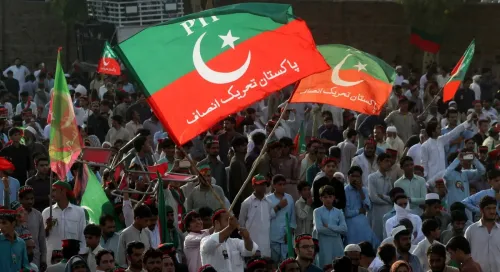
The action came as PTI supporters were conducting a long march to Islamabad demanding the release of former Prime Minister Imran Khan .
Analysts warn the move will increase volatility in Khyber Pakhtunkhwa and deepen Pakistan's political instability, while damaging its credibility with the international community.
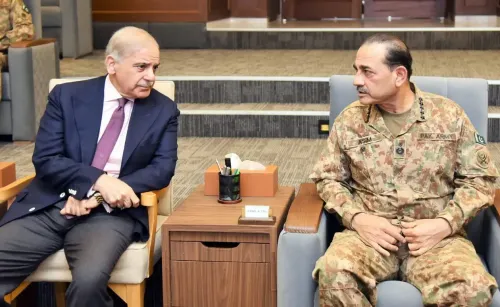
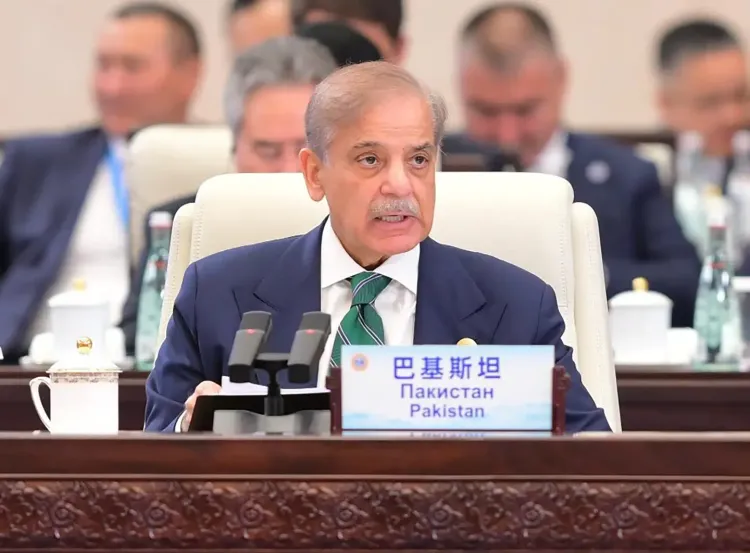
Pakistan's federal government has imposed an emergency in Khyber Pakhtunkhwa, suspending the elected Pakistan Tehreek-e-Insaf (PTI)-led provincial administration and handing control to the military — a move that analysts and opposition leaders say exposes a deepening administrative failure and signals a further erosion of civilian democratic norms in the country.
What the Emergency Means
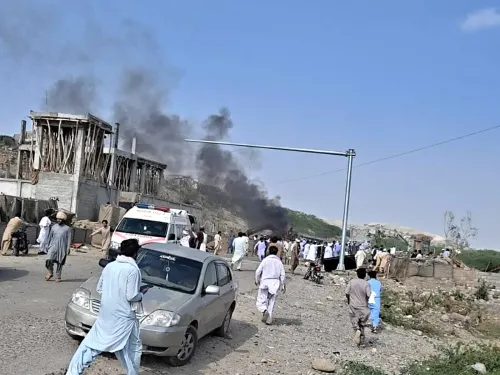
The imposition of emergency and Governor's rule effectively removed the PTI-led provincial government from power. The Pakistan army has taken administrative control of Khyber Pakhtunkhwa, citing security concerns rooted in the province's prolonged history of militant violence. However, according to a report in Sri Lankan media outlet Daily Mirror, the federal government has so far failed to present credible evidence of alleged collusion between PTI and militant groups — a central justification offered for the drastic step.
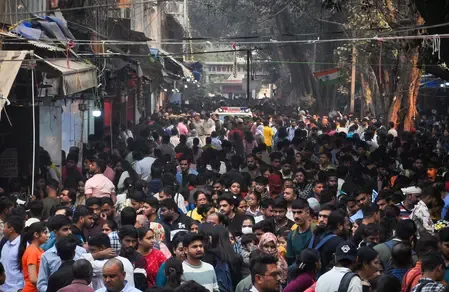
The decision came as PTI supporters were conducting a long march towards Islamabad, demanding the release of imprisoned former Prime Minister Imran Khan and the restoration of constitutional supremacy.
Opposition Condemns the Move
PTI spokesperson Zulfikar Bukhari sharply condemned the action, calling it a 'coup disguised as emergency.' In a post on X, Bukhari wrote: 'Strongly condemn the arrest of the only mandated Chief Minister Sohail Afridi and of Junaid Akbar. This coup disguised as emergency or Governor rule has squashed the only little bit of democracy left in Pakistan. Further instability and collateral damage to follow. The regime must be feeling very proud.'
PTI chairman Gohar Ali Khan also posted on X, describing the federal government's action as 'a political mistake and undemocratic.' He stated: 'We strongly condemn the imposition of emergency in the province in the strongest terms and completely reject this action. This is an extremely alarming and grave political mistake and an undemocratic measure — the people will never accept such actions against their rights.' Khan emphasised that while there is broad consensus on fighting terrorism, it cannot serve as a pretext to suppress political voices or override a province's constitutional authority.
Military's Growing Role and Constitutional Concerns
The Daily Mirror report highlighted the broader significance of the emergency, noting that it reflects the military's expanding grip over civilian governance. It pointed specifically to the 27th Constitutional Amendment of November 2025, which critics argue has concentrated political and military authority under Army Chief General Asim Munir's leadership, enabling him to 'evade civilian and judicial accountability,' according to the report.
'The demand for the restoration of constitutional supremacy is a direct challenge to the Pakistani army's political authority, institutional autonomy, and its growing influence over the civilian government,' the report noted. 'It questions the concentration of political and military authority under Munir's leadership.'
This comes amid a wider pattern of democratic backsliding in Pakistan, where civilian governments have historically operated under the shadow of military influence. The suspension of an elected provincial government on contested security grounds is being viewed by analysts as a significant new step in that trajectory.
What Happens Next
With the military now administering Khyber Pakhtunkhwa, it faces the burden of proving its security rationale by visibly reducing militant violence in the region. Failure to do so would further undermine the legitimacy of the emergency, analysts warn. The report noted that the suspension of the elected government is likely to intensify confrontation between PTI supporters and Pakistan's civil-military establishment, heightening both provincial volatility and national political instability. The international community, it added, will be difficult to convince of the genuineness of the security crisis.
Point of View
Coinciding with a PTI march on Islamabad over Imran Khan's imprisonment, is too convenient to ignore. The federal government's failure to produce credible evidence of PTI-militant collusion is the tell: when the legal case is weak, the narrative leans on vague security threats. The reference to the 27th Constitutional Amendment of November 2025 is the deeper story here — it suggests the military has been methodically insulating its authority from civilian and judicial scrutiny, with the Khyber Pakhtunkhwa emergency as merely the latest operational expression of that project. The burden now falls on the army to demonstrate reduced violence in the province; if it cannot, even the security pretext collapses.
NationPress
26 Oct 2026
Frequently Asked Questions
Why has Pakistan imposed an emergency in Khyber Pakhtunkhwa?
The Pakistan federal government imposed an emergency in Khyber Pakhtunkhwa citing security concerns, including alleged links between the PTI-led provincial government and militant groups. However, critics and analysts note that the government has not provided concrete evidence of such collusion, and the timing — coinciding with a PTI long march to Islamabad — suggests political motivations.
What has happened to the PTI government in Khyber Pakhtunkhwa?
The PTI-led elected provincial government has been suspended under Governor's rule as part of the emergency declaration. Chief Minister Sohail Afridi and PTI's Junaid Akbar were reportedly arrested, with PTI calling the move a 'coup disguised as emergency.'
How has PTI responded to the emergency declaration?
PTI has strongly condemned the move. Spokesperson Zulfikar Bukhari called it a 'coup disguised as emergency' in a post on X, while PTI chairman Gohar Ali Khan described it as 'a political mistake and undemocratic,' saying the people would never accept such actions against their rights.
What is the significance of the 27th Constitutional Amendment in this context?
The 27th Constitutional Amendment, passed in November 2025, is cited by analysts as having concentrated political and military authority under Army Chief General Asim Munir's leadership, raising concerns about reduced civilian and judicial oversight of the military. The Khyber Pakhtunkhwa emergency is seen as consistent with this broader pattern of expanding military influence.
What are the likely consequences of the emergency for Pakistan?
Analysts warn the suspension of the elected Khyber Pakhtunkhwa government is likely to intensify confrontation between PTI supporters and Pakistan's civil-military establishment, increase provincial volatility, and deepen overall political instability. Pakistan will also find it difficult to justify the move to the international community without credible evidence of a security crisis.