Pakistan juvenile justice: Law on paper, failure in practice — Report
Synopsis
Pakistan's Juvenile Justice System Act of 2018 promises rehabilitation — but 89% of juveniles are awaiting trial, 79% report severe beatings in custody, and most districts still lack juvenile courts. A damning new report argues that without real political will, the law remains ink on paper while children are being turned into hardened criminals by the very system meant to save them.
Key Takeaways
Pakistan's Juvenile Justice System Act (2018) mandates rehabilitation, but meaningful implementation remains absent across most districts.
Around 89 per cent of all juveniles in Pakistan are currently awaiting trial, according to the report.
79 per cent of juveniles reported severe beatings in custody, per interviews by Justice Project Pakistan ; 36 per cent witnessed others being tortured.
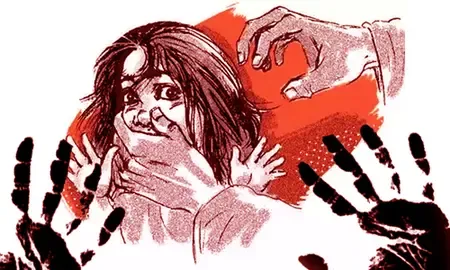
At least 2,003 child sexual abuse cases were registered in Pakistan, with Punjab alone accounting for 1,549 , according to the 2025 Cruel Numbers report by Sahil .
More than 4,200 children reportedly experienced sexual violence in 2024 , with most cases going unreported.
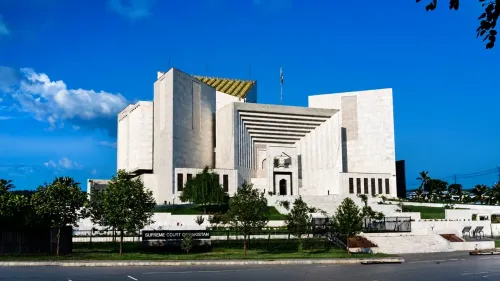
Pakistan's Chief Justice held a high-level meeting with Chief Ministers on juvenile rehabilitation, but critics say it has not produced on-ground change.
Pakistan's juvenile rehabilitation framework exists largely as legislation without enforcement, with young offenders routinely denied the protections the law promises, according to a detailed report published in The Friday Times. Despite landmark statutes and high-level political meetings, the gap between policy and practice continues to trap vulnerable youth in a cycle the system claims to break.
What the Law Says vs. What Happens
The Juvenile Justice System Act (2018) places rehabilitation at the centre of how Pakistan handles young offenders, prioritising it over retribution and guaranteeing legal protections for children. Yet in practice, many districts across Pakistan still lack dedicated juvenile courts, probation officers, and separate detention facilities. Critically, some juveniles are denied legal representation — a right the state itself is bound to provide. According to the report, around 89 per cent of all juveniles in Pakistan are currently awaiting trial, with wealthier detainees able to secure release while those without means remain incarcerated.
Abuse, Overcrowding and a System That Hardens, Not Heals
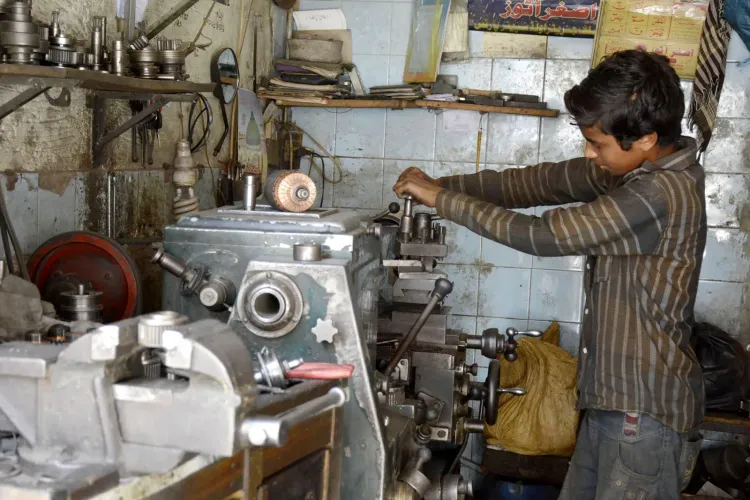
Studies conducted by the LUMS Centre of Business and Society indicate that juveniles in Pakistani detention face abuse, overcrowding, and a near-total absence of educational support — conditions that reinforce delinquent behaviour rather than correct it. Interviews carried out by Justice Project Pakistan found that 79 per cent of juveniles reported severe beatings, while 36 per cent witnessed others being tortured. The report concludes that a system designed to rehabilitate is instead converting children held for petty offences into hardened criminals.
Political Will: Present in Meetings, Absent in Implementation
Pakistan's Chief Justice recently chaired a high-level meeting with several Chief Ministers specifically on juvenile rehabilitation — a signal of institutional awareness. Yet the report argues that awareness has not translated into action. 'The Friday Times' report stated: 'While Pakistan's legislative reforms reflect a growing commitment towards juvenile rehabilitation, laws alone are insufficient. Meaningful progress requires implementation, commitment, and consistent political will. Without this, juvenile rehabilitation will only remain a mere law passed on paper with little actual effect.'
Wider Child Safety Crisis
The juvenile detention problem sits within a broader child safety emergency. A separate report from July 2025 flagged that Pakistan continues to grapple with widespread crimes against children amid long-overdue criminal justice reforms and a poor conviction rate. Citing the 2025 Cruel Numbers report from Sahil, an Islamabad-based organisation that monitors gender-based violence, at least 2,003 child sexual abuse cases were registered across Pakistan in the covered period. Punjab recorded the highest number with 1,549 cases, followed by Sindh with 330, Khyber Pakhtunkhwa with 91, and 33 cases in other regions. More than 4,200 children reportedly experienced sexual violence in 2024, with the majority of cases going unreported.
An Editorial Warning: A 'Ticking Time Bomb'
An editorial in Pakistani daily Dawn warned that state inaction on child safety constitutes a 'ticking time bomb' for younger generations. 'Crimes against children are endemic because reforms in the criminal justice system are overdue and the conviction rate is pitiful,' the editorial noted, adding that despite helplines, laws, and public censure from officials and activists, child safety 'remains in shambles.' The Friday Times report echoes this urgency, arguing that investing in rehabilitation is 'not an act of charity' but a national necessity for a country whose future depends on whether its most vulnerable youth are given the tools to rebuild their lives.
Point of View
Not mere underfunding. High-level meetings chaired by the Chief Justice are a political signal, not a solution; the absence of probation officers and legal aid at the district level is where the system actually breaks down. The child abuse data from Sahil — over 4,200 cases in 2024 alone, most unreported — points to a broader accountability deficit that juvenile justice reform alone cannot fix. Pakistan's political class has repeatedly demonstrated the capacity to pass progressive legislation; the test now is whether any administration will absorb the political cost of enforcing it.
NationPress
25 Sept 2026
Frequently Asked Questions
What is the Juvenile Justice System Act 2018 in Pakistan?
The Juvenile Justice System Act (2018) is a Pakistani law that prioritises rehabilitation over punishment for young offenders, guaranteeing them legal protections including the right to legal representation and separate detention facilities. In practice, however, a report in The Friday Times found that implementation is severely limited, with most districts lacking the required courts and officers.
Why is juvenile rehabilitation failing in Pakistan?
According to the report, juvenile rehabilitation is failing because many districts lack dedicated juvenile courts, probation officers, and separate holding facilities. Around 89 per cent of juveniles are awaiting trial, and 79 per cent reported severe beatings in custody, indicating that detention conditions worsen rather than rehabilitate young offenders.
How widespread is child abuse in Pakistan?
The 2025 Cruel Numbers report by Sahil recorded at least 2,003 child sexual abuse cases in Pakistan, with Punjab accounting for 1,549. More than 4,200 children reportedly experienced sexual violence in 2024, with the majority of cases going unreported due to systemic barriers and social stigma.
Who is affected by Pakistan's juvenile justice failures?
The system disproportionately harms juveniles from low-income backgrounds — wealthier detainees are able to secure release, while those without financial resources remain in overcrowded, abusive facilities. Children held for petty offences are particularly at risk of being radicalised or hardened by their detention experience.
What have Pakistani authorities done to address juvenile rehabilitation?
Pakistan's Chief Justice recently chaired a high-level meeting with several Chief Ministers on juvenile rehabilitation, signalling institutional awareness of the problem. However, critics and the report both argue that these meetings have not translated into ground-level improvements in court infrastructure, legal aid, or detention conditions.