Global Backlash Against Pakistan's Defence Minister Over Israel Remarks
Synopsis
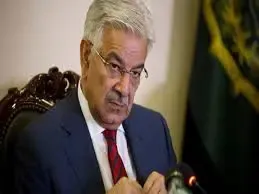
The recent inflammatory comments by Pakistan's Defence Minister Khawaja Muhammad Asif regarding Israel have ignited international outcry, jeopardizing Pakistan's role as a mediator in critical US-Iran talks. As condemnation pours in, the stakes for regional diplomacy are higher than ever.
Key Takeaways
Pakistan's Defence Minister made controversial remarks about Israel, drawing global condemnation.
The comments threaten Pakistan's role as a mediator in US-Iran discussions.
International reactions highlight the sensitivity of the current geopolitical climate.
Concerns about neutrality have been raised due to the timing of the statements.
Preparations for talks in Islamabad continue despite the controversy.
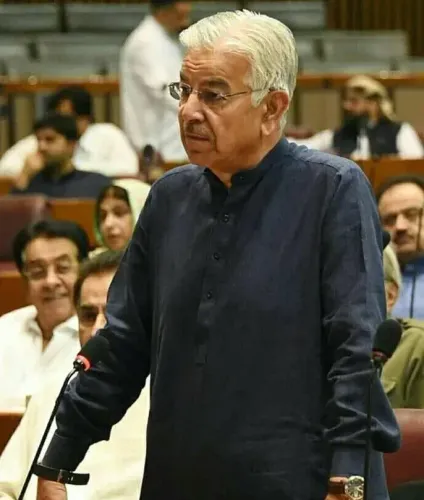
Washington, April 10 (NationPress) A new diplomatic crisis has unfolded following Pakistan's Defence Minister Khawaja Muhammad Asif's controversial statements regarding Israel, which have been met with immediate backlash from Israeli officials, US legislators, and analysts at a crucial time for ongoing ceasefire negotiations.
Asif expressed on X that “Israel embodies evil and is a plague on humanity,” accusing the nation of “genocide in Lebanon” and claiming that “innocent lives are being taken by Israel, first in Gaza, then in Iran, and now in Lebanon.” He further stated: “I hope and pray that the architects of this malignant state on Palestinian soil, created to expel European Jews, face severe consequences.”
These remarks were made just days before significant diplomatic discussions in Islamabad, where Pakistan is set to facilitate talks between the US and Iran, amid rising tensions in the region.
In response, Israel's Prime Minister's Office declared: “The call from Pakistan’s Defence Minister for the destruction of Israel is intolerable. Such statements from any government, let alone one purporting to be a neutral mediator for peace, are unacceptable.”
US Congressman Josh Gottheimer also condemned the comments, labeling them as “disgraceful rhetoric aimed at Jews and Israel.” He remarked: “Such hateful speech is utterly unacceptable and counterproductive during this delicate period. This does not represent diplomacy and warrants condemnation.”
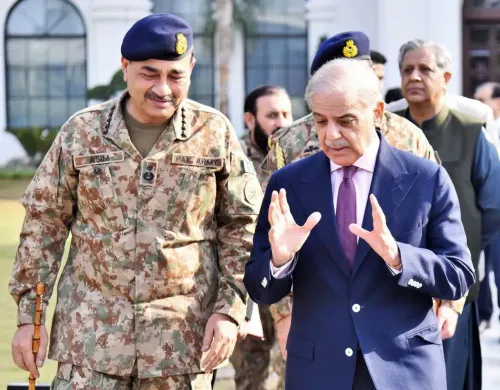
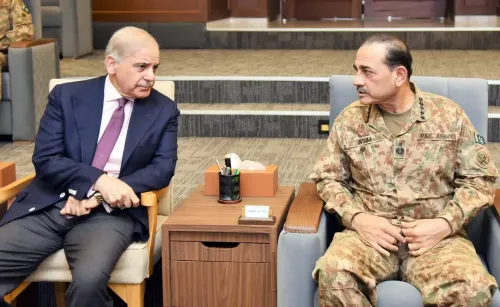
This controversy casts doubt on Pakistan’s ability to serve effectively as a mediator. The country has been striving to position itself as a neutral ground for discussions between the US and Iran amid increasing regional instability.
Further criticism arose from various commentators, including Emily Schrader, who called the statements a “diatribe fueled by anti-Semitism,” emphasizing Asif’s statement about Israel being a curse for humanity. She asserted: “Pakistan cannot be seen as an impartial mediator.”
Former US official Ellie Cohanim expressed skepticism about Islamabad’s capacity to mediate, stating: “Many were alarmed at the prospect of a country that sheltered the mastermind behind 9/11 serving in any mediatory capacity.” She added that “with this statement, Pakistan has undermined any semblance of neutrality.”
Observers have noted that the timing of Asif’s remarks—while delegations were arriving and security protocols were being established—raises serious concerns about the host nation’s perceived impartiality.
The comments also followed earlier confusion regarding a ceasefire declaration linked to Pakistan’s leadership, which had suggested that the ceasefire would apply “everywhere including Lebanon,” a claim that was later refuted by Israel, which clarified that Lebanon was not part of this agreement.
Israel has maintained that its operations in Lebanon are distinct from the broader ceasefire context. The Israeli military has continued its actions against Hezbollah, including a significant bombardment reported on April 8.
The unfolding situation—marked by ambiguous ceasefire declarations and the Defence Minister’s inflammatory comments—has fueled criticisms that Pakistan’s role as a mediator is being seriously compromised at a pivotal moment.
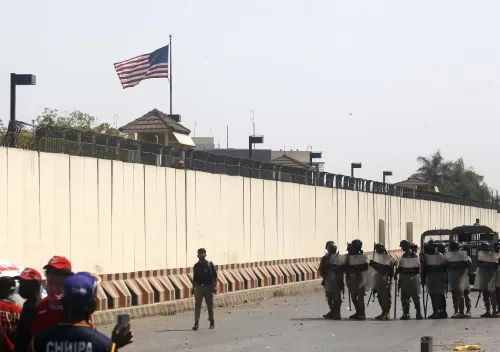
Despite this storm of controversy, preparations for the talks in Islamabad are proceeding, with rigorous security measures in place and international delegations already present.
The stakes in this diplomatic engagement are extremely high, with these discussions being hailed as one of the most crucial US-Iran dialogues in decades, as regional stability hangs in the balance.
Point of View
This development highlights the precarious nature of diplomacy in a region rife with tensions. Pakistan's ambition to serve as a mediator is now under scrutiny, raising critical questions about the efficacy of its approach and its standing in the international community.
NationPress
22 Sept 2026
Frequently Asked Questions
What did Khawaja Muhammad Asif say about Israel?
He described Israel as 'evil' and accused it of committing genocide in Lebanon, along with inflammatory remarks about its creation.
How did international leaders respond?
Israeli officials and US lawmakers condemned Asif's statements, calling them unacceptable and hateful.
What are the implications for Pakistan's role in mediation?
These comments have raised concerns about Pakistan's neutrality and effectiveness as a mediator in US-Iran talks.
When are the US-Iran talks scheduled to take place?
The talks are set to occur shortly after Asif's controversial remarks, at a critical time for regional diplomacy.
What has been the reaction from commentators?
Commentators have criticized Asif's remarks as anti-Semitic and have questioned Pakistan's impartiality in mediation efforts.