Pakistan's illegal organ trade: FIA busts Islamabad hospital, 9 arrested
Synopsis
Pakistan's FIA arrested nine people — including a prominent urologist — in an Islamabad hospital raid, cracking open an organ trafficking network that allegedly lured desperately poor victims from southern Punjab and sold their kidneys to wealthy foreign clients. The bust exposes a trade structurally rooted in class exploitation, bonded labour, and systemic impunity that periodic raids have consistently failed to dismantle.
Key Takeaways
The FIA raided a prominent private hospital in Islamabad , arresting nine people including a well-known urologist.
The network allegedly recruited victims from impoverished districts of Rahim Yar Khan and Dera Ghazi Khan in southern Punjab .
A labourer was reportedly kidnapped in Rawalpindi and his kidney stolen for sale to a 'wealthy foreign patient.' One gang offered 'packages' to clients mostly from the Middle East , combining hotel stays with basement surgeries.
Brick kiln workers are reportedly lured into organ deals to clear debts, then underpaid and trapped in renewed debt cycles.
Analysts warn the trade will persist without stronger international enforcement and cooperation, according to The Diplomat .
Pakistan's illegal organ trade continues to devastate the country's most vulnerable citizens, with the Federal Investigation Agency (FIA) recently raiding a prominent private hospital in Islamabad and arresting nine people — including a well-known urologist — in one of the most significant crackdowns on organ trafficking networks in recent memory. The raid has once again exposed how the country's poorest citizens are being systematically exploited as what critics describe as 'spare parts for the rich.'
The Islamabad Raid and What It Uncovered
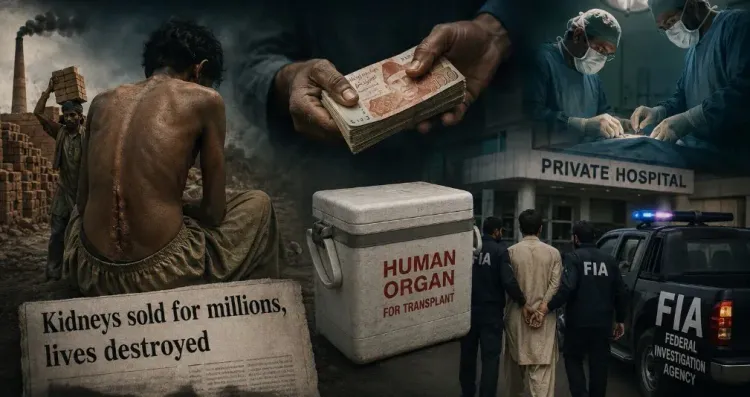
The FIA operation at the Islamabad hospital dismantled a network that allegedly lured victims from the impoverished southern Punjab districts of Rahim Yar Khan and Dera Ghazi Khan, exploiting their financial desperation for 'paltry sums' before selling their kidneys for millions of rupees, according to reports. The arrested individuals include a prominent urologist whose involvement signals the complicity of medical professionals in sustaining these networks.
Notably, authorities have carried out periodic raids and arrests over the years, yet the illegal kidney trade persists — with numerous victims reportedly losing their organs, at times without their knowledge or consent.
Sophisticated Trafficking Networks Targeting Foreign Clients
The scale of the operation extends well beyond opportunistic exploitation. Earlier this year, a labourer was allegedly kidnapped in Rawalpindi so that his kidney could be stolen and sold to a 'wealthy foreign patient,' according to reports. One dismantled gang reportedly ran a highly organised operation offering 'packages' to clients — mostly from the Middle East — that combined airport pickups and five-star hotel stays with surgeries conducted in residential basements.
This is not an isolated phenomenon. According to a report in The Diplomat, Pakistan's illegal organ trade is primarily driven by financial incentives, with victim selection shaped almost entirely by class. Extreme poverty sustains a persistent supply-demand gap, as individuals in desperate circumstances are often willing to accept significant risks in exchange for monetary compensation, particularly when sums offered for organs appear relatively large against their daily earnings.
Brick Kiln Workers: Debt Traps and Organ Harvesting
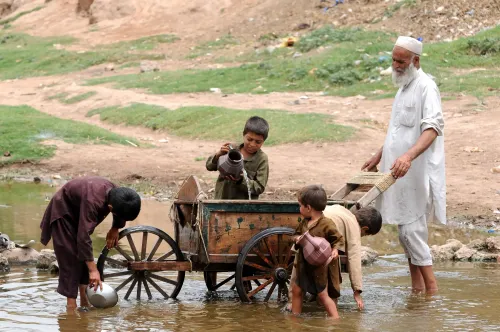
A particularly grim dimension of the trade involves brick kiln workers across the country, where Pakistani authorities are accused of continuing to ignore widespread bonded labour and systemic abuse of what the report calls 'virtual slaves.' Kiln workers are reportedly lured with large sums to clear their debts in exchange for a kidney, only to be underpaid after the procedure. The recovery period limits their earning capacity, trapping many in the same debt cycle — while kiln owners pocket the bulk of the proceeds.
This pattern, documented in The Express Tribune, illustrates how the organ trade is not merely a criminal enterprise but is structurally embedded in Pakistan's broader labour exploitation ecosystem.
Why the Trade Persists Despite Crackdowns
Analysts and reports point to a combination of weak enforcement, inadequate international cooperation, and deep structural poverty as the primary reasons the trade endures. According to The Diplomat, without stronger external enforcement mechanisms and enhanced cross-border cooperation, this 'dark trade' is likely to persist. The economic vulnerability of victim 'donors' and the greed of both recipients and the medical professionals involved continue to fuel demand on both sides of the transaction.
As pressure mounts on Pakistani authorities to move beyond periodic raids toward systemic reform, the fate of the country's most marginalised citizens — those compelled by poverty to risk their bodies — remains a pressing human rights concern.
Point of View
But it is also the latest in a long line of periodic crackdowns that have failed to structurally dent Pakistan's organ trafficking ecosystem. The real story here is not criminality in isolation — it is the convergence of bonded labour, extreme poverty, and medical complicity into a self-sustaining market. As long as kiln owners can weaponise debt to coerce organ 'donations' and affluent foreign clients can purchase surgical packages from residential basements, enforcement alone will not move the needle. Pakistan's organ trade is a symptom of a governance failure that runs far deeper than any single hospital raid can address.
NationPress
22 Sept 2026
Frequently Asked Questions
What did the FIA uncover in the Islamabad hospital raid?
The FIA raided a prominent private hospital in Islamabad and arrested nine people, including a well-known urologist, for alleged involvement in organ trafficking. The network reportedly lured victims from impoverished southern Punjab districts and sold their kidneys for large sums to wealthy clients.
Who are the primary victims of Pakistan's illegal organ trade?
Victims are predominantly from the poorest sections of society, including daily-wage labourers and brick kiln workers from districts such as Rahim Yar Khan and Dera Ghazi Khan. Many are coerced or deceived into selling organs to clear debts, and some have reportedly had organs removed without their knowledge or consent.
How do organ trafficking networks operate in Pakistan?
Networks reportedly offer 'packages' to wealthy clients — many from the Middle East — that include airport transfers, hotel accommodation, and surgeries performed in residential basements. Victims are recruited through debt traps or outright kidnapping, according to reports.
Why does the illegal organ trade persist despite crackdowns?
According to The Diplomat, the trade persists due to extreme poverty sustaining a continuous supply of desperate 'donors,' weak enforcement, and insufficient international cooperation. The involvement of medical professionals and the structural embedding of the trade in bonded labour systems make it particularly difficult to eradicate.
What happens to brick kiln workers caught in organ trade debt traps?
Kiln workers are reportedly offered large sums to clear their debts in exchange for a kidney, but are subsequently underpaid. The recovery period limits their ability to earn, trapping them in the same debt cycle while kiln owners retain most of the proceeds.