Pakistan blasphemy business network traps minorities on social media: Report
Synopsis
A structured extortion racket — not just religious fervour — is reportedly driving Pakistan's blasphemy crisis. Operatives stalk minorities online, manufacture evidence, and then extort victims with the alleged backing of FIA officials, religious scholars, and paid mobs. Rights groups say the network has now paralysed Pakistan's courts, with lawyers assassinated and judges openly threatened.
Key Takeaways
An organised blasphemy business network in Pakistan is reportedly trapping individuals — especially religious minorities — via social media entrapment to extort bribes.
Some Federal Investigation Agency (FIA) officials are allegedly complicit in the network's operations, according to a Zenit report.
The network originated in Rawalpindi and Islamabad and has since expanded across much of Pakistan, with reported links to prominent Islamic scholars.
The Voice of Pakistan Minority (VOPM) in March alleged that Pakistan's blasphemy laws are used to coerce judges, prosecutors, police, and politicians.
Rights lawyer Rashid Rehman was shot dead in his office after defending a blasphemy-accused client, highlighting lethal risks for legal defenders.
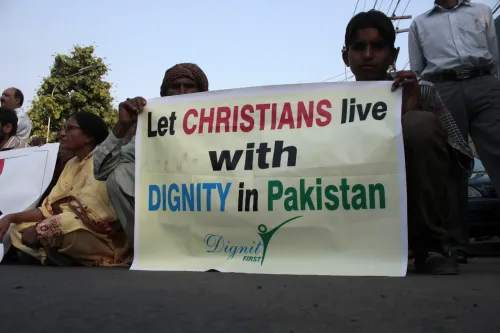
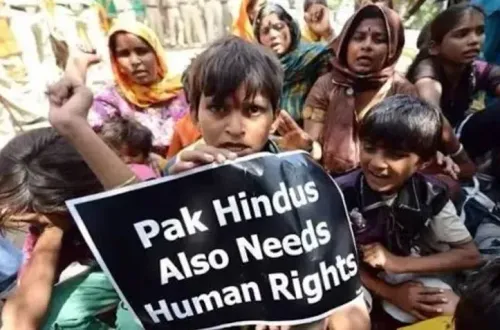
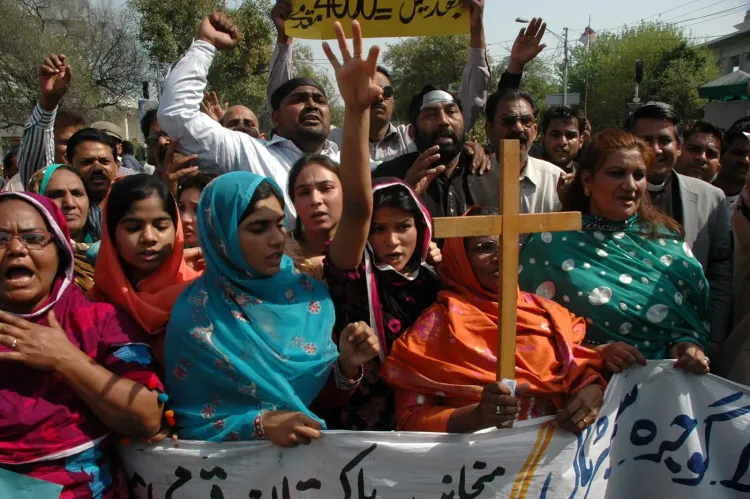
Christians , Hindus , and certain Islamic sects are at disproportionately higher risk, with entire communities forced to flee following blasphemy accusations.
An organised blasphemy business network in Pakistan is actively ensnaring individuals — particularly religious minorities — into blasphemy traps on social media platforms, according to a report published by Zenit. The network, which reportedly began in Rawalpindi and Islamabad, has since spread across much of the country and allegedly operates with the complicity of some Pakistani officials, including members of the Federal Investigation Agency (FIA).
How the Entrapment Works
According to the Zenit report, operatives of the network target individuals online, cultivating trust through personal disclosures before steering conversations toward matters of faith. If the target says anything that could be construed as critical or mocking of religion — even in passing — a screenshot is taken and treated as evidence.
'Simon,' a Pakistani Christian quoted in the report, described the method: stalkers monitor religious minorities on social media, looking for loopholes in their posts that can be exploited. Once a compromising screenshot is secured, the target faces extortion demands or visits from select officials. Should the target resist, the screenshot is leaked to their employer, family, and local religious figures, who reportedly escalate the matter with institutional backing.
'Now you can start extorting him. Or have a few select officials visit him. If the target stays defiant in the face of such pressure, then leak the screenshot to his employer, his family, and, of course, the local imams and activists — they'll gladly handle it from there, with layers of institutional support behind them,' the Zenit report stated.
Who Is Most at Risk
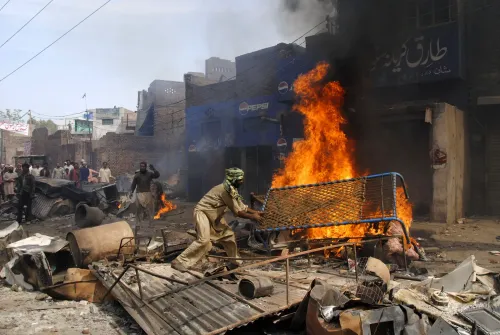
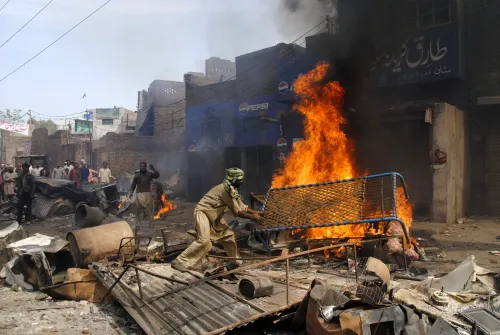
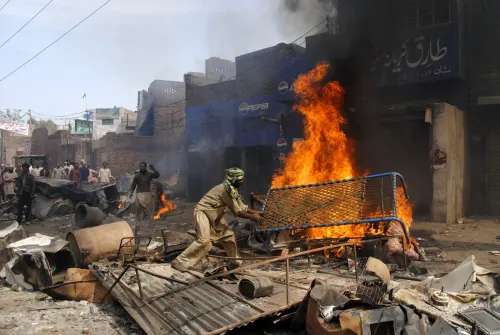
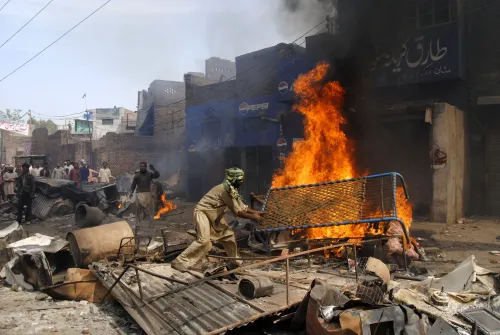
The report notes that no demographic in Pakistan is entirely safe from for-profit blasphemy accusations. However, religious minorities — including Christians, Hindus, and certain Islamic sects deemed heretical — face a disproportionately higher risk. Blasphemy accusations against a minority community can trigger mob violence severe enough to force entire neighbourhoods to evacuate, with dozens of houses reportedly destroyed in such attacks.
'The main purpose here is to extort bribes from the target in exchange for dropping criminal charges. In the custody of such people, the treatment is appalling. At least several cases have seen the abuse turn fatal,' the Zenit report noted.
Network's Reach and Institutional Links
The blasphemy business network is reported to have connections not only to Pakistani officials but also to prominent Islamic religious scholars. At blasphemy trials, mobs reportedly surround courthouses to pressure judges into issuing favourable rulings. The Zenit report observed that many mob participants appear motivated by financial incentives rather than religious conviction — a conclusion drawn from documented disputes between mob organisers and participants who claimed they were not paid for their services.
Systemic Coercion of Pakistan's Justice System
In March, the Voice of Pakistan Minority (VOPM), a leading minority rights group, alleged that Pakistan's blasphemy laws are being weaponised as a tool of systematic coercion. The group described a 'blasphemy complex' that uses fear of mob violence, targeted killings, and economic blackmail to effectively paralyse institutions responsible for protecting rights and upholding the rule of law.
According to the VOPM, Pakistan's blasphemy provisions carry a mandatory death penalty or life imprisonment, but their vague and broad wording makes mere accusations sufficient to trigger arrest and detention. Human rights organisations have documented that these laws are routinely used to settle personal scores, grab land, and persecute minorities rather than address genuine incitement.
Lawyers and Judges Under Threat
The Human Rights Commission of Pakistan (HRCP) has documented instances where judges hearing blasphemy cases have been 'openly threatened in courtrooms, pressured by crowds outside court premises, and denounced in sermons or social media campaigns when they show leniency or demand solid evidence.'
Lawyers defending the accused face comparable or greater danger. Several have reportedly been assassinated, including prominent rights lawyer Rashid Rehman, who was shot dead in his office after defending an academic accused of blasphemy — following explicit threats over his involvement in the case. The resulting climate of fear has led many lawyers to refuse such cases, leaving the accused without meaningful legal representation. Judges, in turn, reportedly deny bail, delay decisions, or pass responsibility up the judicial hierarchy to avoid individual accountability.
With the network now spanning much of Pakistan and allegedly embedded in state institutions, rights groups warn that accountability remains elusive and the cycle of coercion is likely to deepen.
Point of View
Religious scholars, paid mobs, and a compliant court atmosphere. Pakistan's blasphemy laws have long drawn international criticism, but the documented shift from spontaneous accusation to organised entrapment on social media marks a qualitative escalation. The killing of lawyer Rashid Rehman and the documented intimidation of judges reveal a justice system that has been effectively captured. The international community's response has remained largely rhetorical; until Pakistan faces concrete diplomatic or economic consequences, the blasphemy business network has little reason to dismantle itself.
NationPress
25 Sept 2026
Frequently Asked Questions
What is Pakistan's blasphemy business network?
It is an organised criminal network in Pakistan that reportedly entraps individuals — particularly religious minorities — into making statements online that can be framed as blasphemy, then extorts them or their families in exchange for dropping charges. The network allegedly has links to some FIA officials and prominent Islamic religious scholars.
How do operatives trap people into blasphemy accusations on social media?
According to the Zenit report, operatives cultivate trust with targets online before steering conversations toward religion. If the target says anything that could be deemed critical or mocking, a screenshot is captured and used as evidence for extortion or a formal blasphemy complaint.
Which groups are most at risk from blasphemy accusations in Pakistan?
Religious minorities — including Christians, Hindus, and certain Islamic sects deemed heretical — face a disproportionately higher risk. Accusations can trigger mob violence that forces entire communities to evacuate, with dozens of houses reportedly destroyed in such attacks.
What are Pakistan's blasphemy laws and why are they controversial?
Pakistan's blasphemy provisions carry a mandatory death penalty or life imprisonment. Human rights organisations argue their vague and broad wording makes mere accusations sufficient to trigger arrest and detention, and that the laws are routinely misused to settle personal scores, grab land, or persecute minorities.
What dangers do lawyers and judges face in blasphemy cases in Pakistan?
Judges are reportedly threatened in courtrooms, pressured by mobs outside court premises, and targeted on social media when they show leniency. Several lawyers defending blasphemy-accused clients have been assassinated, including rights lawyer Rashid Rehman, who was shot dead in his office after taking on such a case.