The Rise of Blasphemy Accusations in Pakistan: A Disturbing Trend
Synopsis
In Pakistan, blasphemy accusations linked to digital crimes are skyrocketing, fueled by fabricated evidence and false testimonies. This alarming trend, known as the 'blasphemy business,' threatens vulnerable communities. Discover how this exploitation is reshaping lives and justice in the region.
Key Takeaways
Blasphemy accusations are increasingly linked to digital crimes in Pakistan.
The phenomenon known as the 'blasphemy business' involves fabricated evidence.
Religious minorities face significant risks and discrimination.
Organized crime networks exploit blasphemy laws for extortion .
Accountability remains elusive due to political complicity.
Islamabad, Feb 25 (NationPress) An alarming trend is emerging in Pakistan where an increasing number of individuals are facing blasphemy accusations linked to digital misconduct. Human rights organizations have labeled this disturbing phenomenon as the "blasphemy business," characterized by the use of fabricated evidence, digitally altered images, and false testimonies to file police reports.
A recent study revealed that in December 2025, the Rawalpindi bench of the Lahore High Court exonerated six individuals who had received life sentences or even death penalties in a digital blasphemy case.
The court's observations pointed to the rising prevalence of these "blasphemy businesses," highlighting the growing practice of using fabricated or unverified digital content to accuse individuals of serious crimes. The accused, often from religious minorities or economically disadvantaged communities, are coerced into paying intermediaries to avoid legal repercussions, dismiss cases, or negotiate with complainants and clerical authorities. This shift signifies a transition from opportunistic blasphemy claims to coordinated entrapment schemes operated by organized crime networks that exploit these laws for extortion purposes,” stated Niala Mohammad, Director of Research for Afghanistan and Pakistan at the Centre for the Study of Organised Hate, alongside Cecil Shane Chaudhry, South Asia Deputy Team Leader at Christian Solidarity Worldwide, in a report for the Centre for the Study of Organised Hate.
In a distressing incident, a young man in Rawalpindi seeking employment was contacted via WhatsApp by an individual impersonating a female recruiter. After establishing a connection, she sent him a sexually explicit image overlaid with Islamic scripture. When he inquired about it, she claimed it was a mistake and requested he resend the image. Desperate for a job, he complied, only to be ambushed by four men who beat him, confiscated his phone, and handed him over to law enforcement. The image shared under deceptive circumstances was sufficient to level a blasphemy charge against him.
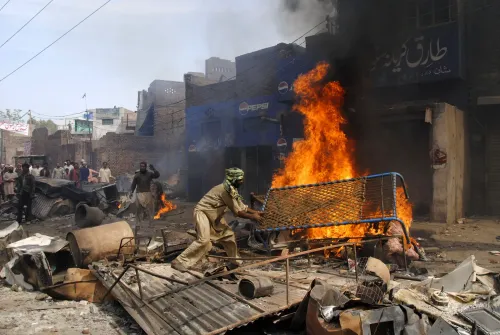
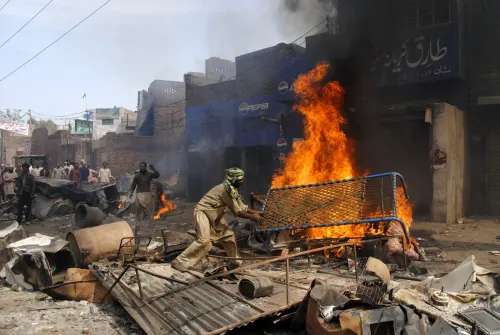
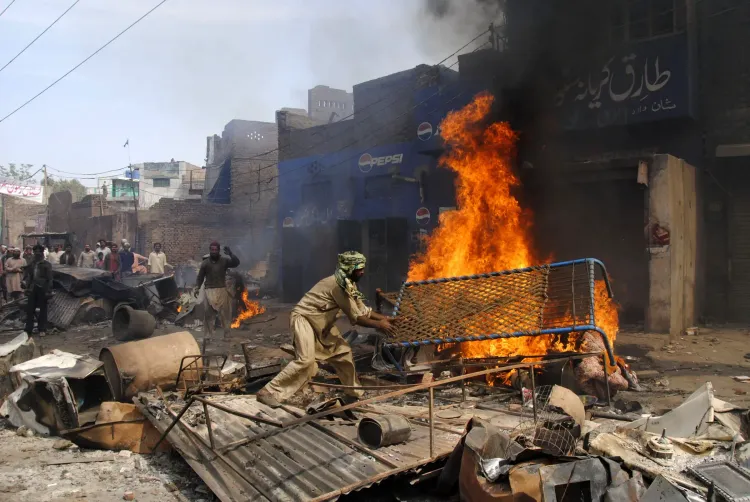
The report from the Centre for the Study of Organised Hate noted, "Pakistan’s blasphemy laws, particularly Section 295-C of the Pakistan Penal Code, which mandates a death penalty for insulting the Prophet Muhammad, contribute to a perilous environment where even a baseless accusation can lead to arrest, mob violence, or extrajudicial killings. Between 1994 and 2024, at least 104 individuals have been killed extrajudicially due to blasphemy allegations."
"In such a climate, the blasphemy business flourishes, with allegations wielding such destructive power that they threaten to disrupt lives permanently. Rights organizations and victim advocates have pointed out the involvement of individuals with connections to religious groups and, in some instances, complicity from officials within the Federal Investigation Agency (FIA). Allegations suggest that FIA officers have filed complaints without forensic validation, accepted screenshots at face value, or acted on anonymous digital tips," the report continued.
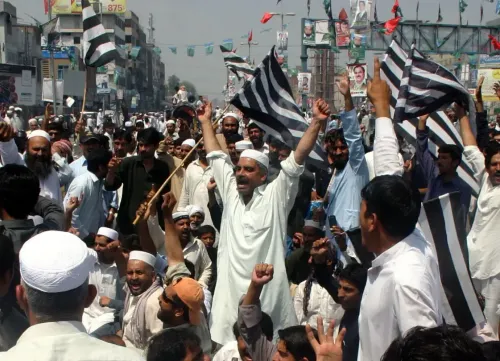
Online vigilante groups, linked to extremist organizations like Tehreek-e-Labaik Pakistan (TLP), are at the forefront of prosecuting online blasphemy cases, with the Legal Commission on Blasphemy Pakistan (LCBP) being the most active entity. LCBP’s stated mission is to take decisive action against blasphemy. The National Commission for Human Rights (NCHR) reports that Pakistan’s FIA Cyber Crime Wing charges hundreds of young and vulnerable individuals with blasphemy based on social media content, often in collaboration with groups that profit from blasphemy accusations.
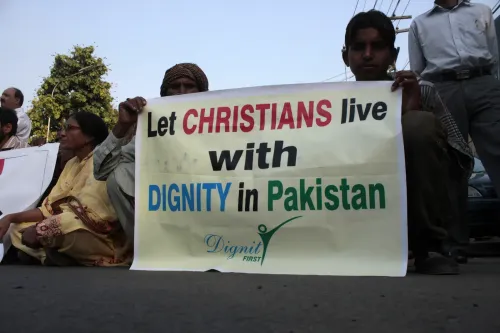
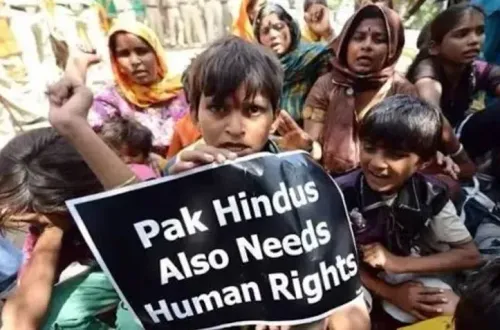
According to the report, religious minorities in Pakistan, including Christians, Ahmadis, Hindus, Sikhs, and Shia Muslims, are particularly susceptible to these accusations, facing legal discrimination and societal hostility, which makes them primary targets. The overlap between organized blasphemy networks and existing sectarian hostility transforms individual cases into community-wide threats. Furthermore, lawmakers in Pakistan are often reluctant to confront groups that utilize blasphemy as a tool for mobilization. Investigations into mob violence rarely lead to sustained accountability, with charges against vigilantes frequently being dismissed or weakened over time.
Point of View
It's crucial to highlight the systemic issues surrounding blasphemy accusations in Pakistan. This situation underscores the need for reform and accountability within law enforcement, as well as the protection of vulnerable communities facing unjust persecution. The intersection of organized crime and blasphemy laws poses a significant threat to social stability and justice.
NationPress
10 Oct 2026
Frequently Asked Questions
What is the 'blasphemy business' in Pakistan?
The 'blasphemy business' refers to a disturbing trend where individuals are falsely accused of blasphemy using fabricated evidence, digitally altered images, and false witness statements, primarily targeting vulnerable communities.
What are the implications of blasphemy laws in Pakistan?
Blasphemy laws in Pakistan create a high-risk environment, where even unsubstantiated allegations can lead to severe consequences, including arrest, mob violence, and extrajudicial killings.
How are religious minorities affected by blasphemy accusations?
Religious minorities in Pakistan, such as Christians, Ahmadis, and Hindus, face heightened vulnerability to blasphemy accusations, often experiencing legal discrimination and societal hostility.
What role do organized crime networks play in blasphemy cases?
Organized crime networks exploit blasphemy laws for extortion, using fabricated evidence to manipulate legal outcomes and pressure victims into paying intermediaries to avoid prosecution.
How does the Pakistani government respond to allegations of blasphemy?
The Pakistani government often shows reluctance to challenge groups that use blasphemy as a mobilizing tool, leading to a lack of accountability for mob violence and vigilante actions.