Concerns Mount Over the Exploitation of Blasphemy Laws in Pakistan
Synopsis
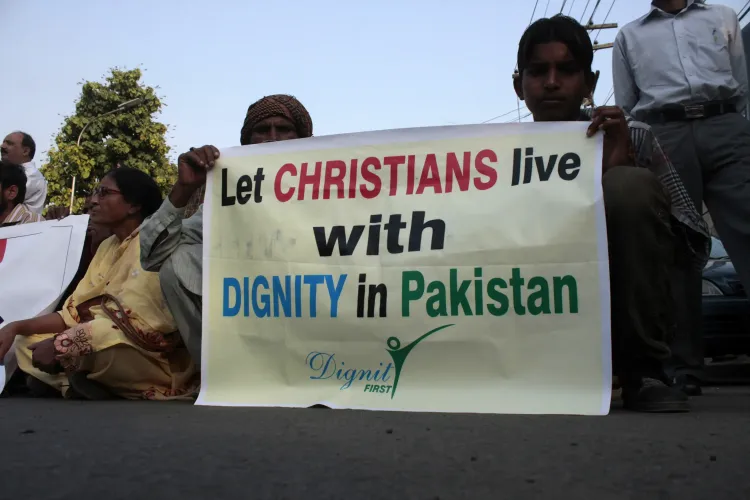
A minority rights group in Pakistan has highlighted a troubling trend: the increasing misuse of blasphemy laws as tools of intimidation and profit, threatening the safety and dignity of vulnerable communities.
Key Takeaways
Blasphemy laws are increasingly misused as tools of fear and manipulation.
Vulnerable communities face severe repercussions from false allegations.
Public pressure and vigilante actions exacerbate the situation.
Legal safeguards are often inadequate to protect the accused.
Reform is essential to prevent further abuses and uphold human rights.
Islamabad, Feb 26 (NationPress) A prominent minority advocacy organization in Pakistan has voiced serious apprehension regarding the escalating abuse of the nation's blasphemy statutes, labeling them as increasingly utilized as “instruments of intimidation, authority, and exploitation”.
Citing various human rights organizations that characterize this law as an expanding “blasphemy industry,” the Voice of Pakistan Minority (VOPM) pointed out that “fabricated screenshots, altered images, fake social media profiles, and perjured testimonies” are frequently employed to ensnare vulnerable individuals in charges that could lead to capital punishment.
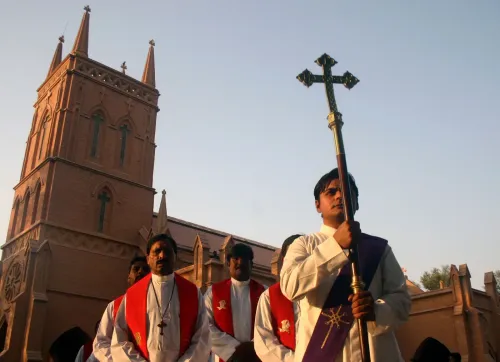
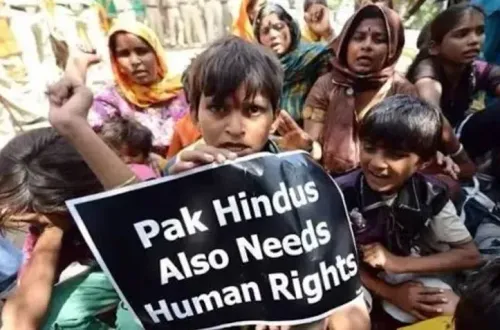
The rights organization emphasized that for religious minorities in Pakistan — including Christians, Ahmadis, Hindus, Sikhs, and Shia Muslims — blasphemy accusations are not just hypothetical legal threats but represent a persistent danger.
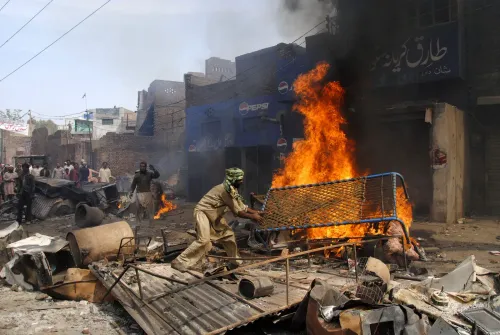
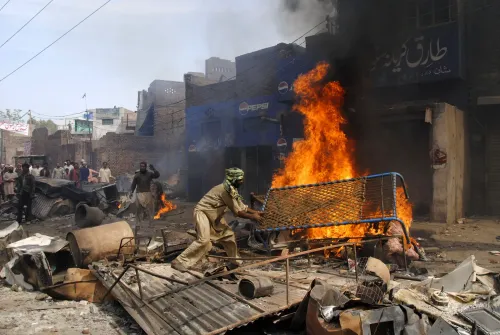
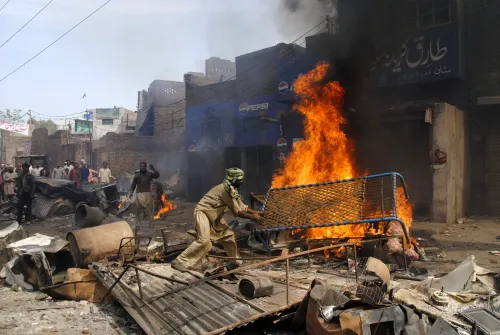
“These communities, already grappling with social bias and economic exclusion, can be utterly devastated by a single allegation. Mobs can mobilize within hours, families are forced to escape, employment opportunities vanish, and reputations suffer irreparable harm,” the VOPM remarked.
“Between 1994 and 2025, at least 104 individuals were killed extrajudicially due to blasphemy accusations. In such an environment, the law serves not merely as a punitive measure — it instills terror,” it continued.
The VOPM raised alarms about the concerns shared by multiple human rights entities regarding the actions of Pakistan’s Federal Investigation Agency (FIA), particularly its Cyber Crime Wing, which registers cases without adequate forensic substantiation and responds to anonymous tips.
In addition, it highlighted how private vigilante groups, including those affiliated with the radical Islamist political party Tehreek-e-Labbaik Pakistan, are actively pursuing alleged blasphemy cases on social media, while the Legal Commission on Blasphemy in Pakistan openly advocates for “decisive measures” against those accused.
“This mixture of public pressure, organized activism, and insufficient safeguards fosters an environment ripe for extortion. Victims often find themselves compelled to pay intermediaries or abandon their homes to ensure their safety,” the VOPM explained.
The organization noted that the issue goes beyond mere misuse, as the blasphemy law enables allegations to carry significant implications before any evidence is thoroughly evaluated. It stated that accusations are weaponized against the impoverished, minorities, and socially marginalized.
“For the affluent and well-connected, legal representation may be achievable. For others, survival hinges on silence, fleeing, or financial payment. As long as the death penalty is associated with blasphemy laws, these provisions will continue to lure vigilantes, opportunists, and organized extortion rings,” the VOPM underscored.
Stating that the Pakistani government has failed to safeguard its most vulnerable citizens, the rights organization asserted, “The judiciary and law enforcement frequently act as accomplices rather than protectors. Until Pakistan dismantles the legal and institutional frameworks that enable blasphemy to function as a mechanism of oppression, fear will persist as the prevailing law.”
Point of View
It's crucial to acknowledge the grave implications of the misuse of blasphemy laws in Pakistan. This issue not only threatens the safety of minority communities but raises questions about the integrity of legal systems designed to protect human rights. Our focus should remain on advocating for justice and reform.
NationPress
19 Sept 2026
Frequently Asked Questions
What are the blasphemy laws in Pakistan?
Blasphemy laws in Pakistan are legal provisions that penalize acts deemed disrespectful toward Islam and its teachings, often resulting in severe punishments, including the death penalty.
How are these laws misused?
These laws are exploited by individuals or groups to target vulnerable people, using fabricated evidence and false accusations to instill fear and exert control.
What impact do blasphemy allegations have on minority communities?
Blasphemy allegations create a climate of terror for minority communities, leading to social discrimination, economic hardships, and even extrajudicial killings.
Who is primarily affected by these laws?
Religious minorities in Pakistan, including Christians, Ahmadis, Hindus, Sikhs, and Shia Muslims, are often the primary victims of blasphemy law abuses.
What can be done to reform these laws?
Reform requires dismantling the legal frameworks that enable misuse, improving law enforcement practices, and ensuring protections for vulnerable populations.