Are People in Pakistan Facing Blasphemy Charges for Digital Offenses?
Synopsis
A troubling trend in Pakistan sees individuals accused of blasphemy due to digital offenses, often based on unverified or fabricated evidence. This alarming situation raises serious questions about the integrity of the legal system and the safety of vulnerable communities.
Key Takeaways
Increasing blasphemy accusations are often based on unverified or fabricated evidence.
The rise of “blasphemy businesses” exploits vulnerable communities for profit.
Religious minorities face heightened risks due to legal discrimination.
Organized crime networks are increasingly involved in these accusations.
Legal reforms are necessary to protect individuals from wrongful charges.
Islamabad, Jan 28 (NationPress) An increasing number of individuals in Pakistan are facing accusations of blasphemy related to digital offenses, with rights organizations labeling this trend as a form of “blasphemy business”. This involves the use of fabricated evidence, digitally altered screenshots, or false witness testimonies to file police complaints, as highlighted in a recent report.
In December, the Lahore High Court's Rawalpindi Bench exonerated six individuals who had been sentenced to either life imprisonment or death in a digital blasphemy case. The court determined that the prosecution failed to establish any credible link between the accused and the alleged online content, according to Niala Mohammad, the Director of Research for Afghanistan and Pakistan at the Centre for the Study of Organised Hate, along with Cecil Shane Chaudhry, the South Asia Deputy Team Leader at Christian Solidarity Worldwide.
The court's observations noted the rise of “blasphemy businesses”, emphasizing the increasing use of fabricated or unverified digital content to accuse individuals of capital offenses. Those targeted, primarily from religious minority or economically disadvantaged communities, are coerced into paying intermediaries to avoid prosecution, dismiss cases, or negotiate with complainants and clerical authorities. This signifies a shift from opportunistic blasphemy charges to systematic entrapment operations run by organized crime networks exploiting these laws for extortion.
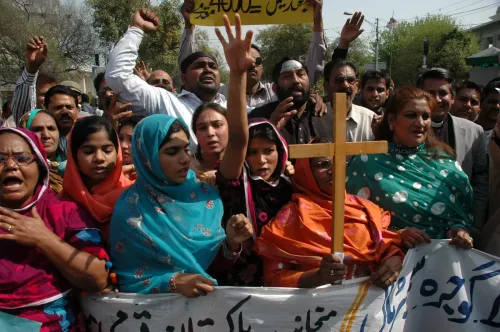
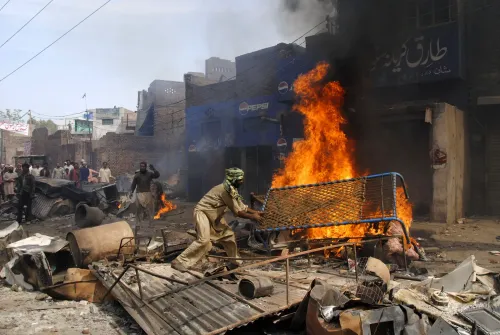
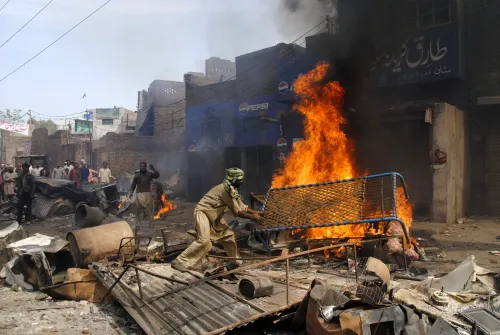
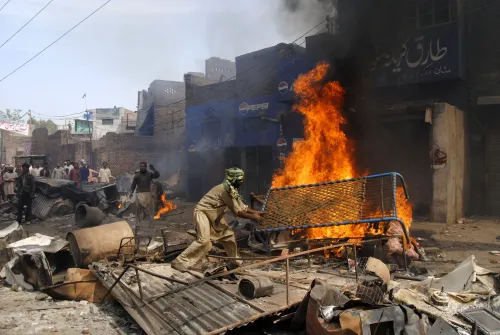
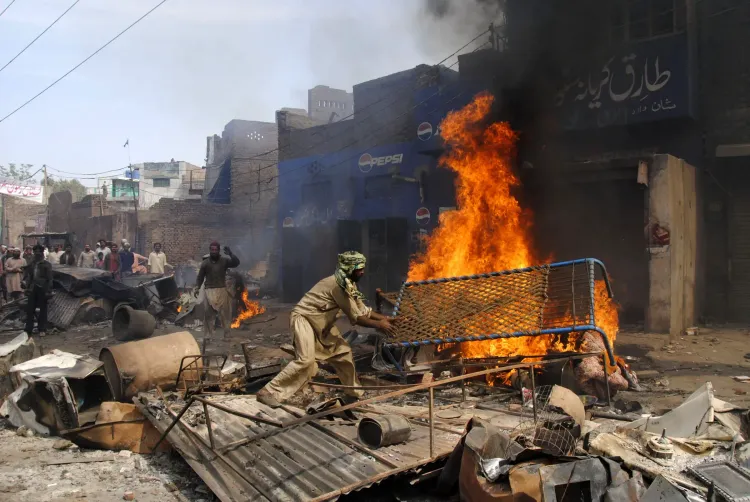
A report from the Centre for the Study of Organised Hate stated, “Pakistan’s blasphemy laws, particularly Section 295-C of the Pakistan Penal Code, which imposes a death sentence for disrespecting the Prophet Muhammad, create a perilous environment where even an unfounded accusation can lead to arrest, mob violence, or extrajudicial killing.”
“Since 1994, at least 104 individuals have been killed extrajudicially due to blasphemy claims. In this atmosphere, the blasphemy industry flourishes, and the allegations wield such destructive power that they can threaten, disrupt, or irreversibly change lives,” the report further elaborated.
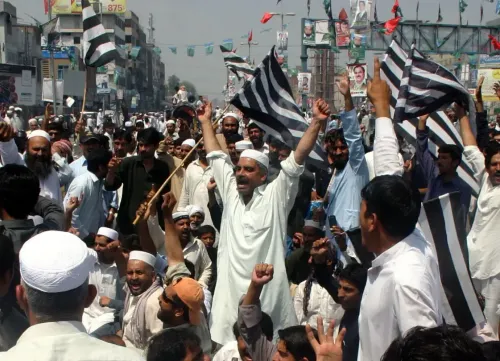
Rights organizations and advocates for victims highlight the role of individuals linked to religious groups and, in some instances, the complicity of personnel within the Federal Investigation Agency (FIA). Allegations suggest that FIA officers have filed complaints without forensic validation, accepted screenshots at face value, or acted on anonymous digital tips. Private online vigilante factions connected to extremist groups like Tehrik-e-Labaik Pakistan (TLP) are actively pursuing online blasphemy cases, as reported by the Centre for the Study of Organised Hate.
Pakistan’s FIA Cyber Crime Wing has charged hundreds of vulnerable youths with blasphemy based on social media content. For instance, in the case of Shagufta Kiran, a Christian mother of four from Islamabad, she was arrested in 2021 after inadvertently forwarding a WhatsApp message that included sexually explicit content overlaid with religious text. This arrest was made under both Section 295 C and Section 11 of the Pakistan Electronic and Cybercrime Act of 2016, which addresses hate speech and the glorification of offenses.
“Shortly thereafter, Kiran was threatened by a man demanding money and coercing her to convert to Islam. When she and her family rejected his demands, FIA agents raided her home and detained her children. In September 2024, after a prolonged three-year trial, a court sentenced her to death, concluding that she had shared offensive material about Islam, despite her consistent denial and the ambiguity surrounding how the message reached her phone. She is currently awaiting her appeal on death row,” the report further indicated.
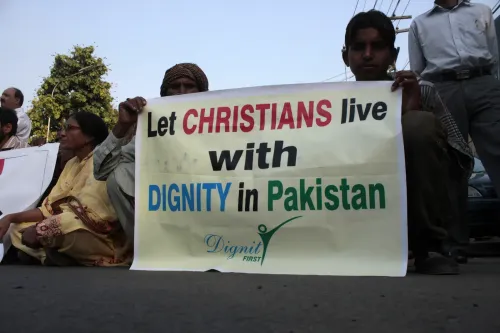
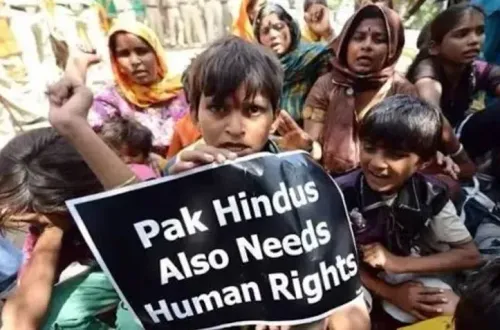
Kiran's situation reveals the existence of criminal coordination and underscores the fragility of state institutions. The presence of these networks illustrates the inadequacy of investigative safeguards and the effectiveness of blasphemy allegations as intimidation tactics. Religious minorities in Pakistan are especially at risk, with Christians, Ahmadis, Hindus, Sikhs, and Shia Muslims facing both legal discrimination and societal hostility, rendering them prime targets.
Point of View
Our commitment is to deliver unbiased reporting that reflects the complexities of issues within our nation. The alarming rise in blasphemy accusations, particularly against vulnerable minorities, calls for a thorough examination of the legal and societal frameworks that allow such injustices to occur while maintaining the integrity of our democratic values.
NationPress
17 Sept 2026
Frequently Asked Questions
What are the consequences of blasphemy accusations in Pakistan?
Blasphemy accusations in Pakistan can lead to severe penalties, including life imprisonment or even the death penalty, creating a high-risk environment for individuals facing such claims.
How have blasphemy laws affected religious minorities in Pakistan?
Religious minorities, including Christians, Ahmadis, Hindus, Sikhs, and Shia Muslims, face heightened risks of legal discrimination and societal hostility, making them prime targets for blasphemy accusations.
What role do digital platforms play in blasphemy accusations?
Digital platforms are increasingly being used to spread fabricated evidence and false accusations, leading to wrongful arrests and prosecutions based on unverified content.
Who is behind the blasphemy business in Pakistan?
Organized crime networks and individuals connected to extremist groups are often involved in exploiting blasphemy laws for extortion and intimidation.
What measures can be taken to protect individuals from wrongful blasphemy charges?
Strengthening legal safeguards, ensuring thorough investigations, and fostering awareness regarding the misuse of blasphemy laws are essential steps to protect individuals from wrongful accusations.