Pakistan minority persecution: VOPM warns of systemic failure, global indifference
Synopsis
The Voice of Pakistan Minority says the world has run out of excuses — Pakistan's religious minorities face forced conversions, mob violence, and a justice system that consistently fails them. With USCIRF's CPC designation renewed yet again, the VOPM is demanding action, not acknowledgement, from the international community.
Key Takeaways
The Voice of Pakistan Minority (VOPM) on 5 May 2025 declared Pakistan's minority persecution a full-blown crisis, not a "quiet" one.
Pakistan retains its Country of Particular Concern (CPC) designation from the US Commission on International Religious Freedom (USCIRF) .
A recurring pattern of forced conversions and marriages of underage Christian girls has been documented across the country.
Mob violence fuelled by unverified accusations continues to threaten entire minority communities, with few legal consequences for perpetrators.
The VOPM has called for sustained diplomatic pressure, accountability measures, and direct support for vulnerable communities — not symbolic gestures.
A leading minority rights body on Tuesday, 5 May warned that the escalating persecution of religious minorities in Pakistan has crossed a critical threshold — no longer a "quiet crisis" but a glaring indictment of both national failure and international indifference. The warning came from the Voice of Pakistan Minority (VOPM), which cited the latest findings from the US Commission on International Religious Freedom (USCIRF) to underscore a worsening pattern of targeted violence, forced conversions, and systemic legal neglect.
USCIRF Report and Country of Particular Concern Designation
The VOPM stated that the latest USCIRF report reinforced what minority communities in Pakistan have long experienced: "Pakistan remains a place where faith can become a fatal liability." Pakistan's continued designation as a Country of Particular Concern (CPC), the rights body noted, is "not merely bureaucratic language — but a reflection of lived fear, shattered families, and silenced voices."
According to the VOPM, year after year, reports reflect the same grim pattern of "targeted violence, systemic discrimination, and a justice system that too often turns away from those most in need of protection", with the situation continuing to deteriorate rather than improve.
Forced Conversions and Marriages of Underage Girls
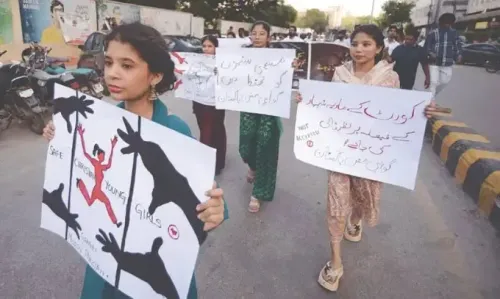
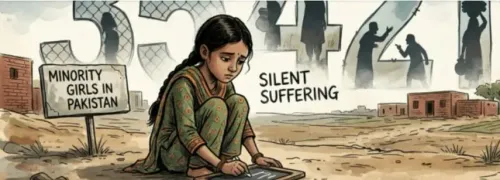
The rights organisation highlighted what it described as a deeply disturbing pattern of forced conversions and marriages involving Christian girls across the country, some of them barely in their teens. "These are not isolated incidents — they form a recurring narrative of abduction, coercion, and legal erasure," the VOPM stated.
Families, the body noted, are often left with nothing more than an official declaration that their daughter now belongs to another faith and another household. "The emotional devastation is immeasurable: parents grieving children who are still alive, yet irretrievably taken," the VOPM said.
Mob Violence and the Normalisation of Vigilante Justice
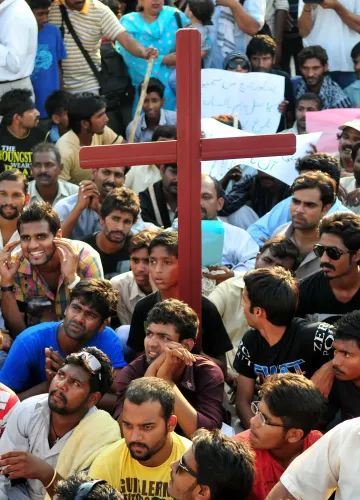
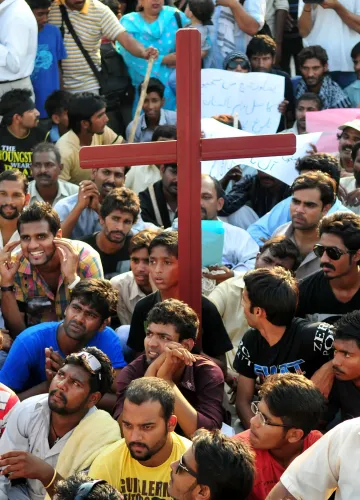
The VOPM also flagged the persistent threat of mob violence, warning that unverified accusations "can ignite collective fury within hours." Entire communities, it said, live under the shadow of sudden unrest, "where a rumour can become a death sentence."
The rights body described the normalisation of such vigilante justice as a reflection of "a deeper societal fracture, where the rule of law is overshadowed by fear and fanaticism." Notably, this pattern of mob-driven violence against minorities has been documented across multiple Pakistani provinces over several years, with few perpetrators facing meaningful legal consequences.
Call for International Action Beyond Symbolic Gestures
The VOPM emphasised that the international community faces a moral test, arguing that designations like CPC must not be reduced to symbolic gestures. "If they are to carry weight, they must be accompanied by sustained diplomatic pressure, accountability measures, and tangible support for vulnerable communities. Silence, or worse, passive acknowledgement, only emboldens those who perpetuate these injustices," the body stated.
The organisation asserted that global awareness alone is no longer sufficient. "Until meaningful pressure is applied and protections are enforced, the cycle will continue: another report, another tragedy, another family broken. And with each passing year, the cost of inaction grows heavier — not just for Pakistan's minorities, but for the conscience of the world," the VOPM warned.
Point of View
Yet the designation itself has produced little change on the ground — which is precisely the VOPM's point. The international community has developed a comfortable rhythm of reporting and re-designating without escalating consequences, and Pakistan's state apparatus has learned to absorb that pressure without structural reform. The forced conversion crisis, in particular, exposes a legal vacuum that successive governments have declined to close, despite parliamentary debate. Until designations carry enforceable diplomatic costs — trade, aid, or multilateral standing — they risk functioning as a pressure valve that releases accountability rather than builds it.
NationPress
23 Sept 2026
Frequently Asked Questions
What is the Voice of Pakistan Minority (VOPM) and what has it warned?
The Voice of Pakistan Minority (VOPM) is a minority rights organisation that on 5 May 2025 warned that religious persecution in Pakistan has escalated beyond a 'quiet crisis' into a systemic failure. It cited USCIRF findings, forced conversions of Christian girls, and unchecked mob violence as evidence of both national failure and global indifference.
Why has Pakistan been designated a Country of Particular Concern by USCIRF?
Pakistan has been designated a Country of Particular Concern (CPC) by the US Commission on International Religious Freedom due to its persistent pattern of targeted violence against minorities, systemic discrimination, and a justice system that routinely fails to protect vulnerable religious communities. The VOPM describes the designation as a reflection of 'lived fear, shattered families, and silenced voices.'
What is the scale of forced conversions of Christian girls in Pakistan?
According to the VOPM, forced conversions and marriages involving Christian girls — some barely in their teens — form a recurring, nationwide pattern rather than isolated incidents. Families are typically left with only an official declaration that their daughter has converted, with no legal recourse.
What action is the VOPM demanding from the international community?
The VOPM is calling for sustained diplomatic pressure, concrete accountability measures, and direct support for Pakistan's minority communities. It has warned that passive acknowledgement or symbolic gestures like CPC designations alone only embolden perpetrators if not backed by enforceable consequences.
How serious is mob violence against minorities in Pakistan?
The VOPM describes mob violence as a persistent and normalised threat, where unverified accusations can trigger collective fury within hours. Entire communities reportedly live under the fear that a single rumour could escalate into lethal violence, reflecting what the organisation calls 'a deeper societal fracture' where vigilante justice overrides the rule of law.