Pakistan minorities face blasphemy, forced conversions in 2026: Rights body
Synopsis
A minority rights body has documented a disturbing pattern in Pakistan during 2026 — courts upholding the marriage of a 12-year-old Christian girl to her alleged kidnapper, nurses jailed for years on disputed blasphemy charges, and families alleging abductions of minor girls. The VOPM's findings, drawn from USCIRF data, make the case that official assurances are no substitute for institutional accountability.
Key Takeaways
The Voice of Pakistan Minority (VOPM) raised concerns on 6 November 2026 over persecution of religious minorities in Pakistan during the first half of 2026.
A court reportedly upheld the marriage of Maria Shahbaz , described as a 12-year-old Christian girl , to a 30-year-old man accused of kidnapping her.
Christian nurses Navish Arooj and Maryum Lal were arrested in April 2021 on blasphemy charges, spent five months in detention , and were acquitted in February 2026 .
The VOPM cited USCIRF case documentation and called for prompt investigation of abduction and forced conversion allegations.
Lawmaker Falbous Christopher has proposed legislation against forced conversions, but the VOPM warned that enforcement, not just legislation, is essential.
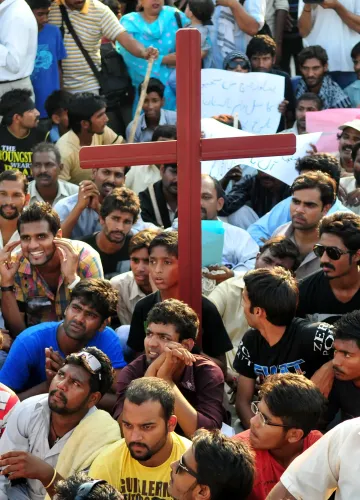
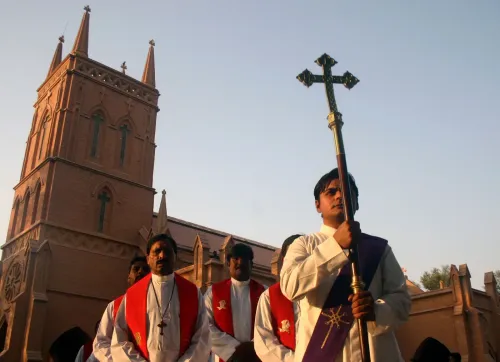
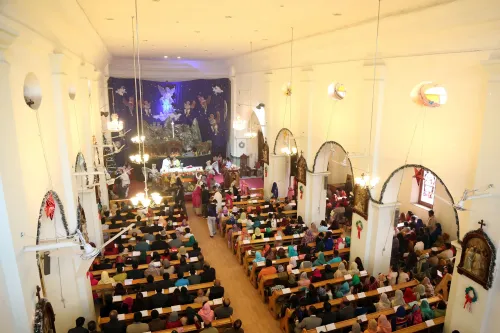
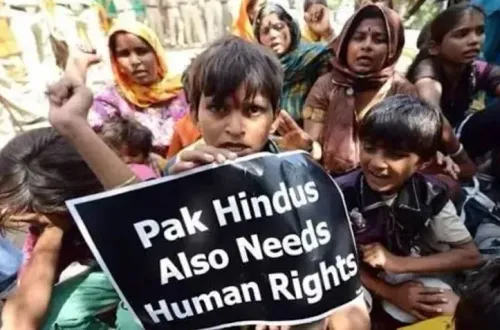
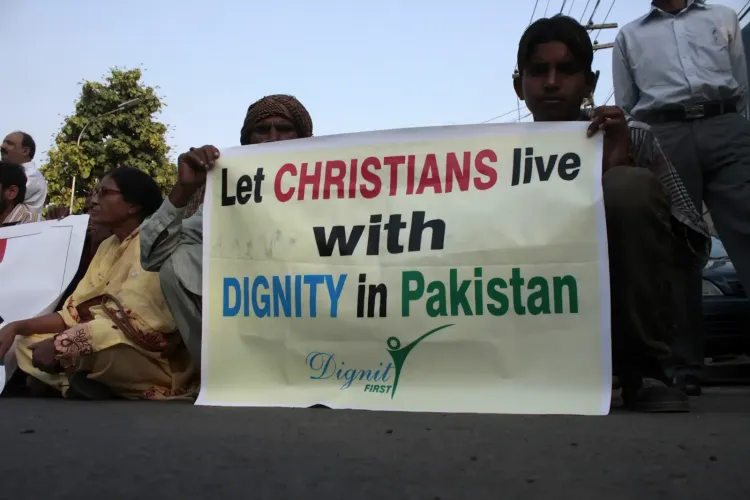
A prominent minority rights organisation, the Voice of Pakistan Minority (VOPM), on Friday, 6 November 2026, raised serious alarm over the ongoing persecution of religious minorities across Pakistan, documenting blasphemy accusations, targeted violence and alleged forced conversions recorded during the first half of 2026. The VOPM's statement drew on cases detailed in the US Commission on International Religious Freedom (USCIRF) report, arguing that discriminatory laws, weak accountability and inadequate state protection were compounding the suffering of vulnerable individuals and families.
Forced Conversion of Minor Girls
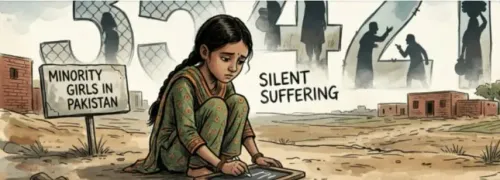
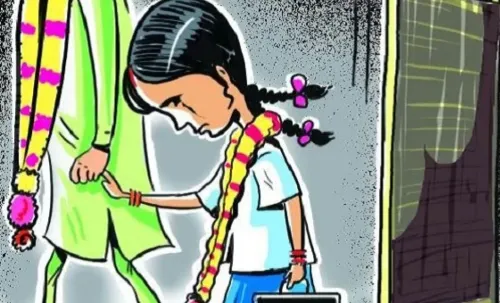
Among the most troubling cases cited were the alleged abductions and forced conversions of three minor girls — Maria Shahbaz, Neha Faqir, and Sonia Tariq. According to the VOPM, a court upheld the marriage of Maria, described as a 12-year-old Christian girl, to a 30-year-old man who had been accused of kidnapping her.
In Neha Faqir's case, her family alleged that a man abducted her from a sewing centre and coerced her into conversion, with police reportedly delaying initial action. The family of Sonia Tariq similarly alleged abduction and forced conversion; judges reportedly questioned a birth certificate identifying her as 15 years old, while those accused of abducting her claimed she was 20.
'Authorities must investigate such allegations promptly, assess age evidence fairly and hear girls' accounts without intimidation,' the VOPM stated. The rights body said these cases raise 'troubling questions about consent, child protection and access to justice.'
Blasphemy Accusations Against Christian Nurses
The VOPM also highlighted the cases of Christian nurses Navish Arooj and Maryum Lal, who were arrested by Pakistani authorities in April 2021 after a colleague accused them of defiling a sticker bearing an Islamic inscription. Both women spent five months in detention before subsequently going into hiding.
A court acquitted them in February 2026 after finding inconsistencies in witness testimony and insufficient credible evidence. 'Their acquittal represented an important correction, but it could not erase years of insecurity,' the rights body noted. The cases underscore how blasphemy accusations can derail lives long before the judicial process reaches its conclusion.
Legislative Gaps and State Accountability
The VOPM acknowledged a proposed legislative measure by Pakistani Christian lawmaker Falbous Christopher, who has introduced a bill against forced religious conversions. The rights body, however, cautioned that legislation alone would prove insufficient without consistent enforcement by police, courts and public officials.
'Legislation alone cannot protect vulnerable people unless police, courts and public officials enforce it fairly,' the VOPM said. Critics argue that even where legal frameworks exist on paper, selective enforcement and community pressure continue to shield perpetrators.
Broader Pattern and What Must Change
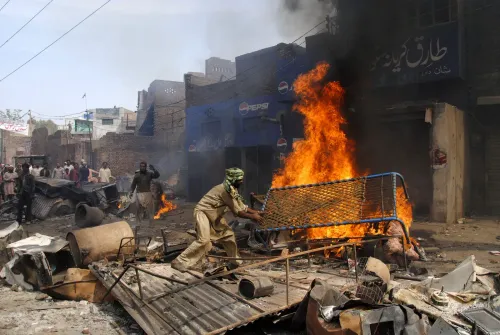
This comes amid a long-documented pattern of minority rights violations in Pakistan, with international bodies and advocacy groups repeatedly raising concerns over blasphemy laws that critics say are misused to settle personal scores, alongside a broader climate of impunity. The USCIRF has consistently placed Pakistan on its Special Watch List in recent years.
The VOPM was unequivocal in its demand: 'Pakistan's religious minorities need more than acquittals after prolonged suffering or promises after deadly attacks. They need institutions that prevent abuse, respond promptly and deliver justice. Their safety is not a concession from the state; it is the state's responsibility.' The rights body's report signals that without structural reforms — legislative, judicial and administrative — documented abuses will continue largely unchecked.
Point of View
The problem is not simply bad policing but systemic failure at every institutional level. Pakistan's proposed anti-conversion legislation may offer rhetorical cover, but its track record on enforcing protections for minorities — from blasphemy law misuse to impunity in targeted violence — suggests that legal text and legal reality remain far apart. The acquittal of the two nurses after five years of insecurity illustrates the core injustice: for minorities in Pakistan, being eventually proved innocent does not make one whole.
NationPress
7 Nov 2026
Frequently Asked Questions
What did the VOPM report on Pakistan minorities in 2026?
The Voice of Pakistan Minority (VOPM) released findings on 6 November 2026 documenting ongoing persecution of religious minorities in Pakistan during the first half of 2026, including forced conversions of minor girls, blasphemy accusations against Christian nurses, and targeted violence. The report drew on cases detailed by the US Commission on International Religious Freedom (USCIRF).
Who are Maria Shahbaz, Neha Faqir and Sonia Tariq?
They are three minor girls named in the VOPM report whose cases allegedly involve abduction, forced conversion and coerced marriage. A court reportedly upheld the marriage of Maria Shahbaz, described as a 12-year-old Christian girl, to a 30-year-old man accused of kidnapping her; Neha Faqir's family alleged she was abducted from a sewing centre and forced to convert; and Sonia Tariq's family similarly alleged abduction and forced conversion.
What happened to Christian nurses Navish Arooj and Maryum Lal in Pakistan?
Both nurses were arrested in April 2021 after a colleague accused them of defiling a sticker bearing an Islamic inscription. They spent five months in detention and subsequently went into hiding. A court acquitted them in February 2026 after finding inconsistencies in witness testimony and insufficient evidence.
What legislative step has been proposed to protect minorities in Pakistan?
Pakistani Christian lawmaker Falbous Christopher has proposed legislation against forced religious conversions. However, the VOPM cautioned that such laws can only protect vulnerable people if police, courts and public officials enforce them fairly and consistently.
What does the VOPM say Pakistan's government must do?
The VOPM has called for institutions that prevent abuse, respond promptly to allegations and deliver justice — rather than offering acquittals after prolonged suffering or promises after deadly attacks. It stated that the safety of religious minorities is the state's fundamental responsibility, not an optional concession.