Yogi Adityanath to celebrate Diwali with Van Tangiya community in Gorakhpur
Synopsis
Every Diwali since 2009, Yogi Adityanath has celebrated the festival with Gorakhpur's Van Tangiya community — forest settlers denied citizenship rights for decades after independence. This year he returns not just for festivities but to unveil 52 development projects worth ₹82.41 crore, underscoring how a political tradition rooted in a marginalised community has evolved into a governance showcase.
Key Takeaways
CM Yogi Adityanath will celebrate Diwali with the Van Tangiya community at Kushmi Jungle, Gorakhpur on 7 November 2026 .
He will inaugurate and lay foundation stones for 52 development projects worth ₹82.41 crore , covering connectivity, infrastructure, tourism, and local commerce.
The Van Tangiya community was settled in Gorakhpur and Maharajganj forests in 1918 under British rule and remained without citizenship rights for decades after independence in 1947 .
Adityanath began the Diwali tradition with the community in 2009 and has continued it uninterrupted as both MP and Chief Minister.
As CM, he granted revenue village status to the settlements, enabling residents of 23 villages to access welfare schemes, Aadhaar, ration cards, LPG connections, and pension schemes.
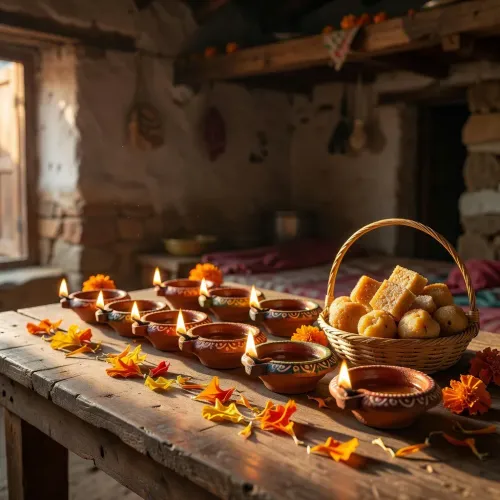
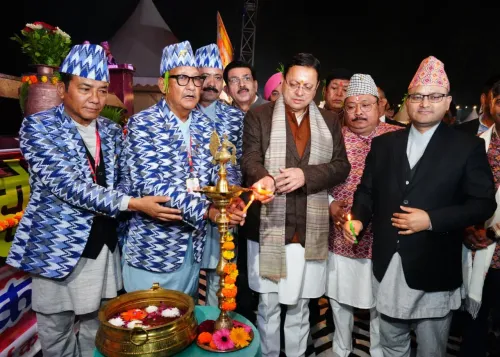
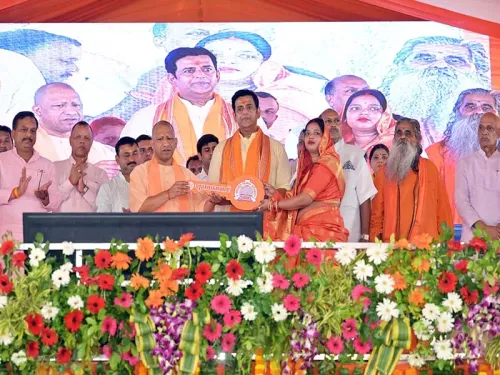
Uttar Pradesh Chief Minister Yogi Adityanath is set to celebrate Diwali with the Van Tangiya community at Kushmi Jungle in Gorakhpur district on Sunday, 7 November 2026, keeping alive a tradition he began over a decade ago. The community, located roughly 15 kilometres from Gorakhpur city, has been eagerly anticipating the Chief Minister's arrival for the annual 'Deepotsav' celebrations.
What the Visit Entails
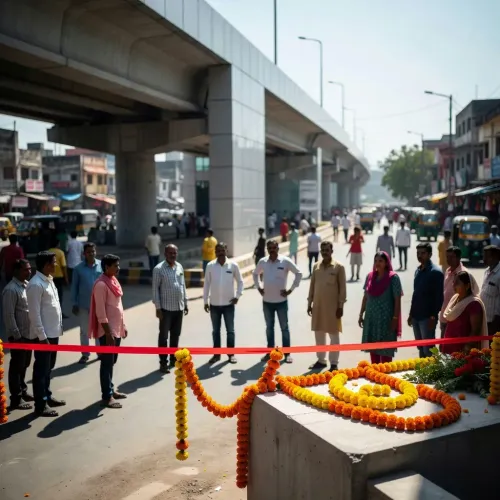
Beyond the festivities, CM Adityanath will inaugurate and lay foundation stones for 52 development projects worth ₹82.41 crore during the visit. The projects span connectivity, infrastructure, tourism, and local commerce — including an interlocking road to improve access to Van Tangiya villages, an eco-park in Kusmhi forest, and the construction of Vaishvik Nagar Bazaar in Pipraich. As has been his custom, the Chief Minister is also expected to distribute sweets, notebooks, books, and gifts to children, encouraging them to pursue education.
Roots of a Marginalised Community
The Van Tangiya community traces its origins to the British colonial era, when landless labourers were settled inside forests to plant and maintain sal trees using the 'Tangiya' cultivation method, originally imported from Burma. Several Van Tangiya settlements were established across Gorakhpur and Maharajganj districts in 1918. Despite India's independence in 1947, the community remained without formal citizenship rights or access to basic amenities for decades — effectively invisible to the state apparatus.
How Adityanath Entered Their Lives
After becoming Gorakhpur MP in 1998, Adityanath — also the successor to the Gorakhnath Math — took up the community's cause, initially focusing on education and healthcare. Institutions under the Maharana Pratap Shiksha Parishad and mobile medical units from Guru Gorakhnath Hospital were deployed for welfare efforts. In 2009, he faced legal challenges from the Forest Department while supporting the construction of a temporary school for Van Tangiya children; the school was ultimately established and continues to function. That same year, he initiated the tradition of celebrating Diwali with the community — a practice that has continued uninterrupted ever since.
Transformation Under His Chief Ministership
As Chief Minister, Adityanath granted revenue village status to Van Tangiya settlements, a crucial administrative step that unlocked access to government welfare schemes and public services. Today, the 23 Van Tangiya villages in Gorakhpur and Maharajganj are equipped with housing, roads, electricity, drinking water, schools, streetlights, anganwadi centres, and RO water systems. Residents now hold Aadhaar cards, ration cards, LPG connections, cultivable land, and access to pension schemes — rights they were denied for generations. Villagers describe the change in their quality of life as 'dramatic', and many say festivals now feel incomplete without the Chief Minister's presence.
Point of View
Stretching from his MP days to his Chief Ministership, has produced verifiable, ground-level change: revenue village status, Aadhaar enrolment, school access. Yet the tradition also functions as a carefully curated image event, one that keeps a marginalised community visually tied to a single political figure rather than to institutional entitlements. The ₹82.41 crore project slate announced this year raises a fair question: how much of this development pipeline would have materialised without the annual optics of a CM lighting diyas in a forest village?
NationPress
7 Nov 2026
Frequently Asked Questions
Why does Yogi Adityanath celebrate Diwali with the Van Tangiya community every year?
Adityanath began the tradition in 2009 to bring recognition and dignity to a community that had been historically marginalised and isolated from mainstream society. The annual visit, which he started as Gorakhpur MP, has continued uninterrupted since he became Chief Minister and has become a symbol of his political identity with the community.
Who are the Van Tangiya people of Gorakhpur?
The Van Tangiya are descendants of landless labourers settled in forests of Gorakhpur and Maharajganj districts in 1918 during the British era to plant and maintain sal trees using the 'Tangiya' method imported from Burma. Despite India's independence in 1947, the community lacked formal citizenship rights and access to basic amenities for decades.
What development projects will CM Adityanath inaugurate during the Diwali visit?
He will inaugurate and lay foundation stones for 52 projects worth ₹82.41 crore, including an interlocking road to improve connectivity to Van Tangiya villages, an eco-park in Kusmhi forest, and the construction of Vaishvik Nagar Bazaar in Pipraich.
What rights and facilities do Van Tangiya villagers now have?
Following the grant of revenue village status by CM Adityanath, the 23 Van Tangiya villages in Gorakhpur and Maharajganj now have housing, roads, electricity, drinking water, schools, streetlights, anganwadi centres, and RO water systems. Residents also hold Aadhaar cards, ration cards, LPG connections, cultivable land, and access to pension schemes.
What was the legal challenge Adityanath faced over Van Tangiya education in 2009?
In 2009, Adityanath faced opposition from the Forest Department while supporting the construction of a temporary school for Van Tangiya children on forest land. Despite the legal hurdles, the school was established and continues to function as a symbol of the community's struggle for basic rights.