Pakistan polio worker attacks kill hundreds, enabling endemic spread
Synopsis
Pakistan is the only country alongside Afghanistan where wild poliovirus remains endemic — and a key reason is organised militant violence against health workers. The TTP's false vaccine narratives have made entire districts unreachable, and the body count among polio workers and their police escorts keeps rising. This is not a health failure; it is a deliberate, sustained assault on a global eradication mission.
Key Takeaways
Hundreds of polio workers and security personnel have been killed in Pakistan in recent years due to militant attacks.
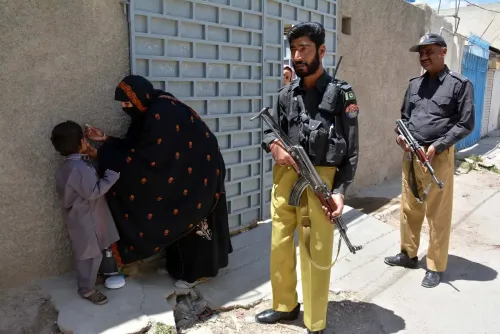
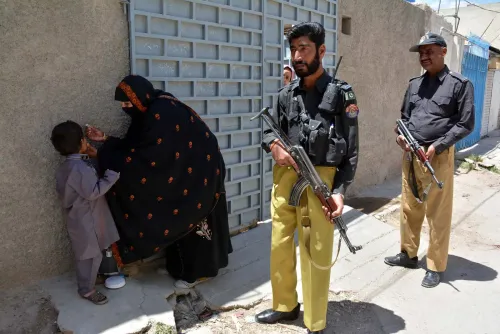
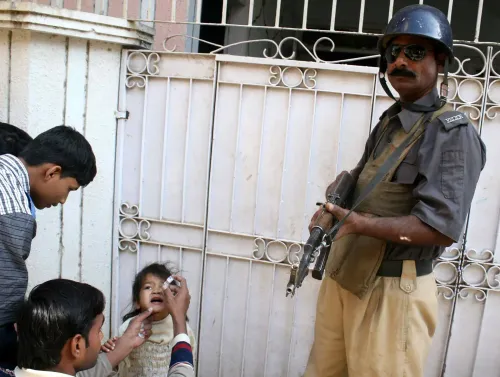
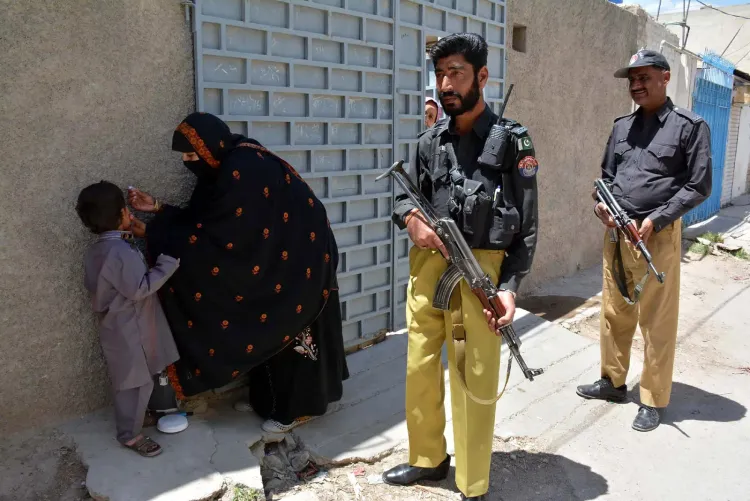
On 18 May , at least two police personnel escorting polio teams were killed in Bajaur district, Khyber Pakhtunkhwa .
On 24 May , a police officer was seriously injured in a firing incident in Chaman district, Balochistan .
Tehreek-e-Taliban Pakistan (TTP) has spread the false narrative that polio drops contain pig extracts and are religiously forbidden.
Pakistan and Afghanistan are the only two countries in the world where wild poliovirus remains endemic.
The violence has made it impossible for authorities to reach all children, directly contributing to a rise in polio cases.
Hundreds of polio workers and security personnel have been killed across Pakistan in recent years as militant groups continue to weaponise fear against the country's most vulnerable — its children. According to a report in leading Pakistani daily The Express Tribune, the sustained obstruction of polio eradication efforts is perpetuating preventable suffering on a mass scale, with Pakistan and Afghanistan remaining the only two countries in the world where wild poliovirus is still endemic.
The Scale of the Violence
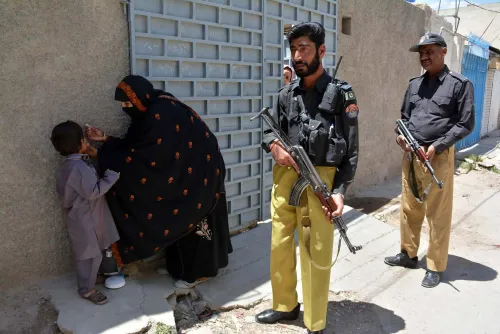
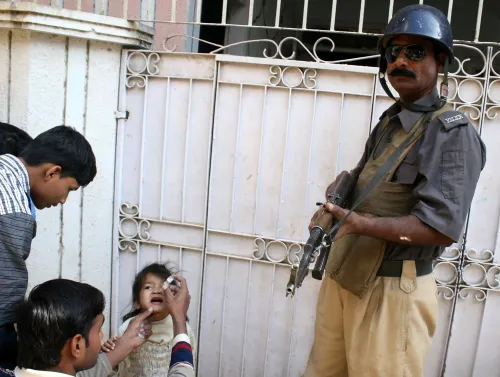
The attacks are not isolated incidents. On 18 May, at least two police personnel escorting polio vaccination teams were killed in separate incidents in Bajaur district of Khyber Pakhtunkhwa. Unidentified assailants targeted teams in the Tabbai and Dag Qila regions of Salarzai, according to a senior police official cited by Geo News.
Days later, on 24 May, a police officer deployed with a polio vaccination team was seriously injured in a firing incident near the Ishaqzai Qila area of Chaman district in Balochistan. The polio team members were evacuated safely, additional personnel were deployed, and a search operation was launched to locate the attackers, according to local media reports.
The Extremist Narrative Fuelling the Crisis
The violence is underpinned by deliberate disinformation. Islamist extremist groups — most prominently Tehreek-e-Taliban Pakistan (TTP) — have propagated the false claim that polio drops contain pig extracts and are therefore religiously forbidden. This narrative has found particular traction in the tribal communities of Balochistan and Khyber Pakhtunkhwa, where suspicion of government health programmes already runs deep.
The Express Tribune report states: 'These health workers carry vaccines, not weapons, yet extremist groups hunt them as though they are enemies rather than individuals dedicated to safeguarding children's futures. By obstructing vaccination efforts, militant groups effectively place children at risk of a preventable and life-altering disease.'
Impact on Eradication Efforts
The cumulative effect of the violence and disinformation has made it effectively impossible for health authorities to reach all children in affected areas. This coverage gap has directly contributed to a documented rise in polio cases in Pakistan. The country's failure to achieve eradication is not a public health failure alone — it is, according to the report, 'a direct attack not just on a critical global health mission but on humanity itself.'
Notably, this pattern has persisted for over a decade. Polio workers have faced organised violence in Pakistan since at least 2012, when a wave of targeted killings first drew global condemnation. The recurrence of attacks signals that neither security deployments nor community outreach have yet broken the cycle.
What Comes Next
With wild poliovirus endemic only in Pakistan and Afghanistan, the global eradication goal cannot be achieved without securing safe access for vaccination teams in these two countries. Health officials and international organisations face the dual challenge of countering extremist propaganda and ensuring physical protection for workers on the ground. Until both are addressed, children in Pakistan's most conflict-affected districts will remain at risk of a disease the rest of the world has already consigned to history.
Point of View
With strategic clarity, that blocking vaccination is a low-cost, high-impact tool: it breeds distrust of the state, sustains a visible symbol of government failure, and imposes long-term human costs on civilian populations. What mainstream coverage underplays is that the international community's eradication timeline is being held hostage by a militant calculation, not a logistical shortfall. Deploying more police escorts treats the symptom; dismantling the false-narrative ecosystem is the harder, more necessary intervention that no government has yet managed at scale.
NationPress
16 Oct 2026
Frequently Asked Questions
Why are polio workers being attacked in Pakistan?
Polio workers in Pakistan are being targeted primarily by militant groups such as Tehreek-e-Taliban Pakistan (TTP), which has propagated false narratives that polio vaccines are religiously forbidden. These groups use violence to obstruct government health programmes and deepen public distrust of the state.
How many polio workers have been killed in Pakistan?
Hundreds of polio workers and security personnel have been killed in Pakistan in recent years, according to a report in The Express Tribune. The violence has intensified in districts of Balochistan and Khyber Pakhtunkhwa.
Is Pakistan the only country where polio still exists?
Pakistan and Afghanistan are the only two countries in the world where wild poliovirus remains endemic. Sustained militant obstruction of vaccination campaigns is a key reason Pakistan has been unable to achieve eradication.
What happened in the May 2024 polio worker attacks?
On 18 May, at least two police personnel escorting polio teams were killed in Bajaur district, Khyber Pakhtunkhwa. On 24 May, a police officer was seriously injured in a firing incident in Chaman district, Balochistan, though the polio team members were evacuated safely.
What false claims are being spread about the polio vaccine in Pakistan?
The TTP and allied groups have falsely claimed that polio drops contain pig extracts and are therefore religiously prohibited. This disinformation has been particularly effective in tribal communities in Balochistan and Khyber Pakhtunkhwa, leading many families to refuse vaccination for their children.