Pakistan polio endemic: Nearly 1 million children missed in single campaign
Synopsis
Pakistan and Afghanistan remain the world's last two countries with endemic wild poliovirus — and the numbers explain why: nearly 1 million children missed in a single campaign, over 53,000 families refusing vaccination, and routine immunisation coverage estimated as low as 60%, despite official claims of 98%. With nearly 100 health workers killed since 2012, Pakistan's polio crisis is as much a security and accountability failure as a public health one.
Key Takeaways
Pakistan and Afghanistan are the only two countries in the world with endemic wild poliovirus transmission.
Nearly 1 million children were missed during a single vaccination campaign, with over 53,000 families refusing polio drops.
Official claims put vaccination coverage at 98% , but independent estimates place routine immunisation as low as 60% .
Poliovirus has been detected in sewage samples across multiple parts of Pakistan, confirming active circulation.
Nearly 100 polio vaccinators have been killed in attacks in Khyber-Pakhtunkhwa since 2012 .
Critics argue repeated government task forces and campaigns have not delivered sufficient accountability for outcomes.
Pakistan remains one of only two countries in the world — alongside Afghanistan — where wild poliovirus transmission is still endemic, as persistent gaps in vaccination coverage and entrenched community resistance continue to put children at serious risk, according to a recent report. The findings expose a widening gulf between official immunisation claims and ground realities in one of the world's most challenging public health battlegrounds.
The Scale of the Coverage Gap
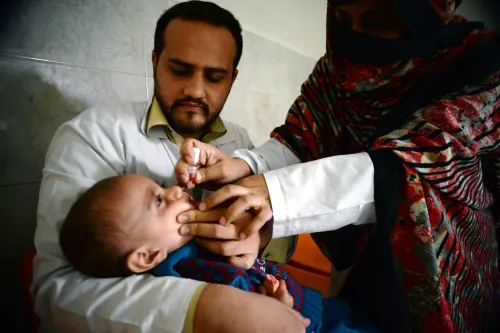
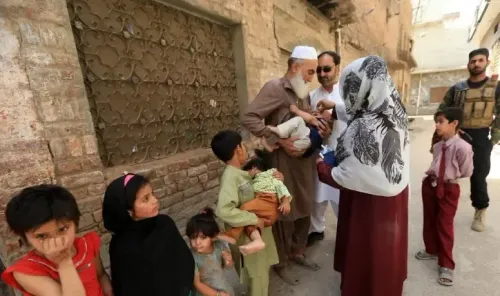
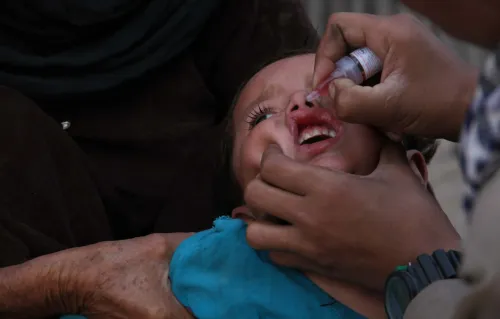
Despite repeated nationwide vaccination drives, nearly one million children were missed during a single campaign alone, according to the report. More than 53,000 families reportedly refused to allow their children to receive polio drops, reflecting deep-seated vaccine hesitancy in parts of the country.
Government officials and health functionaries have claimed that approximately 98 per cent of citizens are fully vaccinated. However, independent estimates of routine immunisation coverage have placed the actual figure as low as 60 per cent — a stark discrepancy that critics argue undermines the credibility of official reporting.
Virus Still Circulating in Sewage Samples
The continued detection of poliovirus in sewage samples across multiple regions of Pakistan has further compounded concerns. Environmental surveillance data indicates that wild poliovirus remains in active circulation and that transmission has not been interrupted — a critical threshold required for eradication to be declared.
This is not merely a logistical failure; it signals that population-level immunity — the essential barrier needed to halt transmission — has not been achieved in key geographies.
Security Threats and Ground Realities in Khyber-Pakhtunkhwa
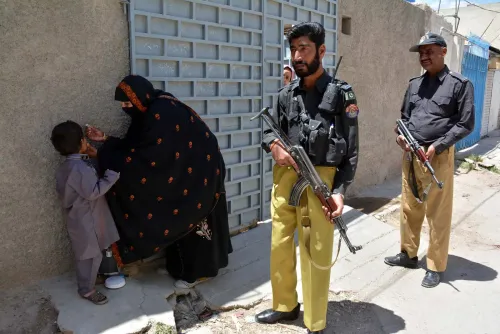
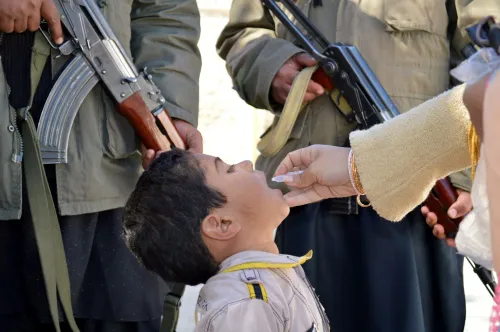
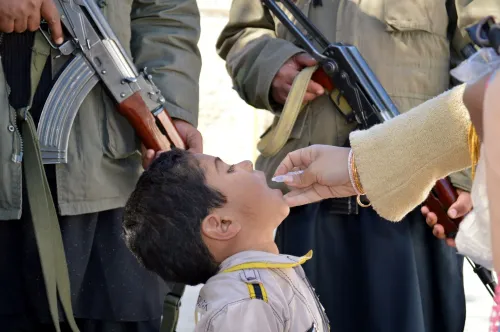
Pakistan's polio crisis has been particularly acute in Khyber-Pakhtunkhwa, where vaccination teams have faced militant attacks, community resistance, and significant access challenges. Nearly 100 people have reportedly been killed in targeted attacks on polio vaccinators since 2012 — a grim toll that has hampered the ability of health workers to reach the most vulnerable children.
A combination of security threats, entrenched poverty, and vaccine hesitancy has severely complicated eradication efforts. Notably, other countries that faced comparable challenges — including conflict, poverty, and public resistance — have nonetheless managed to interrupt poliovirus transmission, raising pointed questions about programme design and government accountability in Pakistan's case.
Accountability Gaps and Programme Failures
The persistence of endemic polio has drawn growing criticism of the government's approach. Analysts and public health advocates argue that repeated directives, task forces, and externally supported programmes have not been matched by sufficient accountability for outcomes or genuine community engagement.
Low routine immunisation coverage leaves entire communities vulnerable to outbreaks and makes the population-level protection threshold — necessary to halt transmission — structurally out of reach. The lack of trust among significant sections of the population remains, according to the report, one of the most formidable obstacles to achieving comprehensive immunisation.
What Comes Next
Until Pakistan closes the gap between claimed and actual vaccination rates and addresses the structural barriers to reaching missed children, wild poliovirus will continue to circulate — posing a risk not only domestically but also to neighbouring countries and the broader global eradication effort. Sustained accountability, independent coverage verification, and meaningful community engagement are widely seen as the minimum prerequisites for progress.
Point of View
Impoverished nations have managed to interrupt poliovirus transmission, yet Pakistan has not. Repeated externally-funded campaigns and government task forces have not produced the one outcome that matters — stopping the virus. Until independent verification replaces self-reported coverage data, and until community trust is rebuilt from the ground up rather than managed from the top down, the eradication milestone will remain out of reach.
NationPress
13 Sept 2026
Frequently Asked Questions
Why does Pakistan still have polio when most of the world has eliminated it?
Pakistan is one of only two countries — alongside Afghanistan — where wild poliovirus transmission remains endemic, due to persistent gaps in vaccination coverage, community resistance, and security threats against health workers. Low routine immunisation coverage, estimated as low as 60% by independent sources, means population-level immunity has not been achieved in key areas.
How many children were missed in Pakistan's polio vaccination campaigns?
According to the report, nearly one million children were missed during a single vaccination campaign. Additionally, more than 53,000 families reportedly refused to allow their children to receive polio drops.
What is the situation in Khyber-Pakhtunkhwa?
Khyber-Pakhtunkhwa has been the most severely affected region, with vaccination teams facing militant attacks, community resistance, and access difficulties. Nearly 100 people have reportedly been killed in attacks targeting polio vaccinators since 2012.
What does poliovirus in sewage samples mean for Pakistan?
The detection of poliovirus in sewage samples from multiple parts of Pakistan indicates that the virus remains in active circulation and that transmission has not been interrupted — a critical benchmark for progress toward eradication. It also suggests that communities lack the population-level immunity needed to stop the virus from spreading.
What needs to change for Pakistan to eradicate polio?
Experts and analysts argue that Pakistan needs independent verification of vaccination coverage rather than self-reported figures, stronger accountability for programme outcomes, and genuine community engagement to address vaccine hesitancy. Closing the gap between official claims of 98% coverage and the independently estimated 60% figure is seen as a prerequisite for progress.