Pakistan drifting to civilian dictatorship under Shehbaz Sharif, report warns

Synopsis
A leading Bangladeshi daily has called Pakistan's Shehbaz Sharif government a 'captive' administration trapped by Imran Khan phobia — defying a Supreme Court hospitalisation order, suspending a PTI provincial government via Governor's Rule, and, critics argue, deploying the Constitution selectively. The verdict: Pakistan is drifting toward civilian dictatorship, and the man locked in Adiala Jail is driving the country's politics from his cell.
Key Takeaways
A report by Bangladeshi daily Porthom Alo accuses the Shehbaz Sharif government of pushing Pakistan toward civilian dictatorship .
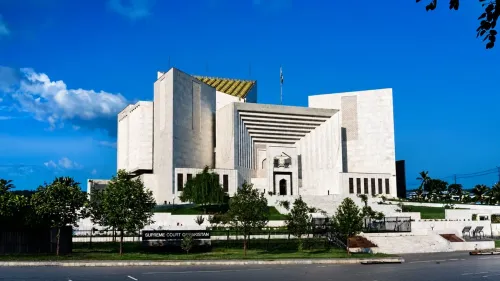
The Supreme Court of Pakistan ordered Imran Khan's transfer to Al-Shifa Hospital, Islamabad on 18 August ; the order was not implemented.
Instead, Khan was briefly taken to PIMS and returned to Adiala Jail , where he has been held for three years .
Governor's Rule was imposed in Khyber Pakhtunkhwa after talks with PTI Chief Minister Sohail Afridi broke down over the long march.
The report accuses the government of selective constitutionalism — invoking the Constitution when convenient and ignoring it when inconvenient.
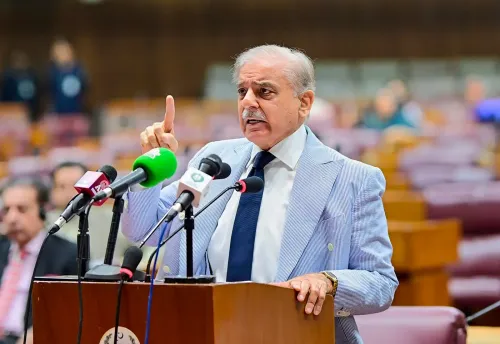
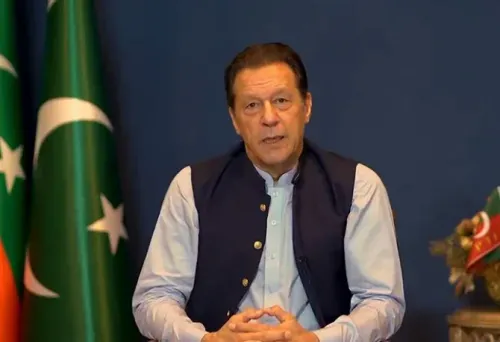
Pakistan under Prime Minister Shehbaz Sharif is sliding toward a civilian dictatorship, driven by an all-consuming fear of jailed former Prime Minister Imran Khan, according to a report published by leading Bangladeshi daily Porthom Alo earlier this week. The analysis describes the Sharif administration as a 'captive government' — one paralysed by what it calls 'Imran Khan phobia' — unwilling to release the former premier or even comply with a Supreme Court order to transfer him to hospital.
The Supreme Court Order That Was Ignored
At the heart of the crisis lies a directive that was simply not followed. On 18 August, the Supreme Court of Pakistan ordered that Imran Khan, incarcerated at Rawalpindi's Adiala Jail for the past three years, be transferred to Al-Shifa Hospital in Islamabad within two days. Instead, according to the report, the Shehbaz Sharif government arranged a brief visit to the Pakistan Institute of Medical Sciences (PIMS) and returned Khan to Adiala Jail — effectively sidestepping the court's directive.
The report argued that had the court's order been implemented, both the subsequent imposition of Governor's Rule in Khyber Pakhtunkhwa and the Pakistan Tehreek-e-Insaf (PTI) long march would have been averted. Notably, this selective engagement with the Constitution — embracing it when convenient and bypassing it when inconvenient — draws a sharp parallel with Imran Khan's own conduct in office, the report observed.
Governor's Rule and the Long March
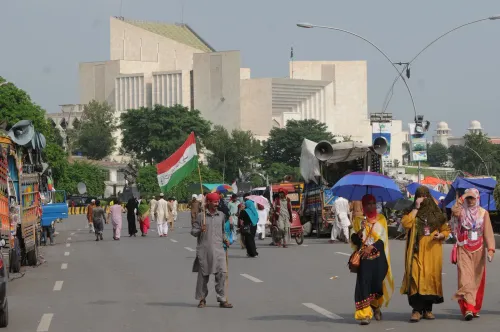
Sohail Afridi, Chief Minister of Khyber Pakhtunkhwa and a PTI leader, announced a long march toward Islamabad demanding Imran Khan's release. The federal government entered into negotiations with PTI, but those talks collapsed after Afridi insisted that only a direct instruction from Khan himself could halt the march — a condition Islamabad reportedly refused to accept.
Holding Afridi responsible for the breakdown, the federal government moved to impose Governor's Rule in Khyber Pakhtunkhwa, suspending the PTI-led provincial government. While Pakistan has a precedent for such interventions, the report cautioned that the country appears to be 'repeating the same troubled past' — with consequences it described as historically painful.
Selective Constitutionalism: The Report's Core Charge
The Bangladeshi daily's most pointed criticism is directed at the government's relationship with the Constitution itself. 'The Shehbaz Sharif government's position is that whatever they are doing, they are doing within the Constitution. The Constitution also commands them to implement the Supreme Court's orders, but where the Constitution becomes an obstacle in their path, they ignore it. Where the Constitution serves the fulfillment of their political agenda, they become champions of the Constitution. Imran Khan used to do much the same,' the report noted.
This charge of selective constitutionalism, critics argue, is particularly damaging for a civilian government that has frequently positioned itself as a defender of democratic norms against Khan's populist politics.
What This Means for Pakistan's Political Stability
The developments underline a deepening governance crisis in Pakistan, where the political landscape continues to revolve around a single imprisoned figure. With PTI's organisational strength intact despite its leadership being behind bars, and with the judiciary's directives going unimplemented, the tension between executive authority and constitutional oversight appears set to intensify.
Whether the Sharif government can stabilise its position — or whether the Governor's Rule gambit and the suppression of the long march will further inflame PTI's base — remains the central question Pakistan's political observers are watching closely.
Point of View
It signals that civilian rule in Pakistan has become indistinguishable from the authoritarian patterns it claims to oppose. The Governor's Rule gambit in Khyber Pakhtunkhwa may buy Islamabad tactical ground, but it risks deepening PTI's victimhood narrative and entrenching the very political polarisation it seeks to end. Pakistan's institutional erosion is now being documented not just domestically, but from its neighbours — a reputational signal Islamabad cannot afford to ignore.
NationPress
17 Oct 2026
Frequently Asked Questions
Why is Pakistan being described as heading toward civilian dictatorship?
A report by leading Bangladeshi daily Porthom Alo argues that the Shehbaz Sharif government is defying a Supreme Court order, suspending a provincial government, and selectively applying the Constitution — all to neutralise political opposition centred on jailed former PM Imran Khan. Critics contend these actions collectively mirror authoritarian governance under a civilian facade.
What was the Supreme Court order that Pakistan's government ignored?
On 18 August, the Supreme Court of Pakistan ordered that Imran Khan be transferred from Adiala Jail to Al-Shifa Hospital in Islamabad within two days. Instead, the government reportedly took him briefly to PIMS and returned him to jail, effectively ignoring the court's directive.
Why was Governor's Rule imposed in Khyber Pakhtunkhwa?
Governor's Rule was imposed in Khyber Pakhtunkhwa after talks between the federal government and PTI Chief Minister Sohail Afridi collapsed. Afridi, who had announced a long march to Islamabad demanding Imran Khan's release, said only Khan could instruct him to stand down — a condition the federal government refused, blaming Afridi for the failure and suspending the PTI-led provincial government.
How long has Imran Khan been in jail?
According to the report, Imran Khan has been imprisoned at Rawalpindi's Adiala Jail for the past three years. Pakistan's politics, the report argues, continues to revolve almost entirely around his incarceration.
What is the significance of the Porthom Alo report on Pakistan?
The report is significant because it represents an independent, external assessment of Pakistan's political crisis from a respected Bangladeshi newspaper. Its use of terms like 'captive government', 'Imran Khan phobia', and 'civilian dictatorship' reflects growing regional concern about democratic backsliding in Pakistan and adds to international scrutiny of the Shehbaz Sharif administration's constitutional conduct.