Pakistan airstrikes kill, injure 800+ Afghan civilians in 10+ attacks since February
Synopsis
Since February, Pakistan has struck Afghan territory more than 10 times, killing and injuring over 800 civilians — including a single attack on a Kabul drug rehabilitation centre that reportedly killed more than 400 people. Analysts are calling it a deliberate destabilisation strategy, and some are using the word 'war crimes.' The international community has yet to formally respond.
Key Takeaways
Pakistan has conducted more than 10 airstrikes across Afghanistan since February 2025 , killing and injuring over 800 civilians .
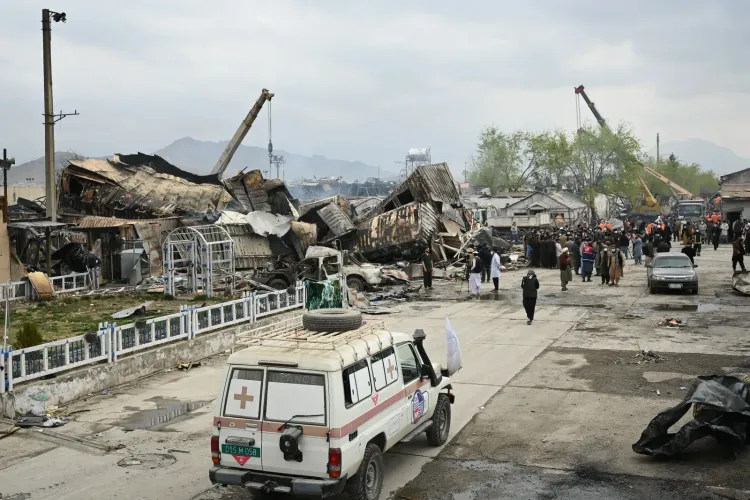
A 16 March strike on a drug rehabilitation centre in Kabul reportedly killed more than 400 people and injured over 260 .
On 28 June , strikes on Paktia , Paktika , and Kunar killed 36 civilians , including women and children, and injured 163 others.
Targeted infrastructure includes residential homes, hospitals, schools, and universities across 7 provinces .
Multiple analysts have described the attacks as 'war crimes' and called for international human rights investigations.
Pakistan cites militant presence in Afghanistan as justification, but reports indicate ISIS -linked centres also operate inside Pakistan.
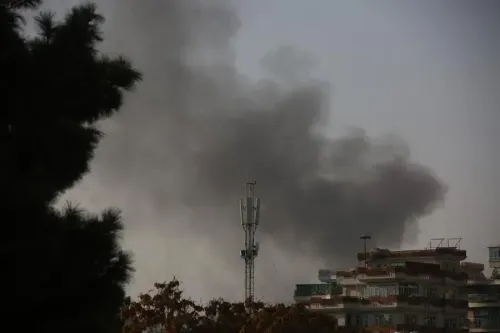
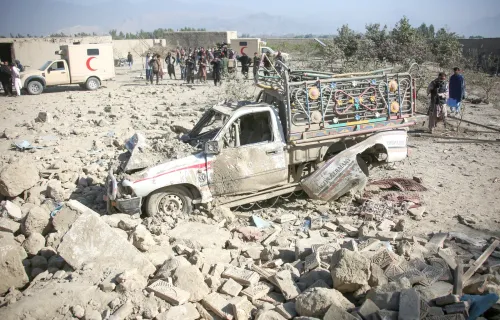
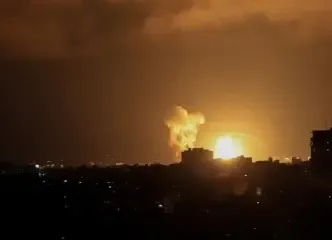
Pakistan has carried out more than 10 airstrikes across Afghanistan over the past five months, resulting in the deaths and injuries of more than 800 civilians, according to Afghan media reports published on Tuesday, 30 June. The strikes have targeted multiple provinces and hit civilian infrastructure including hospitals, schools, and universities, raising alarm among analysts who have described the attacks as potential war crimes.
Provinces Targeted and Scale of Destruction
According to findings reported by Afghan outlet Tolo News, the strikes have hit several provinces including Khost, Paktia, Paktika, Kunar, Kabul, Nangarhar, and Kandahar. Civilians have borne the brunt of the casualties, with residential homes, rehabilitation centres, and educational institutions among the documented targets.
Key Incidents Documented
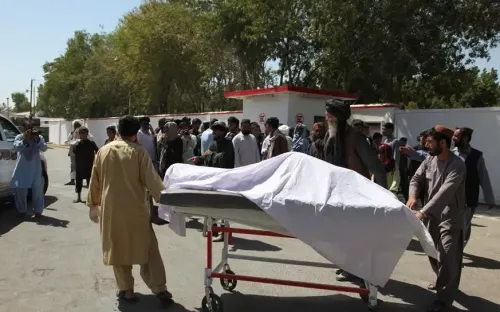
On 21 February, airstrikes on Paktika, Nangarhar, and Khost provinces killed 18 people, including 11 children. On 16 March, an attack on a drug rehabilitation centre in Kabul reportedly killed more than 400 people and injured over 260 others, according to Tolo News findings. An April 27 strike targeted Sayed Jamaluddin Afghani University in Kunar province, injuring around 30 students and lecturers. On 10 June, airstrikes on Khost, Kunar, and Paktika provinces reportedly killed 13 people.
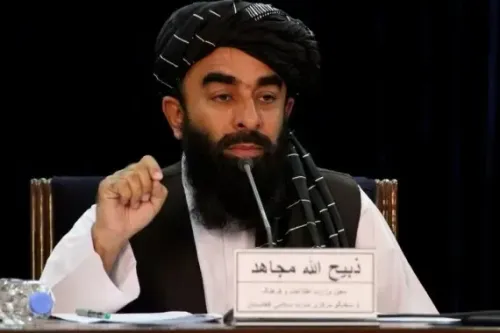
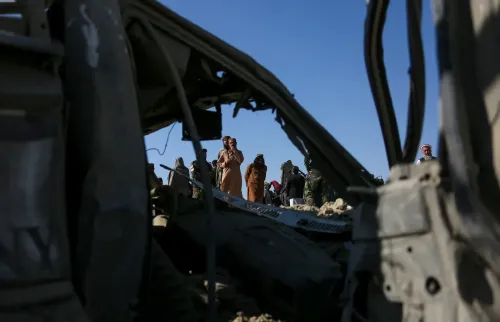
Most recently, on the night of 28 June, Pakistani military airstrikes on Paktia, Paktika, and Kunar provinces killed 36 civilians, including women and children, while injuring 163 others. Taliban Deputy Spokesman Hamdullah Fitrat confirmed the toll on Monday.
What Analysts and Officials Said
Political analyst Akhtar Mohammad Rasikh, quoted by Tolo News, said: 'Pakistan's military, intelligence agencies, and political leaders are pursuing a strategy aimed at destabilising Afghanistan. The outcome of this strategy is the killing of Afghans, insecurity in the country, turning Afghanistan into Pakistan's backyard, and imposing the Durand Line as the official border.'
Military analyst Sadiq Shinwari described the strikes as a clear violation of Afghan sovereignty, saying: 'Pakistan's repeated airstrikes, including Sunday's attacks, are a clear violation of Afghanistan's territorial integrity. They have resulted in the deaths of civilians, particularly women and children, and have no justification.'
Several analysts have characterised the targeting of civilians as 'war crimes' and have called on international human rights organisations to investigate.
Pakistan's Justification and the Wider Context
Islamabad has repeatedly cited the presence of militant groups operating inside Afghanistan as justification for the cross-border strikes. However, reports indicate that ISIS-affiliated centres continue to operate inside Pakistan itself, a contradiction that critics argue undermines the stated rationale. The strikes come amid longstanding tensions over the disputed Durand Line border, which Afghanistan has never formally recognised.
Calls for International Accountability
With the civilian death toll mounting and critical infrastructure repeatedly struck, pressure is growing on international bodies to respond. No formal international investigation has been announced as of 30 June. The pattern of strikes — escalating in frequency and lethality since February — suggests the situation is unlikely to de-escalate without external diplomatic intervention.
Point of View
Universities, and residential areas across seven provinces — makes Pakistan's 'counter-terrorism' justification increasingly difficult to sustain. A single attack on a Kabul drug rehab centre that reportedly killed over 400 people is not a precision strike on militants; it is the single deadliest incident documented in the region in years, and it has drawn almost no sustained international condemnation. The Durand Line subtext matters: Islamabad's long-term interest in forcing Kabul to formally recognise the border gives these strikes a political dimension that goes beyond counter-insurgency. Without a credible international investigation, the accountability gap will widen — and the strikes will likely continue.
NationPress
29 Sept 2026
Frequently Asked Questions
How many civilians have been killed or injured in Pakistani airstrikes on Afghanistan?
More than 800 civilians have been killed or injured across Afghanistan in over 10 Pakistani airstrikes since February 2025, according to Afghan media reports. The toll includes victims from provinces such as Khost, Paktia, Paktika, Kunar, Kabul, Nangarhar, and Kandahar.
What was the deadliest single Pakistani airstrike on Afghanistan in 2025?
The deadliest documented incident was a 16 March strike on a drug rehabilitation centre in Kabul, which reportedly killed more than 400 people and injured over 260 others, according to Tolo News findings.
What happened in the Pakistani airstrikes on 28 June 2025?
On the night of 28 June, Pakistani military airstrikes on Paktia, Paktika, and Kunar provinces killed 36 civilians — including women and children — and injured 163 others. Taliban Deputy Spokesman Hamdullah Fitrat confirmed the toll on Monday.
Why is Pakistan carrying out airstrikes inside Afghanistan?
Pakistan has cited the presence of militant groups operating from Afghan territory as justification for the cross-border strikes. However, analysts and Afghan officials dispute this rationale, and reports indicate that ISIS-affiliated centres also continue to operate inside Pakistan.
Have international organisations responded to the airstrikes on Afghanistan?
As of 30 June, no formal international investigation has been announced. Multiple analysts have called on international human rights organisations to investigate, with some describing the targeting of civilian infrastructure as war crimes.