Pakistan summons Imran Khan's sister Noreen Niazi over political speech
Synopsis
Pakistan's cyber-crime agency summoned Imran Khan's sister Noreen Niazi over a viral interview touching on Pakistan's foreign relations — but analysts say the real story is the government's decision to treat political commentary as a national-security matter, a pattern that critics, including Jemima Goldsmith, warn is systematically silencing dissent.
Key Takeaways
Pakistan's NCCIA summoned Noreen Niazi on 18 July over her interview alleging she spread 'false, offensive, and inflammatory' information.
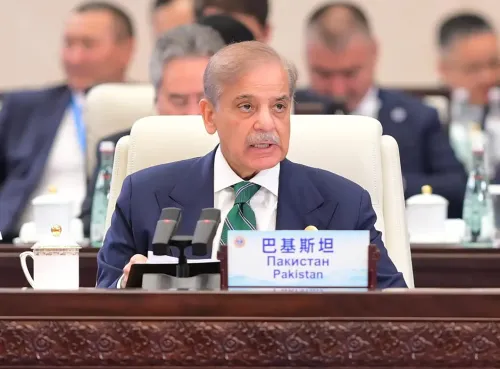
Information Minister Attaullah Tarar accused Niazi of tarnishing Pakistan's international image; ministers Tariq Fazal Chaudhry and Tallal Chaudhry backed the action.
Jemima Goldsmith condemned the move as criminalisation of political speech and a shrinking of public discourse.
Analyst Dimitra Staikou in Europa Wire argued the case reflects how states increasingly treat information as a strategic national-security resource.
Rights groups warn the inquiry could set a precedent for suppressing dissenting political voices in Pakistan.
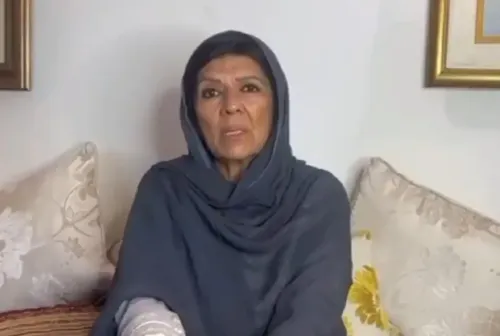
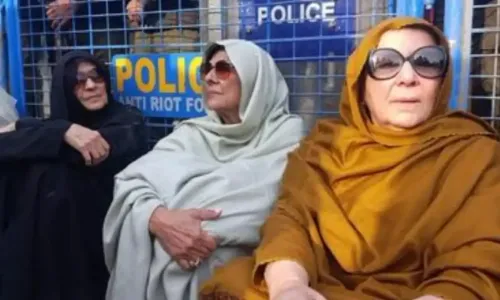
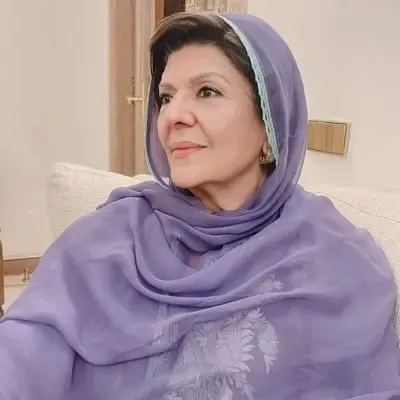
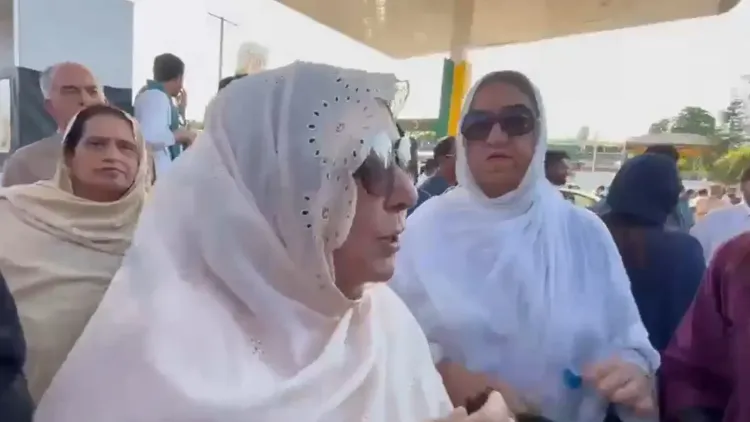
Pakistan's National Cyber Crime Investigation Agency (NCCIA) on 18 July reportedly summoned Noreen Niazi, sister of jailed former Prime Minister Imran Khan, for an inquiry after her interview circulated widely on social media. Authorities alleged she had disseminated 'false, offensive, and inflammatory' information — a move that analysts say signals an accelerating clampdown on political commentary in the country.
What Triggered the Summons
The NCCIA action followed Niazi's interview in which she reportedly made remarks about Pakistan's relations with the United States, India, Iran, and the possible expansion of the Abraham Accords. Information Minister Attaullah Tarar accused Niazi of tarnishing Pakistan's image internationally. Ministers Tariq Fazal Chaudhry and Tallal Chaudhry echoed those concerns, arguing that such statements erode the country's credibility on the global stage.
International Criticism Mounts
Jemima Goldsmith, Imran Khan's former wife, criticised the authorities for what she described as the criminalisation of political speech and the shrinking space for public discourse in Pakistan. Her remarks drew fresh international attention to the case.
Greek lawyer, writer, and journalist Dimitra Staikou, writing in Europa Wire, noted that 'an online political discussion involving Noreen Niazi developed into a national-security controversy in Pakistan after authorities investigated remarks she reportedly made about the country's relations with the United States, India, Iran and the possible expansion of the Abraham Accords.'
Narrative Control as a State Tool
Staikou argued that the significance of the case lies not in the content of Niazi's remarks but in how the Pakistani state chose to frame political commentary as a potential threat to diplomatic credibility and national interests. 'The transformation of a public political statement into the subject of a criminal investigation illustrates a broader shift in the way states perceive the relationship between information, political communication, and national security,' she wrote.
According to her analysis, information is 'no longer viewed solely as a means of shaping public opinion' but has 'increasingly become a strategic resource with potential implications for social cohesion, international credibility, and a state's diplomatic standing.'
Broader Geopolitical Implications
The Niazi case, analysts argue, reflects a wider reality of modern geopolitics in which 'states compete not only for control over territory, strategic resources, or military balances, but also for control over the narratives that shape international legitimacy, credibility, and, ultimately, the exercise of power itself,' according to the Europa Wire report. This comes amid an already constrained media environment in Pakistan, where press freedom indices have consistently ranked the country among the most restrictive in South Asia.
As the inquiry proceeds, rights groups and international observers are likely to scrutinise whether the NCCIA action sets a precedent for treating dissenting political voices as national security threats.
Point of View
Foreign-relations sensitivity — to delegitimise commentary from within the Khan family's orbit, a tactic that sidesteps the messier optics of direct censorship. What is striking is the breadth of the alleged offence: remarks about US, India, Iran, and the Abraham Accords are standard fare in any open political debate, yet here they are treated as threats to state interests. If this precedent holds, it hands authorities a near-limitless toolkit to silence inconvenient voices by simply invoking 'national interest' — a trajectory that should concern democracies watching Pakistan's political trajectory closely.
NationPress
25 Oct 2026
Frequently Asked Questions
Why was Noreen Niazi summoned by Pakistani authorities?
Pakistan's National Cyber Crime Investigation Agency summoned Noreen Niazi on 18 July over an interview in which she reportedly made remarks about Pakistan's foreign relations with the US, India, Iran, and the Abraham Accords. Authorities alleged she had spread 'false, offensive, and inflammatory' content that harmed national interests.
What did Pakistan's ministers say about Noreen Niazi's interview?
Information Minister Attaullah Tarar accused Niazi of tarnishing Pakistan's international image. Ministers Tariq Fazal Chaudhry and Tallal Chaudhry said her statements weakened the country's credibility on the global stage.
How has Jemima Goldsmith responded to the summons?
Jemima Goldsmith, Imran Khan's former wife, criticised Pakistani authorities for what she described as the criminalisation of political speech and a shrinking space for public discourse in the country.
What is the broader significance of the Noreen Niazi case?
Analysts, including journalist Dimitra Staikou writing in Europa Wire, argue the case illustrates a wider global trend in which states treat political information as a strategic national-security resource rather than protected speech. The case is seen as significant not for what Niazi said, but for how the government chose to respond to it.
What could the NCCIA inquiry mean for political speech in Pakistan?
Rights groups warn the inquiry could set a precedent for treating dissenting political commentary as a national-security threat, further narrowing the already constrained space for free expression in Pakistan, which consistently ranks poorly on global press freedom indices.