Is the Pakistani Army a 'Corrupt Mercenary Mafia'?
Synopsis
In a bold statement, Shafi Burfat, Chairman of JSMM, accuses the Pakistani Army of being a 'corrupt mercenary mafia.' This article delves into his claims, highlighting the implications for Pakistan's integrity and international relations. Explore how this accusation could reshape perceptions of the military and its role in global politics.
Key Takeaways
Shafi Burfat criticizes the Pakistani Army's mercenary tendencies.
Accusations highlight a perceived moral decay in military leadership.
The military's role in foreign conflicts raises ethical concerns.
Pakistan's foreign policy is described as a commodity.
Trust between the military and the populace is eroding.
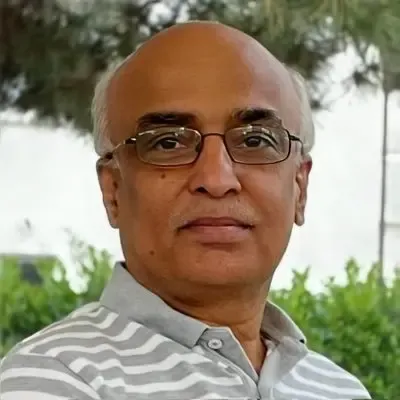
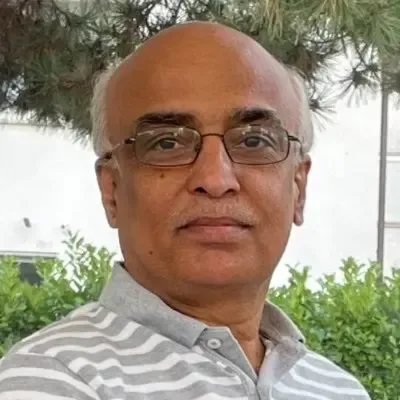
Berlin, Nov 4 (NationPress) Shafi Burfat, the Chairman of the Jeay Sindh Muttahida Maha (JSMM), has leveled serious allegations against the Pakistani Army, labeling it as a “corrupt mercenary mafia” that trades its loyalty for monetary gains and poses a risk of deceiving the United States or any other nation at any time.
Burfat pointed out that this mercenary mentality signifies a more extensive moral decline within Pakistan's leadership. He claimed that the military elite have mastered the art of profiting from chaos rather than promoting stability. Whether it involves instigating conflicts in Afghanistan, manipulating uprisings in India's Kashmir region, or meddling in Middle Eastern wars, the generals of Pakistan have consistently transformed instability into a lucrative enterprise.
“For decades, Pakistan’s global role has resembled that of a mercenary broker, functioning less as a guardian of the state and more as a hired agent for whichever foreign power offers financial incentives. Instead of being driven by ideology, principles, or a consistent policy, the Pakistani Army has frequently aligned itself with fluctuating global forces in pursuit of financial gain,” Burfat expressed on X.
“From the Cold War to the War on Terror, the pattern has remained unchanged: opportunism masquerading as strategy. Pakistan engaged in combat against the Soviet Union in Afghanistan under the guise of jihad, not for freedom or values, but for billions in aid from the U.S. and the West. Many years later, during the ‘War on Terror’, Islamabad once more claimed the role of a frontline ally of NATO and the United States, receiving substantial financial support. Yet simultaneously, Osama bin Laden, the most wanted terrorist globally, was covertly sheltered within Pakistani borders, protected by its security apparatus,” the post further elaborated.
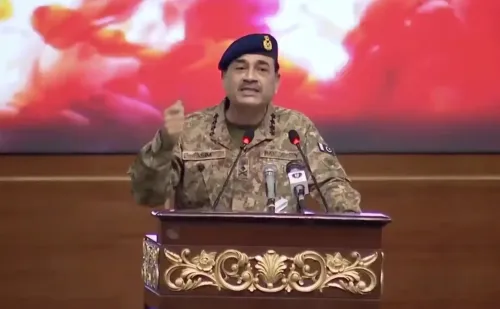
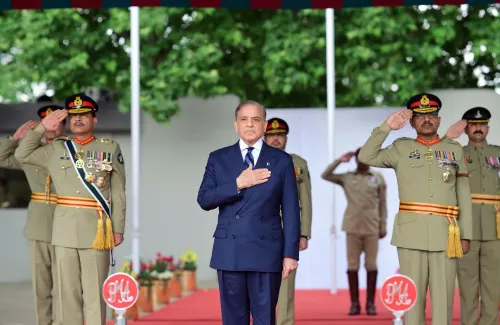
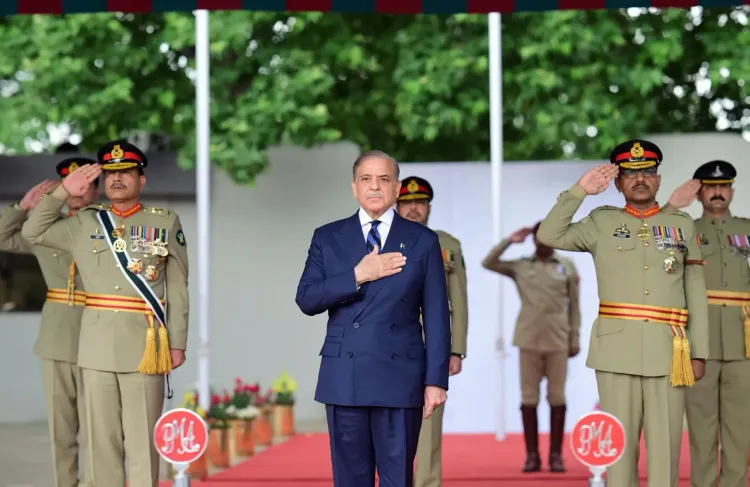
The Sindhi leader criticized the “ignorant” Army Chief Asim Munir, referring to him as a “fake” Field Marshal who, even in the 21st century, clings to the archaic belief that Muslims and Hindus constitute two distinct nations, thereby endorsing a flawed philosophy of nationhood rooted in religion.
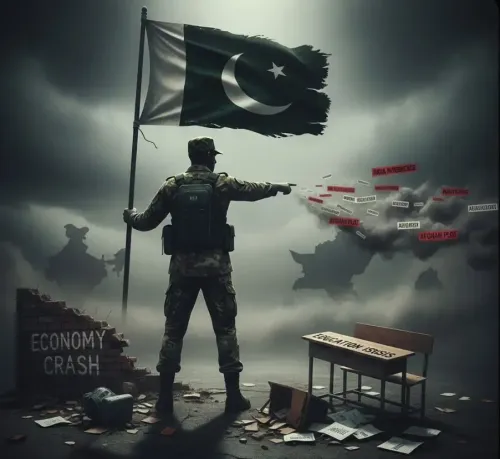
Moreover, Burfat asserted that a nation whose military commodifies loyalty and principles cannot cultivate trust, either with its populace or its allies. He contended that Pakistan’s foreign policy and existence have become marketable commodities, leading to a decline in its global respect and dignity.
“This corrupt mafia has morphed into a fascist entity against the nations within the state, engaging in terrorism in neighboring countries, and selling its own principles and faith to global powers in exchange for dollars. They have now been thoroughly exposed. What remains is a hollow power structure that survives not through integrity or vision, but through the perpetual exchange of allegiance for money,” the Sindhi leader stressed.
Point of View
It's vital to present a balanced view. While Burfat's accusations highlight significant issues regarding military conduct and foreign policy, it's essential to consider the broader context of Pakistan's geopolitical challenges. The military's role is complex, and while accountability is necessary, generalizations can oversimplify multifaceted realities.
NationPress
30 Sept 2026
Frequently Asked Questions
What are the main allegations against the Pakistani Army?
Shafi Burfat accuses the Pakistani Army of acting as a 'corrupt mercenary mafia' that sells loyalty for financial gain, compromising national integrity.
Who is Shafi Burfat?
Shafi Burfat is the Chairman of the Jeay Sindh Muttahida Maha (JSMM), a political organization advocating for Sindhi rights.
What are the implications of Burfat's claims?
Burfat's claims raise concerns about the military's role in Pakistan's foreign policy and its trustworthiness as a national institution.
How has the Pakistani Army historically engaged with foreign powers?
Historically, the Pakistani Army has aligned with various foreign powers for financial aid, often leading to controversial military engagements.
What is the general perception of the Pakistani Army in global politics?
The perception of the Pakistani Army varies, but allegations like Burfat's can negatively impact its reputation and relationships with global allies.