Is Anti-India Sentiment Now a Domestic State Policy for the Pakistani Army?
Synopsis
A striking new report reveals that the Pakistani Army has transformed its anti-India sentiment into a core domestic policy, driven by Field Marshal Asim Munir. This shift raises concerns about regional stability and the implications for Pakistan's military and economic strategies.
Key Takeaways
Anti-India sentiment has evolved into a domestic policy for the Pakistani Army.
Field Marshal Asim Munir is driving this militarization.
There is a divergence in views among senior generals regarding this approach.
This shift raises concerns about regional stability and economic implications.
The hybridization of the state may solidify these tensions permanently.
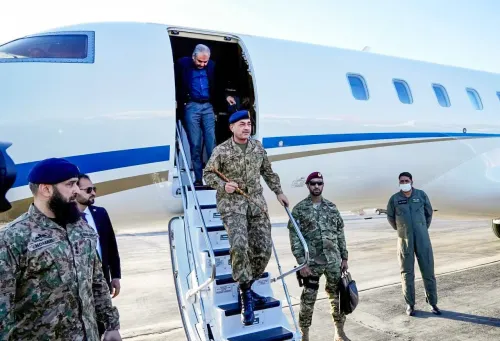
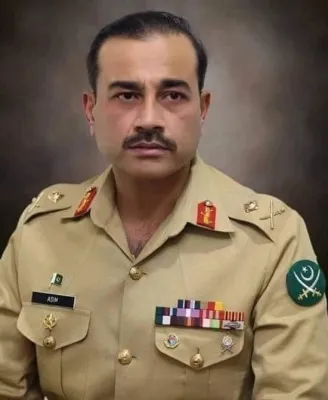
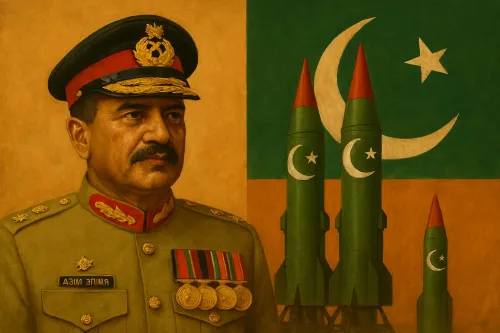
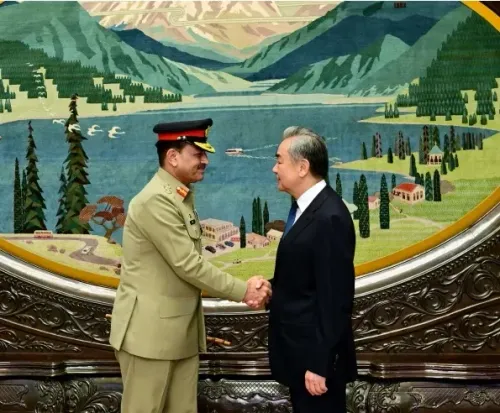
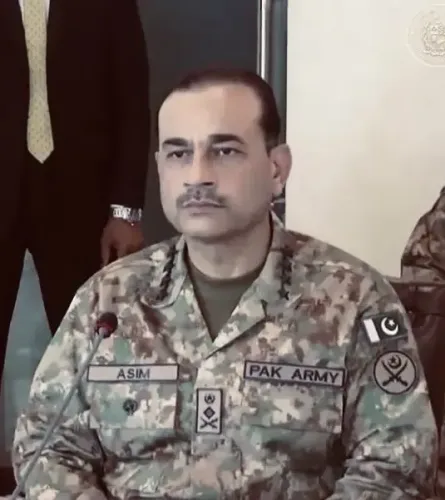
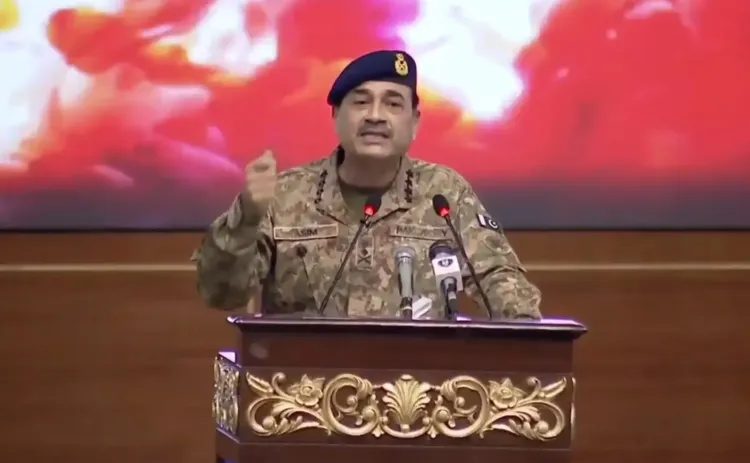
Islamabad, Dec 11 (NationPress) The Pakistani Army has shifted its anti-India sentiment to become a fundamental element of its domestic state policy rather than merely an international concern. This transition is largely driven by Field Marshal Asim Munir, who is focused on the ongoing militarization of Pakistan's hybrid state, as highlighted in a report published on Thursday.
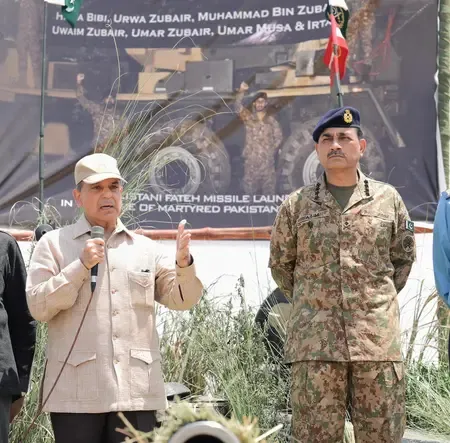
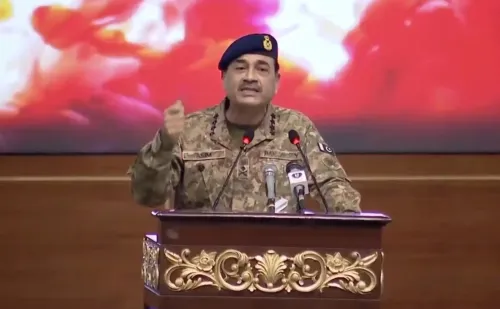
According to the India Narrative, Munir is intensifying his anti-India rhetoric to fortify his power within Pakistan. He views this as a strategy to enhance the operational capacity of the Pakistani military and to bolster its commercial interests at the core of Pakistan's internal politics.
Unlike former Army chiefs who were more strategic with their anti-India rhetoric, the current chief seems to create a cycle of incentives, where each escalation could be rewarded internationally, reminiscent of the aftermath of Pahalgam involving Donald Trump and Munir's diplomatic efforts.
The report also notes a divergence in perspectives between Munir and several senior generals.
A significant issue is Munir's aggressive approach towards India, which has recently sparked military tensions. Some high-ranking officers, including Gen. Sahir Shamshad Mirza, the Chairman of the Joint Chiefs of Staff Committee, reportedly argue that this confrontational method undermines Pakistan's security and economic interests. They advocate for a more restrained approach to prevent further conflict.
Nevertheless, the hybrid nature of the Pakistani state, as represented by Munir, appears to be solidifying two enduring characteristics. The anti-India sentiment has become an intrinsic part of the Pakistani Army's domestic agenda, rather than a mere international matter, necessitating the country to continually validate its role as a security state to its global allies.
With Pakistan announcing a substantial increase in its defense budget for the fiscal year 2025-26, the India Narrative report emphasizes the ongoing disagreement between Munir and top generals.
In conclusion, the hybridization of the state could render the situation irreversible as long as the current chief perceives benefits in escalating tensions, posing significant risks for regional stability. Unlike his predecessors, who were more tactical, Munir appears to utilize anti-India sentiment as a mechanism for enhancing the military's size and its commercial interests within Pakistan's political landscape.
Point of View
I can assert that the current developments regarding the Pakistani Army's anti-India sentiment as a domestic state policy warrant close attention. While the military's rhetoric may be aimed at consolidating power, the long-term implications for both Pakistan and the region could be profound. It is vital to maintain a balanced perspective while analyzing these trends.
NationPress
30 Sept 2026
Frequently Asked Questions
What is the main focus of the report regarding the Pakistani Army?
The report highlights that the anti-India sentiment has shifted to become a domestic state policy for the Pakistani Army, driven by Field Marshal Asim Munir.
How does Munir's approach differ from previous Army chiefs?
Unlike previous chiefs who were strategic, Munir's aggressive rhetoric is seen as a tool to consolidate his power and expand the military's influence.
What are the potential risks of this shift in policy?
The hard-line stance may lead to escalated tensions with India, posing significant risks to regional stability and Pakistan’s economic interests.