Is Pakistan's $4 billion arms deal with Libya a serious breach of UN embargo and a threat to global stability?
Click to start listening
Synopsis
Pakistan's recent arms deal with the Libyan National Army raises significant questions about international law and global stability. This $4 billion agreement may not only breach the UN arms embargo but also tarnish Islamabad's international reputation. Will this lead to sanctions and increased diplomatic isolation for Pakistan?
Key Takeaways
- $4 billion arms deal with the Libyan National Army.
- Potential breach of UN arms embargo.
- Risk of international sanctions and diplomatic isolation.
- Violates ethical commitments and international law.
- Could escalate the ongoing civil war in Libya.
Tripoli, Dec 26 (NationPress) The recent arms agreement between Pakistan and the Libyan National Army (LNA) signifies a grave misjudgment—one that undermines international obligations, escalates the ongoing conflict in Libya, and tarnishes Islamabad's global standing, according to a report released on Friday.
By choosing profit over peace, the report warns that Pakistan may face sanctions, diplomatic estrangement, and moral outrage.
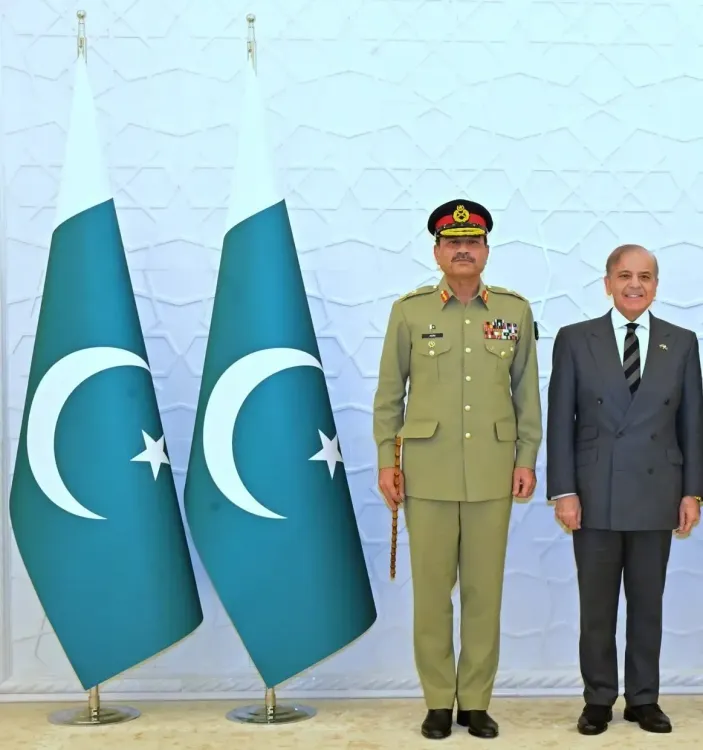
“Pakistan has allegedly finalized a $4 billion arms contract with the LNA, headed by the controversial warlord Khalifa Haftar. This deal, facilitated during a visit from Pakistan’s Chief of Army Staff, General Asim Munir, to meet with Haftar’s son, Major General Saddam Haftar, includes the provision of sophisticated military equipment such as JF-17 fighter jets, tanks, artillery, and other armaments,” stated a report from ‘One World Outlook’.
“On the surface, this represents Pakistan's largest arms export to date, a potential boon for its financially strained defense sector. However, this agreement is a significant blunder, contravening international law, perpetuating Libya's violent civil war, exposing Pakistan to serious repercussions, and undermining the delicate balance of global security. In an era where arms proliferation incites endless strife, this deal serves as a stark illustration of how immediate economic needs can precipitate long-lasting disasters,” the report emphasized.
As highlighted in the report, the most pressing issue is the clear violation of the United Nations arms embargo on Libya, established in 2011 following the upheaval triggered by the NATO-supported ousting of leader Muammar Gaddafi.
“This embargo, upheld by the UN Security Council, forbids the transfer of arms to any Libyan faction to avert exacerbation in a nation already divided by competing governments, militias, and foreign interference. The LNA, located in eastern Libya, does not represent the UN-recognized Government of National Unity (GNU) in Tripoli; rather, it is a rogue entity that has consistently ignored international appeals for unity and disarmament. By supplying arms to Haftar’s faction, Pakistan is not merely flirting with legality; it is blatantly violating it,” the report asserted.
Furthermore, the report noted that this agreement threatens to tarnish Pakistan's reputation and increase its international isolation. The military-led government of General Asim Munir has faced domestic criticism for prioritizing defense contracts over democratic reforms, with this latest pact intensifying accusations of recklessness.
“Globally, this aligns Pakistan with authoritarian regimes, straining relationships with allies who advocate for the UN-led processes. Pakistan seems to be wagering on the wrong player in Libya’s turbulent political landscape, jeopardizing its image as a neutral participant,” the report concluded.
Point of View
It is imperative to recognize that Pakistan's defense agreements should align with both national interests and international law. While the financial incentives of this arms deal are clear, the potential long-term ramifications on our diplomatic standing and global credibility cannot be overlooked. A balanced approach is essential.
NationPress
08/01/2026
Frequently Asked Questions
What is the significance of the $4 billion arms deal?
The deal signifies Pakistan's largest arms export and raises concerns about violating the UN arms embargo, which could lead to international sanctions.
Who is Khalifa Haftar?
Khalifa Haftar is the leader of the Libyan National Army (LNA), a controversial figure in Libya’s ongoing civil war.
What are the potential consequences for Pakistan?
Pakistan may face sanctions, diplomatic isolation, and a tarnished international reputation due to this arms deal.
How does this deal affect global security?
By violating the UN arms embargo, the deal risks exacerbating the conflict in Libya and undermining global security efforts.
What is the UN arms embargo on Libya?
The UN arms embargo on Libya, established in 2011, prohibits the transfer of weapons to any Libyan faction to prevent further escalation of conflict.