Is Pakistan Using Threats and Digital Intimidation to Silence Its Diaspora?
Synopsis
In a shocking revelation, a report highlights how Pakistan, led by Army Chief Asim Munir, is employing threats and digital tactics to suppress voices in its diaspora. As these tactics threaten fundamental freedoms, the global community must recognize and respond to this alarming trend.
Key Takeaways
Pakistan's military regime is intensifying its repression tactics.
Threats to family members left behind are a key coercive tool.
Activists in the US are experiencing self-censorship due to fear of reprisals.
The US Constitution protects free speech from foreign intimidation.
International awareness is crucial to combat these abuses.
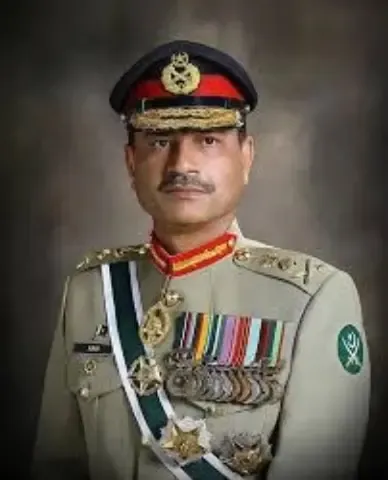
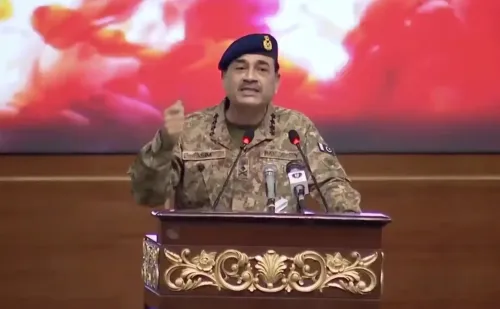
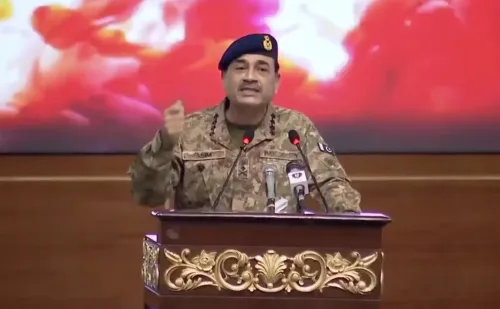
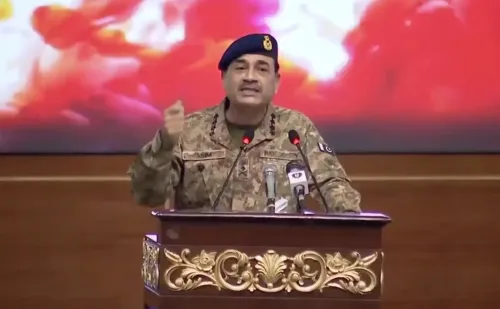
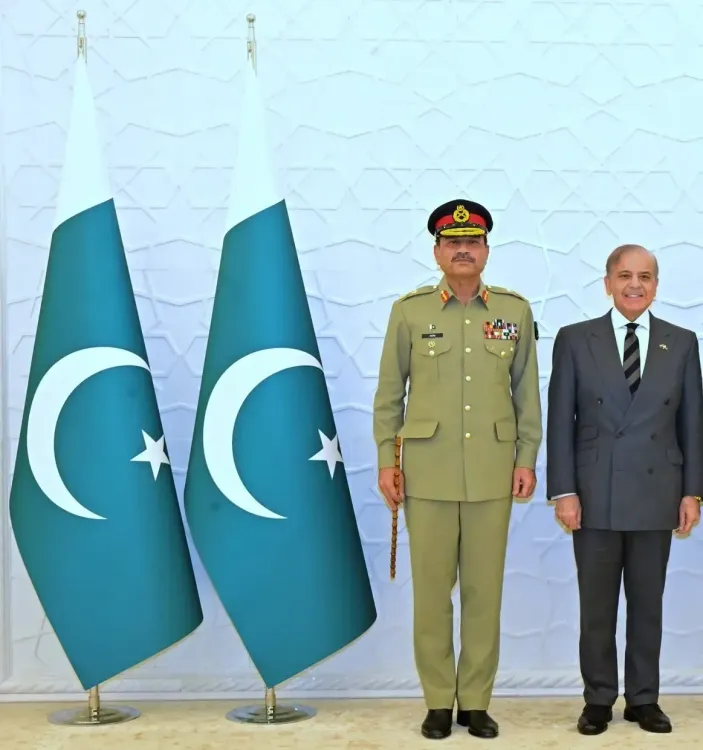
Tel Aviv, Jan 3 (NationPress) Under the leadership of Army Chief Asim Munir, Pakistan is on the verge of normalizing transnational repression through threats aimed at families, digital intimidation, and judicially sanctioned censorship. This strategy threatens to stifle its diaspora while undermining the fundamental principle that free speech should remain untouchable by foreign powers, a report revealed on Saturday.
The report indicated that by strengthening its military governance and exporting intimidation through legal and digital means, Pakistan is evolving from a struggling democracy into a nation that embodies the characteristics of a transnationally repressive regime.
“Pakistan’s military leaders have recognized a crucial political reality: repression is most effective when it transcends borders. In 2025, as Army Chief Field Marshal Asim Munir tightens his grip, Pakistan's coercive mechanisms have become increasingly systematic and transnational. Individuals escaping from Karachi, Lahore, or Quetta can settle in cities like London, Toronto, or New York, yet the Pakistani state can still impose its reach through intimidation, digital harassment, legal barriers, and the most effective leverage—threats to family members left behind,” the report from Times of Israel elaborated.
“This concern is not hypothetical. The deteriorating human rights situation in Pakistan has been documented in reports from the US government, which highlight the harassment of activists and threats extending to their families. The US State Department’s 2024 human rights report on Pakistan notes that state agencies routinely harass activists, particularly those involved in 'missing persons' advocacy, within a larger context of intimidation and restrictions on civil liberties,” it pointed out.
The report further suggested that when intimidation campaigns target residents in the US, diaspora activists may self-censor in American cities, leading to muted protests due to fears of reprisals against families in Pakistan. Thus, the Pakistani state is not merely regulating speech domestically; it is extending its coercive reach into a separate constitutional framework—directly conflicting with foundational American principles.
“The protections provided by the US Constitution for free speech and assembly are not privileges granted by the state but restrictions placed on governmental power. When foreign governments intimidate individuals on US soil for expressing political opinions, particularly through threats, harassment, or coercion involving family members abroad, they are effectively trying to redefine the boundaries of American liberty,” the report highlighted.
At a minimum, it emphasized that US agencies should take seriously the credible allegations of Pakistani transnational repression as both a matter of national security and civil liberties.
“Washington must document these cases, support threatened communities, and assert that bilateral cooperation cannot serve as a cover for coercion on American soil,” it concluded.
Point of View
I stand firmly with our nation's values. The reports of Pakistan employing intimidation tactics against its diaspora are deeply concerning. This behavior not only threatens individual freedoms but also challenges the integrity of civil liberties worldwide. It is imperative that we address these violations and support those affected.
NationPress
3 Oct 2026
Frequently Asked Questions
What tactics is Pakistan using against its diaspora?
Pakistan is reportedly using threats to families, digital intimidation, and court-backed censorship to silence its citizens living abroad.
How does this situation affect free speech?
These actions undermine the principle that free speech should be immune from foreign influence, leading to self-censorship among activists.
What should the US do in response?
The US should document these incidents, support affected communities, and ensure that bilateral relations do not shield such coercive practices.
Why is this a national security concern?
This transnational repression poses a threat not only to civil liberties but also to the integrity of American democracy as foreign governments attempt to influence speech on US soil.
What does the report say about human rights in Pakistan?
The report highlights a deteriorating human rights environment in Pakistan, marked by harassment of activists and threats to their families.