Why is Pakistan's decision to join ISF drawing skepticism from Hamas and criticism from Islamist parties?
Synopsis
Pakistan's controversial move to join the International Stabilization Force (ISF) for Gaza has stirred skepticism from Hamas and prompted significant backlash from domestic Islamist factions. This decision raises questions about Pakistan's stance on Palestinian welfare and its credibility as an Islamic advocate.
Key Takeaways
Pakistan's participation in the ISF has raised skepticism from Hamas.
Domestic opposition questions Islamabad's credibility regarding the Islamic cause.
Key operational details of the ISF remain unclear.
International financial dependencies may influence Pakistan's decisions.
Islamist parties are criticizing Pakistan's alignment with Western interests.
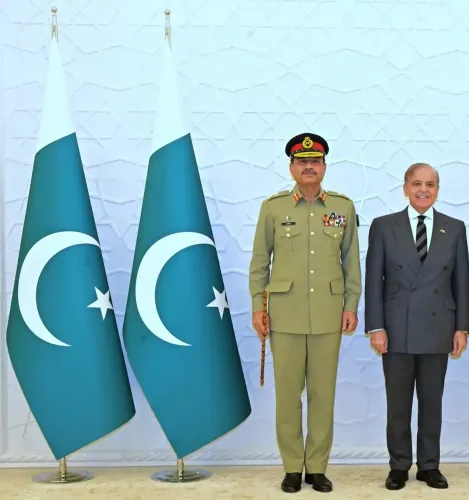
Athens, Feb 13 (NationPress) Pakistan's choice to join the International Stabilization Force (ISF) for Gaza has led to a diplomatic crisis in Islamabad, raising doubts among radical Islamist groups such as Hamas. Pakistan argues that its involvement in the ISF reflects its commitment to supporting Palestinian welfare. However, this decision has ignited domestic opposition and cast shadows on Islamabad's credibility as a proponent of the Islamic cause, according to reports.
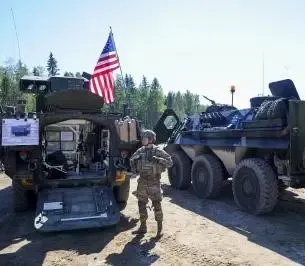
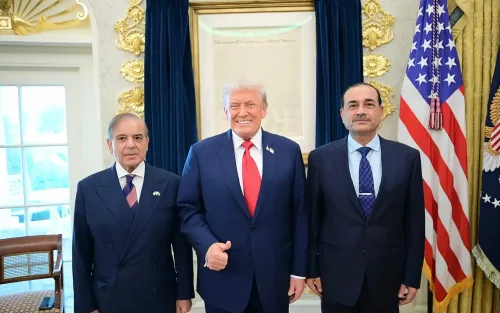
The ISF plays a pivotal role in US President Donald Trump’s 20-point peace initiative for Gaza, which facilitated a ceasefire between Israel and Hamas in October last year. In November, the United Nations Security Council (UNSC) passed Resolution 2803, empowering the ISF to aid transitional governance, ensure security, and oversee demilitarization. Pakistan supported this resolution and is reportedly prepared to deploy around 3,500 soldiers, as acknowledged by US Secretary of State Marco Rubio.
Despite the UNSC resolution, many operational aspects, including legal authority, command structure, funding, duration, and ISF's function in disarming Hamas, remain unclear. Pakistan's UN envoy Asim Iftikhar Ahmed pointed out that the resolution lacked critical elements, such as a clear pathway to Palestinian statehood and mandate specifics. While the US plan includes disarming Palestinian factions, Pakistan has made it clear that it will not engage in missions aimed at disarming Hamas.
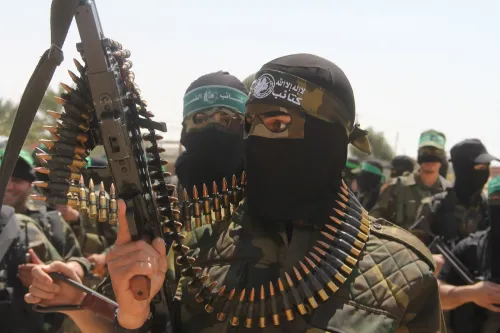
Hamas has expressed skepticism, outright rejecting the resolution, viewing any international force concerned with disarmament as a participant in the conflict rather than a neutral stabilizing influence. Although Hamas appears cautious about Pakistan's assurances, there are signs of tentative acceptance of the notion that the Board of Peace (BOP) operates alongside UNSC frameworks. Nevertheless, Hamas continues to observe the situation closely, as reported by Directus.
Pakistan has encountered numerous challenges following its involvement with the BOP and ISF. Critics have noted Pakistan's tendency to yield to international pressure during economic hardships. The nation's economy is heavily dependent on external financial aid, including loans from the International Monetary Fund (IMF) and support from Gulf states, which may compel Islamabad to comply with ISF mandates, including the disarmament of Hamas, as per the Directus report.
In the meantime, Israeli officials have dismissed Pakistan's participation in Gaza, citing concerns about intelligence sharing and the absence of diplomatic relations. There are apprehensions regarding Pakistan's ties with Palestinian militant factions, calling into question its capacity to act as a neutral peacekeeper. Pakistan's decision to join ISF has drawn criticism from Islamist and opposition parties at home.
Islamic parties and opposition leaders have condemned this move as a capitulation to Western interests. Maulana Fazlur Rehman, leader of Jamiat Ulema-e-Islam, criticized how Pakistan could be part of a forum that includes Israeli Prime Minister Netanyahu, claiming it is self-deception considering the suffering in Gaza. Hafiz Naeemur Rehman, the chief of Jamaat-e-Islami, labeled Trump's Board of Peace as a new form of colonialism, denouncing the participation of Tony Blair. The party warned of global protests if the Board's actions adversely affect Gazans. Former Prime Minister Imran Khan stated that Pakistan is partaking in a plan to disarm Gaza's resistance.
Point of View
It's imperative to recognize that Pakistan's engagement with the ISF signals a complex intersection of international diplomacy and domestic sentiment. While the intention may be to support Palestinian interests, the backlash from local factions highlights the challenges Islamabad faces in balancing its diplomatic commitments with its domestic obligations.
NationPress
7 Oct 2026
Frequently Asked Questions
What is the International Stabilization Force (ISF)?
The ISF is an initiative aimed at stabilizing Gaza as part of a broader peace plan, involving various nations to assist in governance and security.
Why is Hamas skeptical about Pakistan's involvement with the ISF?
Hamas perceives any international force focused on disarmament as an active party in the conflict, not a neutral entity, leading to their skepticism.
What are the criticisms of Pakistan's decision to join the ISF?
Critics argue that Pakistan is capitulating to Western pressures and compromising its position as a supporter of Islamic causes, raising questions about its credibility.
How might Pakistan's economy influence its role in the ISF?
Pakistan's economic dependence on international aid could compel it to comply with ISF mandates, including disarmament measures.
What are the implications of this decision for Pakistan's domestic politics?
This move may lead to increased criticism and opposition from Islamist parties and groups within Pakistan, potentially destabilizing the domestic political landscape.