How is Pakistan's press freedom crisis escalating with Ducky Bhai's allegations?
Synopsis
The press freedom crisis in Pakistan is intensifying as Ducky Bhai, a prominent YouTuber, claims he faced abuse and coercion while detained by the NCCIA. This alarming situation underscores the risks faced by digital creators in a country where press freedom is increasingly under threat. Discover the chilling details and implications for the media landscape.
Key Takeaways
Ducky Bhai alleges abuse and coercion during NCCIA custody.
The situation underscores the vulnerability of digital creators.
Pakistan's media faces increasing threats and censorship.
The amendments to PECA have worsened conditions for journalists.
Women journalists face unique challenges and harassment.
Kabul, Dec 14 (NationPress) The situation regarding press freedom in Pakistan has escalated as YouTuber Saadur Rehman, known as Ducky Bhai, has accused the National Cyber Crime Investigation Agency (NCCIA) of subjecting him to physical and verbal abuse during his detention. In a video shared on his YouTube channel, he disclosed that he was beaten, verbally mistreated, and pressured to transfer cryptocurrency assets into the private accounts of agency officials, according to reports.
A report from Afghanistan's prominent news outlet Khaama Press stated, "The crisis in Pakistan’s press freedom has intensified as YouTuber Ducky Bhai accused the NCCIA of torture and coercion while in custody, emphasizing the escalating threats faced by digital creators. On December 8, it was reported by Dawn about the troubling situation involving Saadur Rehman, who was arrested in August 2025 at Lahore Airport for allegedly promoting online gambling applications. Though he was granted bail by the Lahore High Court, he continued to be held in custody."
In his video, he recounted being abused physically and verbally, and being forced to transfer cryptocurrency assets to officials’ personal accounts. His experience highlights the precarious position of digital creators, who are increasingly targeted alongside traditional journalists in Pakistan's hostile media landscape. This situation reflects a broader crisis, as Pakistan has historically been a dangerous environment for journalists, where freedom of expression is often an unattainable aspiration. The country's media sector, once rich and varied, is now confronted with a severe threat amid a backdrop of fear, intimidation, and unchecked state control.
The Annual Impunity Report 2025, compiled by Freedom Network with the assistance of International Media Support (IMS), has documented a surge in assaults and violations against journalists under the administration of Prime Minister Shehbaz Sharif.
At least 142 incidents of journalist violations were noted in Pakistan, with Punjab and Islamabad identified as the most perilous regions, reporting the majority of these cases.
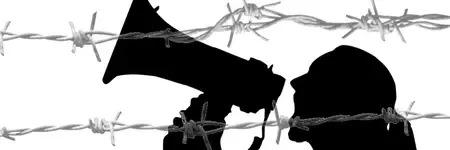
Journalists and bloggers in Pakistan routinely face harassment, abduction, and violence simply for carrying out their duties.
During the timeframe addressed in Freedom Network's Freedom of Expression and Media Freedom Report 2025, five journalists were murdered, and at least 82 others encountered threats, including intimidation and physical attacks.
The Freedom Network's 2025 report, titled Free Speech and Public Interest Journalism Under Siege, characterized the amendments to the Prevention of Electronic Crimes Act (PECA) in January as a pivotal moment in Pakistan's media crisis.
According to the report, these changes have facilitated easier arrests and fines for journalists.
The Annual Impunity Report also revealed 36 formal legal cases against 30 journalists under PECA and the Pakistan Penal Code (PPC).
Such prosecutions illustrate the state's growing reliance on legal mechanisms to stifle dissent, in addition to employing intimidation and violence.
In a report by Khaama Press, Vaishali Basu Sharma highlighted, "On September 26, the Institute for Research, Advocacy and Development (IRADA) released its findings on modernizing legal frameworks governing freedom of expression, media, and digital citizenship in Pakistan. Spanning from 2016 to 2024, the study underscores how restrictive laws like PECA and its recent amendments have hindered free expression. At the report's launch, panelists shared similar concerns. Sehrish Qureshi, a senior social media producer at Independent Urdu, expressed frustration over laws like PECA being wielded to silence journalists. Sadaf Khan, a journalist and digital rights advocate, raised alarms about heightened surveillance on ordinary citizens."
"Ammara Durrani, a policy advisor, cautioned that the very right to life is jeopardized owing to the crackdown on freedom of speech. The cumulative impacts of censorship, violence, and legal harassment have thrust Pakistan's media into turmoil. Journalists are enduring worsening safety, job instability, and threats to their professional integrity. Women in the media face distinct challenges, including harassment and exclusion. The political polarization has only intensified the hostile atmosphere, leaving scant room for independent voices," the author concluded.
Point of View
We stand firmly for the principles of freedom of the press and the protection of journalists. The alarming allegations made by Ducky Bhai must be taken seriously, as they reflect a broader crisis that jeopardizes the fabric of independent journalism in Pakistan. It is imperative that we advocate for systemic changes to ensure a safe and conducive environment for all media practitioners.
NationPress
4 Oct 2026
Frequently Asked Questions
What are the allegations made by Ducky Bhai?
Ducky Bhai alleges that he was subjected to physical and verbal abuse while in custody of the NCCIA, including coercion to transfer cryptocurrency assets to officials' personal accounts.
What is the current situation for journalists in Pakistan?
Journalists in Pakistan face increasing threats, including harassment, violence, and legal actions aimed at suppressing dissent and curtailing freedom of expression.
What actions have been taken in response to these issues?
Reports highlight a surge in assaults against journalists and the introduction of restrictive laws like PECA, which have made it easier for authorities to pursue legal actions against media professionals.
How does this affect freedom of expression in the country?
The ongoing crackdown on journalists and the media creates an environment of fear, limiting the ability of independent voices to share information and hold power accountable.
What can be done to improve the situation?
Advocacy for legal reforms, heightened awareness of press freedoms, and international support for journalists are crucial steps needed to restore safety and integrity in the media landscape.