Is Pakistan's Illusion of Strength Deceptive?
Synopsis
Explore how Pakistan's narrative of economic resilience and military strength is a facade masking fragility. This analysis delves into the realities behind its dependency on international assistance, the arms trade, and the stark contrast between military prowess and civilian struggles. Discover the truth about Pakistan's quest for respect and power amid deep-rooted vulnerabilities.
Key Takeaways
Pakistan's economy is heavily reliant on IMF support.
The military plays a dominant role in the nation's economic landscape.
Defense exports serve as a facade for deeper economic vulnerabilities.
Rhetoric often overshadows the reality of poverty and hardship.
Pakistan's narrative is more about perception than facts.
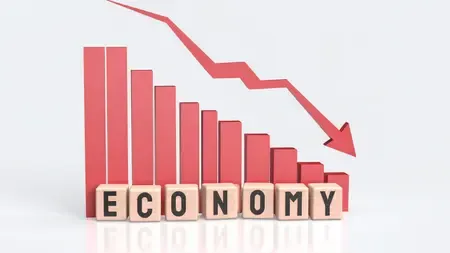
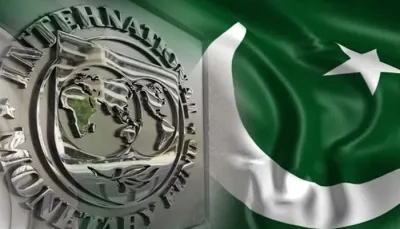
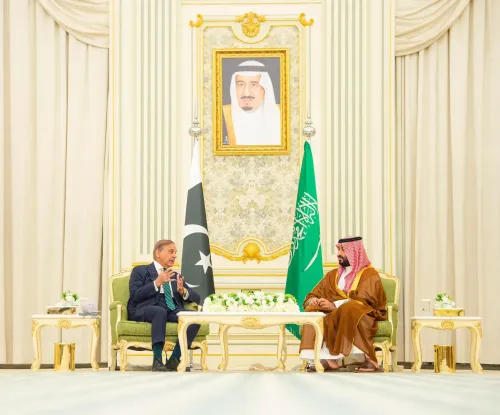
Islamabad: Pakistan is a nation characterized by a fragile economy heavily reliant on International Monetary Fund (IMF) assistance. It endures through continuous bailouts, urgent loans, and economic support from allied countries. Saudi Arabia has repeatedly intervened to sustain Islamabad. Meanwhile, China has long been touted as Pakistan’s "all-weather friend" and economic pillar, although many now view this relationship more as a debt trap than a partnership. Yet, despite this substantial reliance, Pakistan strives to convey a contrasting narrative.
Pakistan aims to project itself as economically robust, militarily assertive, and financially self-sufficient. What is currently being undertaken is not genuine economic reform, but rather a facade. It endeavors to showcase to the global community that it is engaging in defense agreements, selling aircraft, and exporting arms, attempting to assert that its economy is stable and its future secure. However, this portrayal is merely an illusion. The strength being exhibited is theatrical. The underlying frailty is obscured by uniforms, fighter jets, and grand proclamations. Pakistan is not remedying its economic issues; it is merely masking its vulnerabilities with military displays.
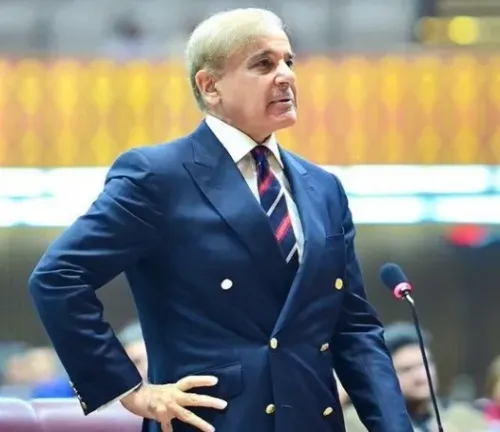
The more Pakistan emphasizes its defense exports, the less it addresses its actual economic challenges. Issues like inflation, unemployment, energy crises, and debt plague the lives of everyday citizens, yet these topics vanish from formal speeches. Instead, the focus is predominantly on fighter jets and arms contracts. When Pakistani leaders assert that arms exports could replace IMF aid, it sounds motivating. Yet, motivation does not settle debts. Billions in defense contracts cannot salvage an economy that suffers heavily each year due to mismanagement and corruption.
Such declarations are not financial plans; they are emotional diversions. For a struggling populace, this narrative is compelling. It conveys a message: we are not weak, we are esteemed, and the world is purchasing from us. It employs national pride as a form of economic pain relief. The hardships are tangible, but the narrative dulls the pain. The arms industry is showcased, not for saving Pakistan, but because it remains one of the few areas where competence can still be claimed. Consequently, it is inflated, glorified, and presented as evidence of national resurgence.
The JF-17 fighter jet has emerged as the emblem of Pakistan’s so-called progress. It is incessantly labeled as "combat-proven" and "battle-tested," particularly concerning India. However, the aircraft itself is quite ordinary. It is affordable, basic, and politically useful. Its significance lies in its availability, not in its superiority. Nonetheless, Pakistan markets it as a technological marvel. Conflict serves as validation. War transforms into advertisement. The underlying message is clear: we engage in combat, hence we are strong. This reasoning is both perilous and misleading. It converts instability into pride and conflict into marketing. It overlooks the jet’s limitations, historical safety concerns, and modest capabilities. In Pakistan’s narrative, perception trumps reality. The jet transcends being just an aircraft; it becomes a narrative instrument. It allows Pakistan to proclaim: We are not merely borrowers. We are sellers. We are not desperate. We are capable. The irony is that this confidence primarily exists in speeches.
Examine where Pakistan is exporting its weaponry. Libya. Sudan. Areas ravaged by civil conflict and instability. These are not thriving markets but rather survival markets. Pakistan is not selling to strong economies; it is trading with broken states. This unveils the true nature of its defense trade. It is not indicative of global trust but rather a reflection of opportunism amid chaos. Pakistan is positioning itself as a supplier to conflict, not stability. Furthermore, there is Bangladesh. Any military collaboration here is rooted more in politics than commerce. It is strategically aimed at India, intending to disrupt regional dynamics and reopen historical wounds. Even a minor deal carries significant symbolic weight. Against India, Pakistan’s defense exports morph into a narrative weapon. Not a military one, but a psychological one. They intend to convey: we still matter, we still provoke, we still influence the region. The issue is that symbolism is taking precedence over substance.
In Pakistan, there exists only one institution that genuinely flourishes: the military. It stands as the most robust, affluent, and powerful entity in the nation. Defense exports do not benefit the populace; they reinforce the military’s control over the economy and politics. Industries, real estate, business empires, and now arms exports all operate under the military’s shadow. The army thrives while civilians endure hardship. Soldiers receive accolades while workers struggle for sustenance. Jets are paraded while hospitals deteriorate. This scenario does not reflect national advancement; it signifies institutional enrichment. The narrative surrounding Pakistan’s arms exports is less about economic autonomy and more about military dominance over the national discourse. The nation’s future is being framed through the lens of weaponry, not welfare.
Pakistan seeks to project an image of power. It desires to be feared, respected, and acknowledged. However, power devoid of stability is merely performance. Selling arms while pleading for financial aid is a contradiction masquerading as confidence. The IMF sustains Pakistan. Saudi Arabia maintains its solvency. China keeps it buoyant. And the military ensures its loud presence. This is not sovereignty; it is dependency cloaked in superior marketing. The world is not witnessing Pakistan’s economic renaissance; it is observing a rhetorical survival strategy. When reform proves too challenging, image becomes the substitute. When prosperity is unattainable, pride becomes the alternative. Pakistan is not exporting recovery; it is exporting reassurance.
Pakistan has always showcased itself as strong, disciplined, and unbreakable. Yet, behind this facade, its citizens grapple with poverty, inflation, and despair. The economy remains injured and dependent, while only the military grows wealthier and more influential. Fighter jets ascend into the skies, but ordinary Pakistanis remain ensnared in hardship. The nation may appear formidable from the outside, but within, its strength is uneven, fragile, and painfully selective.
Point of View
It is crucial to recognize the complexities within Pakistan's narrative. While the military's strength and arms exports are emphasized, the struggles faced by the civilian population cannot be overlooked. The government must prioritize genuine economic reforms over mere rhetoric to foster stability and prosperity for all.
NationPress
30 Sept 2026
Frequently Asked Questions
What is the current state of Pakistan's economy?
Pakistan's economy is fragile and reliant on IMF funding, facing challenges like inflation and unemployment.
How does Pakistan's military influence its economy?
The military holds significant power and wealth, overshadowing civilian struggles and dominating the narrative.
What role do defense exports play in Pakistan's economy?
Defense exports are presented as a sign of strength, but they primarily serve as a distraction from deeper economic issues.
Is Pakistan's relationship with China beneficial?
Many view Pakistan's relationship with China as a debt trap rather than a mutually beneficial partnership.
What are the implications of Pakistan's arms trade?
Pakistan's arms trade often targets unstable regions, reflecting opportunism rather than global trust.