Pakistan's governance system has collapsed, says Interior Minister Naqvi

Synopsis
Pakistan's own Interior Minister has declared the country's governance system 'collapsed' — not an opposition taunt but a frank admission from within the ruling establishment. With wheat imports despite agricultural capacity, unpaid budget allowances, and transgender communities protesting on the streets of Karachi, Naqvi's words at the Pakistan Economic Summit capture the breadth of a crisis that is simultaneously structural, economic, and social.
Key Takeaways
Interior Minister Mohsin Naqvi declared Pakistan's governance system 'collapsed' at the Pakistan Economic Summit on 31 July .
Naqvi proposed cross-party talks, creation of new provinces , and sweeping administrative reforms.
He said the 'failed system' had persisted for 70 years and cited wheat imports as evidence of systemic breakdown.
Members of the transgender community protested outside Karachi Press Club against fuel price hikes and rising inflation.
AGEGA Punjab alleged that government employees have not received the 30 per cent disparity allowance announced in Federal Budget 2025-26 .
Punjab's amendments to leave encashment rules have reportedly reduced pension and retirement benefits for serving and retired employees.
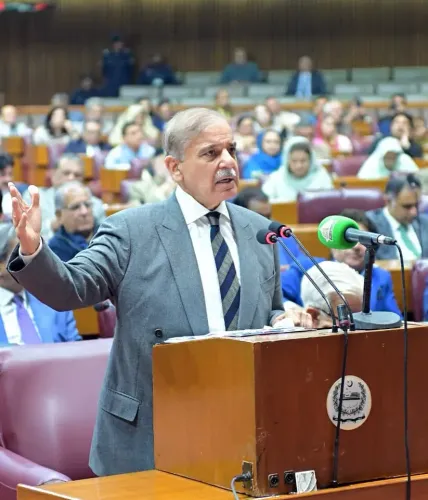
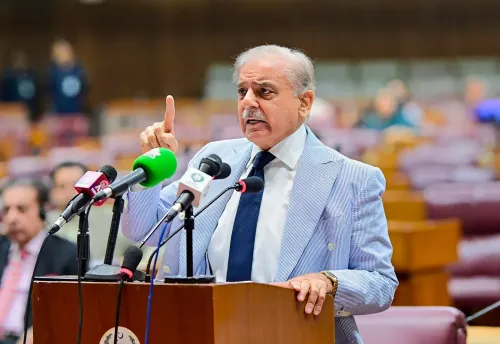
Pakistan's Interior Minister Mohsin Naqvi declared on Friday, 31 July that the country's current governance system has collapsed and is incapable of resolving the deep-rooted challenges facing the nation. Speaking at the Pakistan Economic Summit in Islamabad, Naqvi called for urgent cross-party dialogue to overhaul the system, proposing the creation of new provinces and sweeping administrative reforms.
What Naqvi Said
'The system we are living under has collapsed. Problems cannot be solved through it,' Naqvi was quoted as saying by leading Pakistani daily Dawn. He warned that Pakistan would continue debating the same issues even a decade from now if structural changes were not made, stressing that a full reset was essential.
Naqvi described the 'failed system' as one that had persisted for 70 years, citing a stark example: despite being an agricultural nation, Pakistan has been importing wheat — a symbol, he argued, of systemic dysfunction rather than a policy failure in isolation.
The Backdrop: Inflation and Public Unrest
Naqvi's remarks come amid mounting public anger over a surging cost of living, driven by persistent inflation and steep hikes in fuel prices. On Wednesday, members of the transgender community staged a protest outside the Karachi Press Club, carrying placards and raising slogans against the government of Prime Minister Shehbaz Sharif. They demanded a rollback of fuel price increases and urged authorities to make essential commodities affordable.
Gender Interactive Alliance spokesperson Zehrish Somroo, addressing the protesters, said that inflation was steadily eroding the livelihoods of community members, many of whom depend on charity and donations for survival. The spokesperson called on the government to ensure employment, education, and equal opportunities for the transgender community.
Government Employees Also Under Pressure
The discontent extends to the public sector workforce. Last month, leaders of the All Government Employees Grand Alliance (AGEGA) Punjab stated in a joint statement that rising inflation had significantly reduced the purchasing power of government employees, making it increasingly difficult to manage household expenses on fixed incomes.
AGEGA further alleged that provincial government employees — particularly in Punjab and other provinces — had not yet received the 30 per cent disparity allowance announced in the Federal Budget 2025-26, according to The Express Tribune. The alliance also flagged that recent amendments to leave encashment rules had deprived employees of substantial retirement benefits, with reductions reportedly affecting pension, gratuity, and leave encashment entitlements for both serving and retired staff.
What Comes Next
Naqvi's call for political talks on governance reform is likely to intensify debate within Pakistan's already fractured political landscape. Whether the ruling coalition can build consensus on structural changes — including the contentious proposal to carve out new provinces — remains uncertain. With inflation showing no immediate signs of easing, pressure on the Sharif government is expected to grow in the weeks ahead.
Point of View
Politically explosive idea that has stalled in Pakistan for decades. If the admission of failure is not matched by a credible reform roadmap, it risks becoming another headline that normalises dysfunction rather than challenging it.
NationPress
14 Sept 2026
Frequently Asked Questions
What did Pakistan's Interior Minister Mohsin Naqvi say about the governance system?
Naqvi said Pakistan's current governance system has collapsed and is incapable of resolving the country's problems. Speaking at the Pakistan Economic Summit on 31 July, he called for cross-party talks to introduce structural reforms, including the creation of new provinces and administrative overhaul.
Why is Pakistan facing public protests in 2025?
Protests have erupted across Pakistan due to surging inflation and sharp hikes in fuel prices, which have eroded the purchasing power of ordinary citizens. Members of the transgender community demonstrated outside the Karachi Press Club, while government employee unions have flagged unpaid allowances and reduced retirement benefits.
What is the AGEGA Punjab disparity allowance dispute?
The All Government Employees Grand Alliance (AGEGA) Punjab has alleged that provincial government employees have not received the 30 per cent disparity allowance announced in the Federal Budget 2025-26. The alliance also claims that amendments to leave encashment rules have reduced pension and gratuity benefits for serving and retired employees.
What reforms did Naqvi propose at the Pakistan Economic Summit?
Naqvi proposed dialogue among political parties to overhaul the governance structure, suggested the creation of new provinces, and called for broad administrative reforms. He argued that without a systemic reset, Pakistan would face the same unresolved issues for another decade.
How long has Pakistan's 'failed system' been in place, according to Naqvi?
Naqvi said the failed system had been in place for 70 years, pointing to structural failures such as Pakistan importing wheat despite being an agricultural country as evidence of long-standing dysfunction.