Pakistan's Fight Against TB Falls Short as Cases Surge: Investigative Report
Synopsis
Despite the alarming rise in Tuberculosis cases in Pakistan, the government's response remains inadequate. With thousands of new infections and casualties daily, urgent action is needed to address this public health crisis. Discover insights from international health organizations and the necessary steps for improvement.
Key Takeaways
1,800 new TB cases are reported daily in Pakistan.
Approximately 140 TB-related deaths occur each day.
Pakistan accounts for 73% of the TB burden in the Eastern Mediterranean region.
Political will and increased funding are essential to combat TB.
Awareness campaigns are necessary to reduce stigma around TB treatment.
Islamabad, April 9 (NationPress) Tuberculosis (TB) continues to be one of the most lethal diseases in Pakistan, claiming tens of thousands of lives annually. Reports indicate that over 1,800 new TB cases emerge daily, with around 140 fatalities each day, highlighting the inadequacy of Pakistan's current response to the epidemic.
The statistics disclosed on World Tuberculosis Day by the World Health Organization (WHO) should serve as a critical alarm for the nation. The extent of the crisis is staggering, with more than 669,000 individuals contracting TB each year and approximately 51,000 deaths recorded.
Pakistan bears 73 percent of the TB burden in the Eastern Mediterranean region, ranking fifth globally, showcasing a persistent failure to tackle this public health crisis, as noted in an editorial in Pakistan's Business Recorder.
“This year’s theme, 'Yes, We Can End TB — Powered by People', brings a sense of hope and possibility. Yet, the reality on the ground suggests a disheartening gap between our aspirations and actual outcomes. With over 1,800 new cases diagnosed daily and around 140 deaths, it is evident that our response is lacking,” the editorial stated.
“The remark from the WHO Country Representative, indicating that one person dies every 10 minutes in Pakistan, emphasizes the urgent need for decisive action. Moreover, the fact that these deaths could be prevented should incite both outrage and accountability,” it further asserted.
A combination of severe underfunding, a fragile health infrastructure, and a shortage of essential medicines has significantly hampered TB control measures. These issues, though not new, reflect Pakistan's longstanding indifference towards the public health sector. Infectious diseases like TB disproportionately affect vulnerable populations, and the lack of equal access to timely diagnosis and treatment exacerbates social and economic disparities.
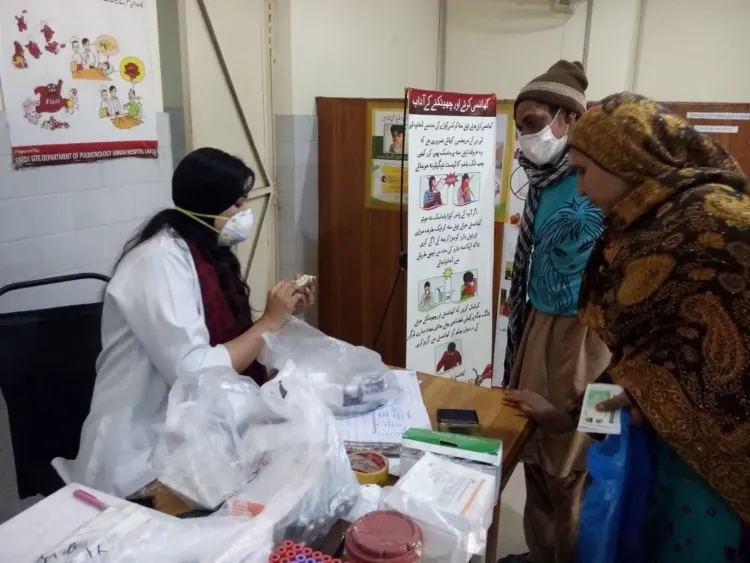
To effectively eliminate TB, Pakistan must demonstrate political commitment, increase financial resources, and establish a robust healthcare delivery system that reaches even the most isolated communities. Prioritizing early detection, medical supplies, and patient support systems is crucial. Additionally, launching awareness campaigns is vital to combat the stigma that frequently discourages individuals from seeking treatment for TB.
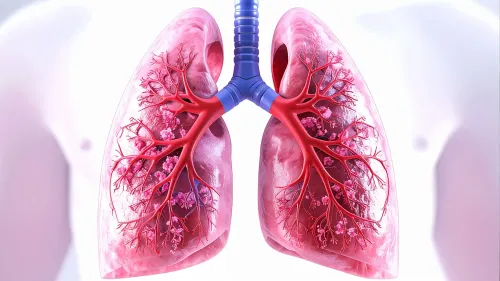
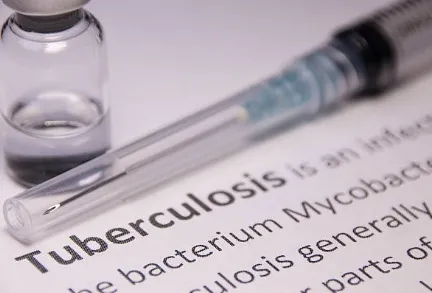
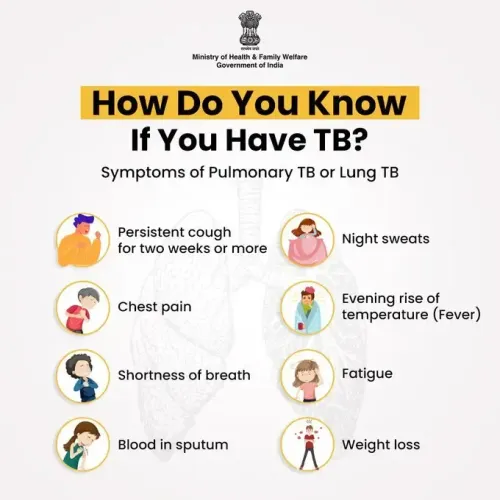
TB is an infectious disease caused by bacteria that primarily impact the lungs. It is transmitted through the air when individuals with TB cough, sneeze, or spit. The WHO states that TB is both preventable and curable. Typically, TB is treated with antibiotics, but it can be fatal without proper medical intervention.
Point of View
Highlighting the gap between aspirations and reality, and the moral obligation to protect vulnerable populations.
NationPress
15 Oct 2026
Frequently Asked Questions
What is Tuberculosis?
Tuberculosis (TB) is an infectious disease caused by bacteria that primarily affects the lungs, spreading through the air when an infected person coughs, sneezes, or spits.
How many TB cases are reported in Pakistan daily?
Currently, more than 1,800 new TB cases are reported every day in Pakistan.
What is the mortality rate of TB in Pakistan?
Approximately 140 deaths occur daily due to TB in Pakistan.
What are the main challenges in TB control in Pakistan?
Key challenges include severe underfunding, weak health infrastructure, and shortages of essential medicines.