Are Tuberculosis Cases Rising in Balochistan's Prisons?
Synopsis
The surge of tuberculosis cases in Balochistan's prisons has raised alarms among health officials. With 16,000 to 18,000 cases reported this year, the local health department is under scrutiny for its management and response to this serious health crisis. What measures are being taken to combat this growing epidemic?
Key Takeaways
Tuberculosis cases in Balochistan's prisons are alarmingly high.
A coordinated health screening initiative is underway.
Financial mismanagement within the health department has been exposed.
Immediate action is required to address public health concerns.
Accountability measures are being called for by the PAC.
Quetta, Dec 10 (NationPress) The incidence of Tuberculosis (TB) is significantly increasing in Balochistan, especially within its correctional facilities, with an estimated 16,000 to 18,000 cases reported this year, according to local media on Wednesday.
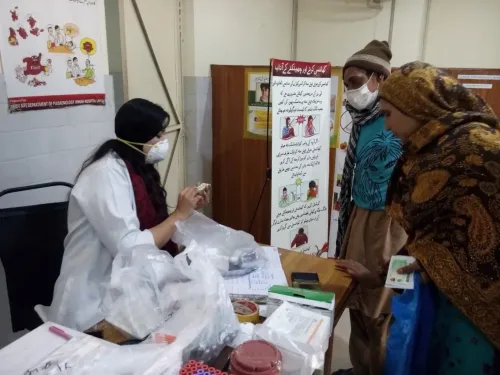
The Provincial Manager of the TB Control Programme in Balochistan, Sher Afghan Raisani, disclosed these alarming statistics during a press briefing. He noted that health assessments for both communicable and non-communicable diseases were conducted among 3,000 inmates across 12 prisons in the region, as reported by Pakistan's renowned newspaper, Dawn.
Raisani mentioned that the reported TB cases in Balochistan have surged in 2025. The Department of Health, in collaboration with the TB Control Programme, the Department of Prisons, and DoPasi Foundation, has launched a comprehensive health screening initiative targeting 12 prisons in the province.
In a related development, the Public Accounts Committee (PAC) of the Balochistan Assembly criticized the provincial Health Department for its ongoing neglect of directives regarding serious financial discrepancies, unlawful purchases, and the absence of necessary medical supplies at the Sandeman Provincial Hospital in Quetta.
The committee, led by PAC Chairman Asghar Ali Tareen, reviewed a special audit of the hospital alongside several audit issues related to the Health Department, as reported by Dawn.
Noteworthy findings included the illegal procurement of medicines amounting to PKR 30.02 million, missing drugs valued at PKR 22.83 million, and overpriced oxygen cylinders that incurred a loss of PKR 1.34 million.
The audit indicated that the officials had failed to maintain stock registers and inspection reports. The Health Department claimed that the company Health Tech Quetta was an authorized distributor for Frontier Dactrol Ltd, but the committee deemed their explanation insufficient.
PAC Chairman Tareen remarked, "Despite the PAC's directives issued eight months ago, there has been no progress." He added that responsible officials must be identified, and if orders are neglected, a formal complaint should be lodged.
Noorzai emphasized that violations of the Balochistan Public Procurement Rules had occurred and expressed dissatisfaction over the lack of advancements after eight months. The committee mandated a price comparison among the involved companies, warning of strict measures should any discrepancies arise.
Point of View
The rising TB cases in Balochistan underscore a pressing public health crisis that requires immediate attention and action from authorities. The lack of effective management and oversight raises concerns about the health infrastructure, particularly within correctional facilities. It is imperative for the government to prioritize health initiatives and ensure accountability within health departments.
NationPress
2 Oct 2026
Frequently Asked Questions
What is the current TB situation in Balochistan?
Balochistan is experiencing a significant increase in tuberculosis cases, particularly in prisons, with reports indicating between 16,000 to 18,000 cases this year.
What measures are being taken to address the TB outbreak?
The Balochistan Health Department, along with the TB Control Programme and other organizations, has initiated a health screening program in 12 prisons to monitor and treat TB cases.
What are the main findings of the recent audit of the health department?
The audit revealed serious financial irregularities, including illegal medicine purchases and missing medical supplies, highlighting the need for improved accountability.
Who is responsible for the rising TB cases in prisons?
Various agencies, including the provincial Health Department and prison officials, share responsibility for addressing the health crisis and ensuring proper medical care.
What actions has the Public Accounts Committee taken?
The PAC has criticized the health department for inaction and called for accountability among responsible officials, emphasizing the need for immediate corrective actions.