Pakistan under triple pressure: Military grip tightens as KP emergency, terror and IMF concerns mount
Synopsis
Pakistan’s military-backed government has imposed Governor’s rule in Khyber Pakhtunkhwa, jailed PTI’s chief minister, handed army chief Asim Munir sweeping new powers, and is managing the world’s worst terrorism toll — all while clinging to an IMF lifeline. The triple crisis is not just a domestic emergency; it carries real spillover risk for the region.
Key Takeaways
Pakistan’s federal government imposed emergency and Governor’s rule in Khyber Pakhtunkhwa , detaining Chief Minister Sohail Afridi and other PTI leaders.
PTI spokesperson Zulfikar Bukhari called the action a ‘coup disguised as emergency’ on X .
Army chief General Asim Munir has been appointed Chief of Defence Forces , gaining command over all three armed services and influence over nuclear structures, with tenure potentially until 2030 .
The Global Terrorism Index 2026 ranked Pakistan as the world’s most terrorism-affected country, with over 1,100 deaths in 2025 — the highest since 2013.
Fatalities rose 83 per cent quarter-on-quarter in Q3 2026 , concentrated in Khyber Pakhtunkhwa and Balochistan .
An IMF staff-level agreement in October 2026 cleared USD 1.2 billion in potential disbursements; growth is projected at 3.5–3.6 per cent , inflation at 9.9 per cent .
Pakistan is confronting a simultaneous convergence of political upheaval, deteriorating security, and fragile economic recovery, with a recent report warning that these intertwined pressures risk spilling beyond its borders. The military-backed federal government led by Prime Minister Shehbaz Sharif and President Asif Ali Zardari has imposed emergency and Governor's rule in Khyber Pakhtunkhwa (KP), effectively dismantling the Pakistan Tehreek-e-Insaf (PTI)-led provincial administration — a move analysts say marks a decisive consolidation of central and military authority.
KP Emergency and PTI Crackdown
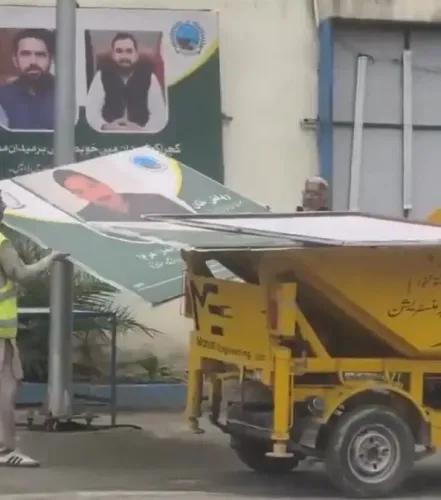
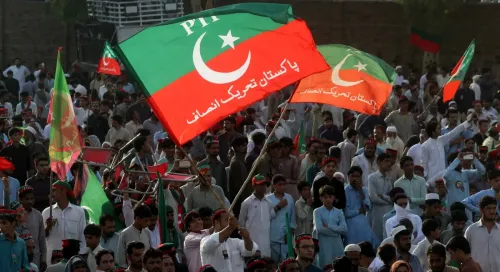
The federal government justified the imposition of Governor's rule in Khyber Pakhtunkhwa by accusing the provincial administration of failing to combat militancy. Critics, however, note that the action followed sustained PTI protests demanding the release of party founder and former Prime Minister Imran Khan. KP Chief Minister Sohail Afridi and several other senior PTI leaders have been detained.
PTI spokesperson Zulfikar Bukhari sharply condemned the move on X, writing: “Strongly condemn the arrest of the only mandated Chief Minister Sohail Afridi and of Junaid Akbar. This coup disguised as emergency or Governor rule has squashed the only little bit of democracy left in Pakistan. Further instability and collateral damage to follow. The regime must be feeling very proud.”
The action draws a clear pattern: KP, the province long governed by PTI, has now been brought under direct central control, bypassing an elected provincial mandate. Notably, this is not the first time Islamabad has moved against PTI-controlled governance structures, but it represents the most sweeping intervention to date.
Army Chief Asim Munir’s Expanded Powers
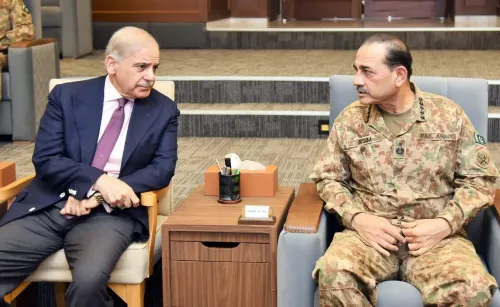
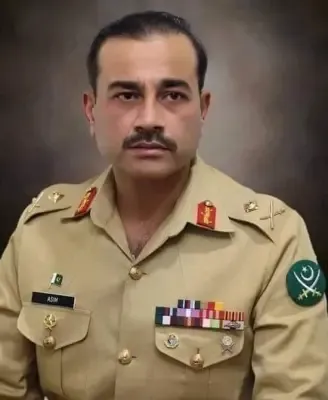
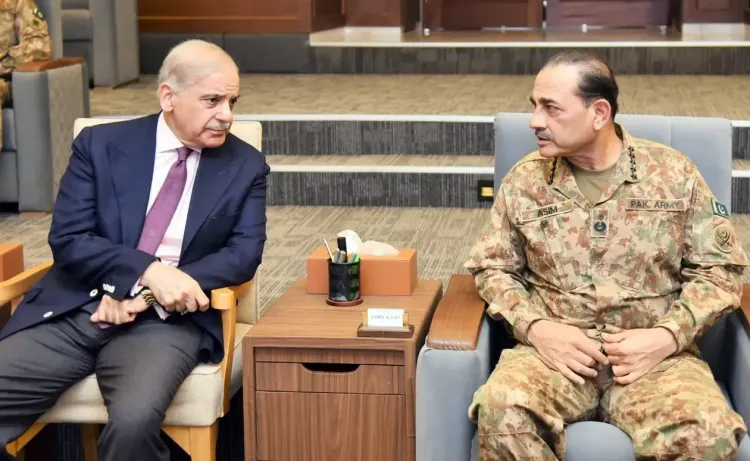
Running parallel to the political crackdown is a significant expansion of military authority at the top. Army chief General Asim Munir has been appointed Chief of Defence Forces while retaining his position as army chief — a newly created role that grants him operational command over the army, navy, and air force. According to reports, constitutional and statutory amendments have also given Munir greater influence over nuclear command structures, lifetime immunity from prosecution, and a tenure potentially extending into 2030.
Analysts describe this as effective military dominance achieved without a conventional coup — consolidating power through legal and institutional reengineering rather than a direct takeover.
Security Deterioration: Pakistan Tops Global Terrorism Index 2026
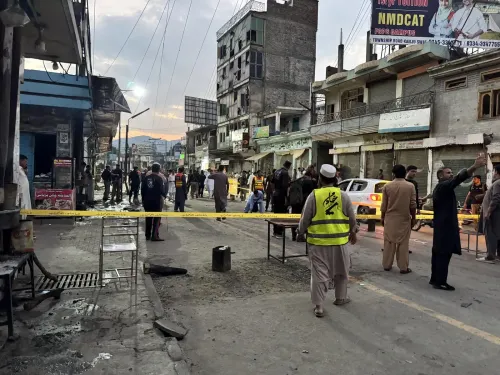
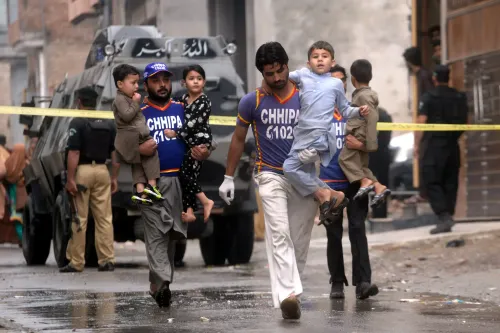
On the security front, the picture is alarming. The Global Terrorism Index 2026 ranked Pakistan as the world's most terrorism-affected country based on 2025 data, recording more than 1,000 incidents and over 1,100 deaths — the highest toll since 2013.
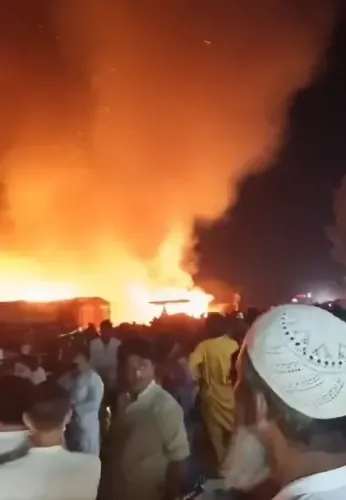
Violence has worsened further into 2026, with one research centre reporting an 83 per cent quarter-on-quarter rise in fatalities in the third quarter. The bulk of the violence is concentrated in Khyber Pakhtunkhwa and Balochistan, with the Tehreek-e-Taliban Pakistan (TTP) and Baloch separatist groups operating with what the report describes as relative freedom. Targets include police, security personnel, and civilians. In response, Pakistan has conducted airstrikes inside Afghanistan and ramped up border deployments.
Economy: IMF Lifeline, Fragile Recovery
Economically, Pakistan remains dependent on external support. A staff-level agreement in early October 2026 cleared the way for approximately USD 1.2 billion in further disbursements under the IMF Extended Fund Facility and Resilience and Sustainability Facility, contingent on board approval. Growth is projected at 3.5–3.6 per cent, with inflation near 9.9 per cent. Foreign reserves have recovered from earlier lows, and privatisation and fiscal measures are ongoing.
However, energy-price shocks, debt pressures, and weak private investment continue to constrain recovery. According to reports, macroeconomic stability remains fragile and is heavily conditional on sustained external support — a structural vulnerability that limits Islamabad’s policy room even as political and security crises mount.
Regional Spillover Risk
The convergence of these pressures has raised concern among regional observers. A politically destabilised KP, an emboldened TTP with cross-border reach, and an economy tethered to IMF conditionalities collectively narrow Islamabad’s options. Whether Pakistan’s civilian-military compact can navigate all three simultaneously — without triggering wider regional fallout — is the central question that analysts, and India’s strategic community, are now watching closely.
Point of View
But the timing — immediately following PTI protests for Imran Khan’s release — makes that justification difficult to accept at face value. What is happening is a systematic dismantling of the last elected PTI stronghold while simultaneously rewriting the rules to entrench military authority well past any electoral correction. The expansion of Asim Munir’s powers is particularly significant: it institutionalises what has always been an informal reality in Pakistan, but now with legal armour. For India, the more immediate concern is the terror data — a Pakistan simultaneously consumed by internal political warfare and facing a record terrorism toll is a Pakistan with diminished capacity and incentive to constrain TTP and other cross-border actors. That is a risk calculus that New Delhi cannot ignore.
NationPress
15 Oct 2026
Frequently Asked Questions
Why has Governor’s rule been imposed in Khyber Pakhtunkhwa?
Pakistan’s federal government imposed emergency and Governor’s rule in Khyber Pakhtunkhwa, citing the PTI-led provincial government’s alleged failure to combat militancy. However, the move followed PTI protests demanding the release of former Prime Minister Imran Khan, and resulted in the arrest of Chief Minister Sohail Afridi and other party leaders.
What new powers does Pakistan army chief Asim Munir now hold?
General Asim Munir has been appointed Chief of Defence Forces while remaining army chief, giving him operational command over Pakistan’s army, navy, and air force. Constitutional and statutory changes have also granted him greater influence over nuclear command structures, lifetime immunity, and a tenure potentially extending to 2030.
How bad is Pakistan’s terrorism situation in 2026?
The Global Terrorism Index 2026 ranked Pakistan as the world’s most terrorism-affected country based on 2025 data, recording over 1,000 incidents and more than 1,100 deaths — the highest toll since 2013. Fatalities rose a further 83 per cent quarter-on-quarter in Q3 2026, concentrated in Khyber Pakhtunkhwa and Balochistan.
What is Pakistan’s current economic situation?
Pakistan remains under an IMF Extended Fund Facility, with a staff-level agreement in early October 2026 clearing the path for approximately USD 1.2 billion in further disbursements pending board approval. Growth is projected at 3.5–3.6 per cent and inflation near 9.9 per cent, but macroeconomic stability is described as fragile and dependent on continued external support.
What is the regional spillover risk from Pakistan’s crises?
Analysts warn that the convergence of political instability, a record terrorism toll, and economic fragility narrows Pakistan’s policy options and raises the risk of cross-border consequences. TTP and Baloch separatist groups are reportedly operating with relative freedom, and Pakistan has already conducted airstrikes in Afghanistan in response to attacks.