Panama sends 18 tonnes of aid, rescue team to Venezuela after earthquakes
Synopsis
Panama has already flown 18 tonnes of emergency supplies to earthquake-hit Venezuela and is now readying a 60-strong rescue team with drones, thermal cameras, and CBRN-trained personnel — part of a sweeping international response to a disaster that has killed at least 920 people and injured over 3,360 along Venezuela's central coast.
Key Takeaways
Panama completed a first humanitarian flight carrying 18 tonnes of aid to Venezuela on Friday , confirmed by President Jose Raul Mulino in an X post.
A specialised rescue team of approximately 60 personnel and four trained dogs , equipped with drones and thermal-imaging gear, is being prepared for deployment.
The initial rescue operation is planned for seven days , with a possible extension and a second aircraft if needed.
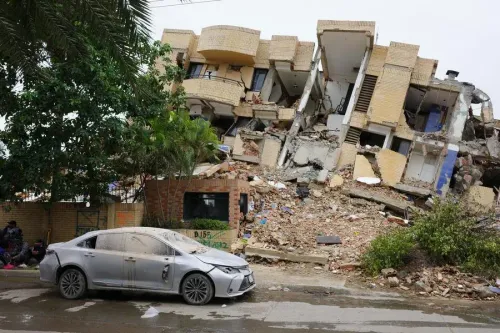
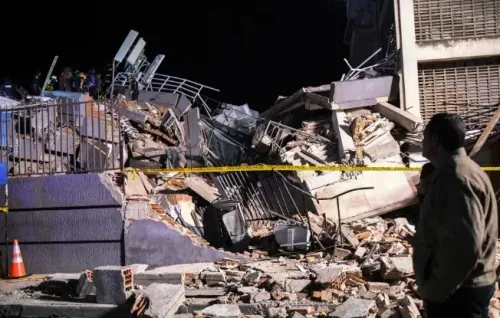
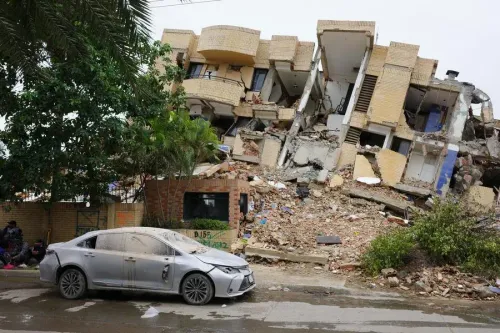
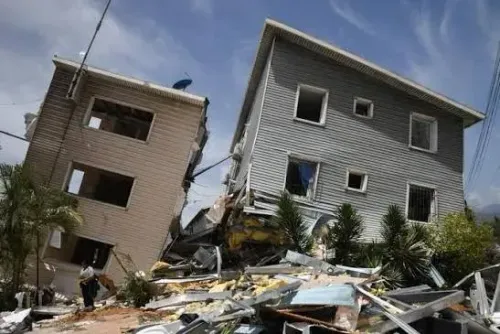
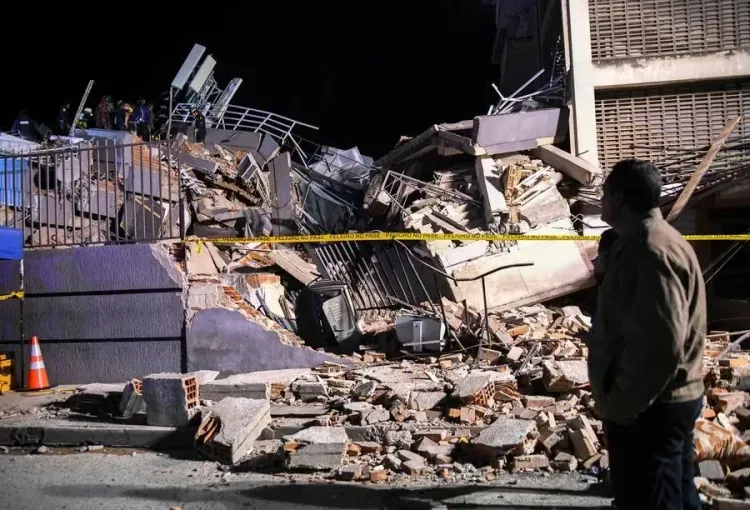
Wednesday's earthquakes killed at least 920 people and injured more than 3,360 , severely damaging infrastructure along Venezuela's central coast .
More than a dozen countries — including India , Colombia , Spain , Germany , and Qatar — plus the UN system have begun sending rescue teams and equipment.
Panama has completed its first humanitarian flight carrying 18 tonnes of emergency supplies to Venezuela and is preparing to deploy a specialised search and rescue team of approximately 60 personnel following devastating earthquakes that struck the South American country on Wednesday, killing at least 920 people and injuring more than 3,360.
Panama's Humanitarian Response
Panamanian President Jose Raul Mulino confirmed the first aid flight in a post on X on Friday (local time). 'Thanks to the Panamanian solidarity, donations are being collected, and a first flight with 18 tonnes of aid has been completed,' Mulino said. Requested supplies include nonperishable food, bottled water, personal hygiene items, basic medical supplies, flashlights, batteries, and other emergency essentials for affected families.
Specialised Search and Rescue Team Being Deployed
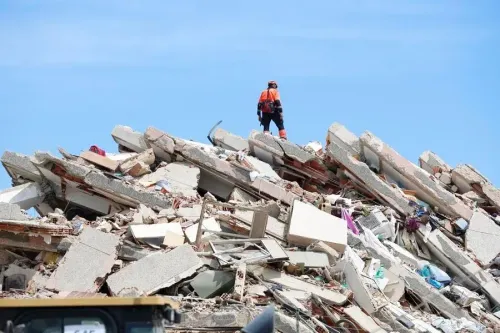
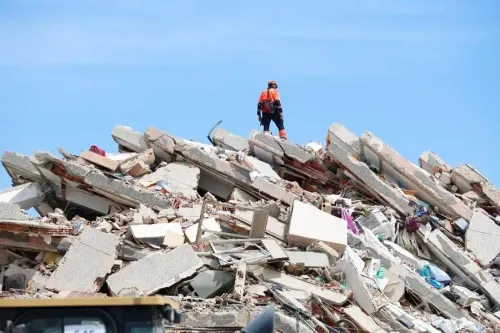
Panama's national civil protection system is preparing to dispatch a rescue contingent led by its director, Omar Smith. Smith said the team comprises around 60 specialised personnel and four trained search dogs. The contingent will be equipped with drones, thermal-imaging equipment, and personnel trained to handle chemical, biological, radiological, and nuclear scenarios. According to local media, the initial operation is planned for seven days, with the possibility of extension depending on conditions on the ground. A second aircraft carrying additional rescue personnel may be coordinated if the situation demands it.
International Aid Pouring Into Venezuela
Technical and humanitarian assistance from more than a dozen countries has begun arriving in Venezuela since Thursday to support victims and early recovery efforts. Nations including India, the Dominican Republic, El Salvador, Colombia, Mexico, Chile, Ecuador, Spain, Germany, Switzerland, and Qatar, as well as the UN system, have dispatched rescue teams and specialised equipment to the affected region.
Scale of the Disaster
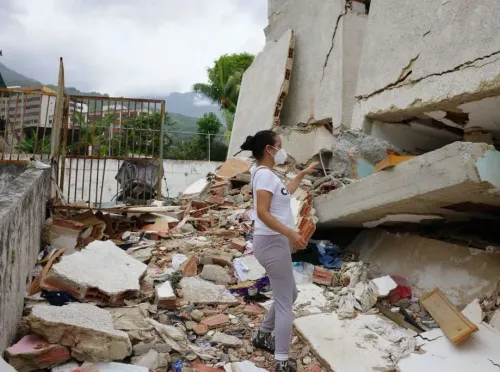
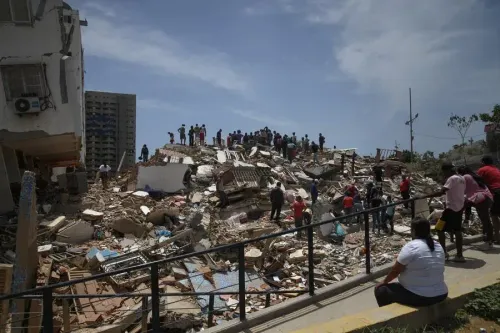
Wednesday's earthquakes inflicted severe damage along Venezuela's central coast, with the official toll standing at at least 920 dead and more than 3,360 injured as of the latest report. Infrastructure across the affected zone has been severely compromised, complicating rescue and relief operations. This is among the deadliest seismic events to strike Venezuela in recent decades, drawing one of the largest coordinated international responses the country has seen.
What Comes Next
With the search window typically narrowing sharply after the first 72 hours, the arrival of thermal-imaging drones and trained rescue dogs from Panama and other nations will be critical in the days ahead. Relief coordinators are expected to assess whether the operation needs to be scaled up beyond the initial seven-day window as the full extent of the damage becomes clearer.
Point of View
Venezuela's battered infrastructure risks becoming a bottleneck rather than a corridor for relief. The seven-day operational window is also tight given that the earthquakes struck a coastal zone where structural collapse and access constraints typically slow survivor location. Whether this multilateral surge translates into lives saved or logistical gridlock will depend on command-and-control clarity on the Venezuelan side — something that has historically been uneven.
NationPress
26 Sept 2026
Frequently Asked Questions
How much aid has Panama sent to Venezuela after the earthquake?
Panama completed a first flight carrying 18 tonnes of humanitarian aid to Venezuela, confirmed by President Jose Raul Mulino on Friday. Supplies include nonperishable food, bottled water, hygiene items, basic medical supplies, flashlights, and batteries.
How many people died in the Venezuela earthquake?
At least 920 people were killed and more than 3,360 were injured, according to the latest official figures. The earthquakes struck on Wednesday and caused severe damage to infrastructure along Venezuela's central coast.
What does Panama's rescue team consist of?
Panama's rescue team comprises approximately 60 specialised personnel and four trained search dogs, led by the national civil protection system. The contingent will be equipped with drones, thermal-imaging equipment, and personnel trained for chemical, biological, radiological, and nuclear scenarios.
Which countries are helping Venezuela after the earthquake?
More than a dozen countries have sent rescue teams and equipment, including India, the Dominican Republic, El Salvador, Colombia, Mexico, Chile, Ecuador, Spain, Germany, Switzerland, and Qatar. The UN system has also dispatched assistance.
How long will Panama's rescue operation in Venezuela last?
The initial operation is planned for seven days, according to local media reports, though it could be extended depending on conditions on the ground. A second aircraft with additional rescue personnel may be coordinated if necessary.